Biohacks and Better Habits Wellness Trivia



Quiz Complete!
Biohacks and Better Habits: What Works, What’s Hype, and Why It Feels Good
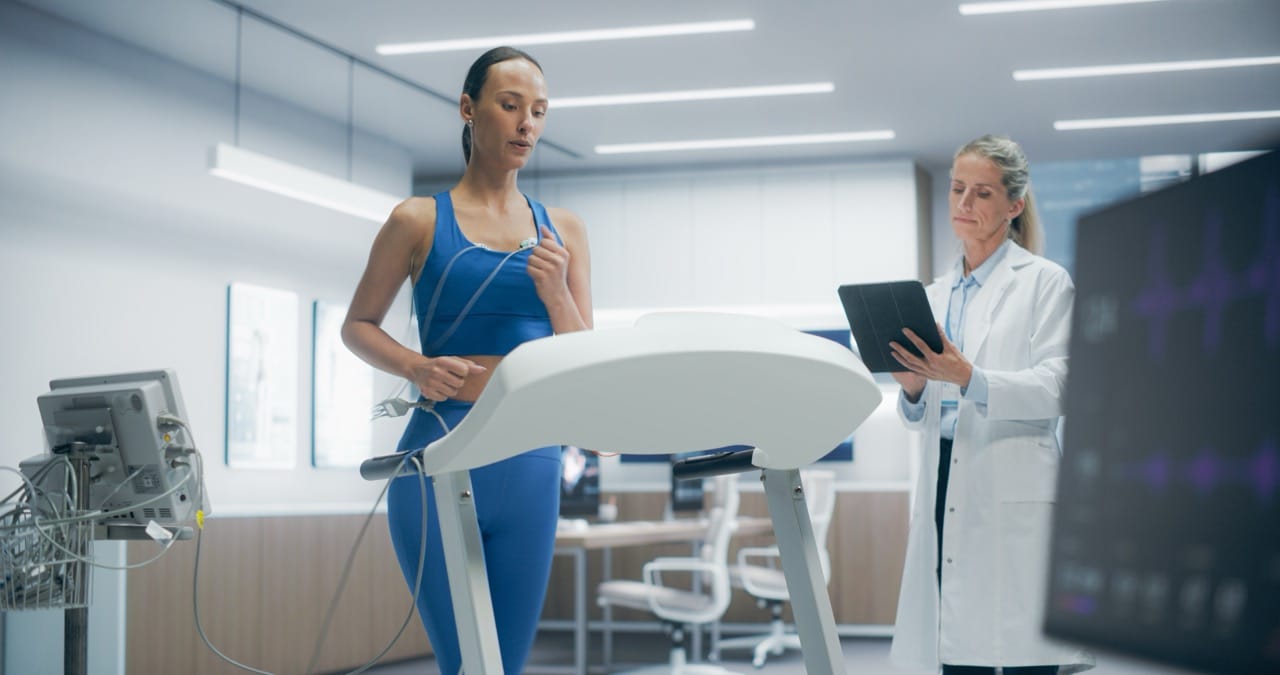
Wellness trends can look like a blur of rings, apps, powders, and protocols, but many popular biohacks are simply modern packaging for old ideas: sleep, movement, food, stress control, and recovery. What has changed is measurement. Wearables made heart rate, sleep timing, and daily activity visible, and that feedback loop can be powerful. A step count turns an abstract goal into a game. Resting heart rate and heart rate variability, often shortened to HRV, hint at how your body is balancing stress and recovery, though they are best used as personal baselines rather than absolute scores. HRV can dip after poor sleep, alcohol, illness, or heavy training, and rise when routines are steady. It is not a report card on character, just a signal that your nervous system is adapting.
Sleep science is another area where the basics beat the gimmicks. Most adults do best with a consistent schedule, enough total time, and a wind-down that reduces light and mental stimulation. Blue light from bright screens can delay melatonin in some people, but the bigger sleep thieves are often late caffeine, irregular bedtimes, and stress. A useful rule of thumb is to stop caffeine 8 to 10 hours before bed if you are sensitive. Morning light exposure, even on cloudy days, helps set circadian rhythms and can make it easier to fall asleep at night. Many devices estimate sleep stages, but they are imperfect; trends over weeks matter more than any one night’s graph.
Nutrition biohacks frequently revolve around blood sugar, fasting, and gut health. Continuous glucose monitors are valuable for people with diabetes and can be enlightening for others, but single spikes are not automatically harmful. Context matters: what you ate, how you slept, and whether you exercised. Time-restricted eating, such as keeping meals within an 8 to 12 hour window, can help some people reduce late-night snacking and improve consistency, but it is not magic and it is not ideal for everyone, including some athletes, people with a history of disordered eating, and those who are pregnant. The gut microbiome is real and influential, yet it is also highly individual. The most reliable microbiome-friendly habit is a diverse, fiber-rich diet with plenty of plants, plus fermented foods if you tolerate them. Probiotics can help specific issues, but many claims outpace evidence, and strains matter more than brand names.
Mindfulness has moved from monasteries to smartphones, and research suggests practices like meditation, breathwork, and cognitive reframing can reduce perceived stress and improve attention. The trick is consistency and realistic expectations. A few minutes of slow breathing can nudge the body toward a calmer state by engaging the parasympathetic nervous system. If a practice makes you more anxious, it is fine to switch approaches; wellness is not one-size-fits-all.
Recovery tools are another hotspot. Cold exposure can temporarily reduce soreness and feels invigorating, but frequent ice baths may blunt muscle-building adaptations if used immediately after strength training. Heat, such as sauna, can support relaxation and may have cardiovascular benefits when used regularly, though hydration and safety are key. Massage guns and compression gear can make you feel better and may improve short-term comfort, even if the long-term performance effects are modest.
A good way to separate evidence from hype is to ask three questions: Is the mechanism plausible? Is there human research, not just anecdotes? And is the benefit large enough to justify the cost and effort? The most effective biohack is still a well-designed habit: sleep you protect, food you can repeat, movement you enjoy, and a stress plan you actually use. The tech can help, but the real upgrade is learning what your data means and building routines you can keep when the novelty wears off.