Bouquets, Locks, Lanterns, and Mirrors: What Your Love Symbols Reveal













Bouquets, Locks, Lanterns, and Mirrors: What Love Symbols Can Really Mean

People have always used symbols to say what feels risky to say out loud: I care about you, I choose you, I’m here, I’m afraid to lose you. A bouquet on a doorstep, a key offered with a smile, a light left on in the window, a shared reflection in a mirror selfie, a playlist made for one person, a hoodie borrowed and never returned. These gestures can be sweet shorthand for commitment, but they can also become a way to manage anxiety, claim territory, or test loyalty. The symbol itself is rarely the whole story. The meaning comes from timing, consent, and what happens when the other person doesn’t respond the way you hoped.
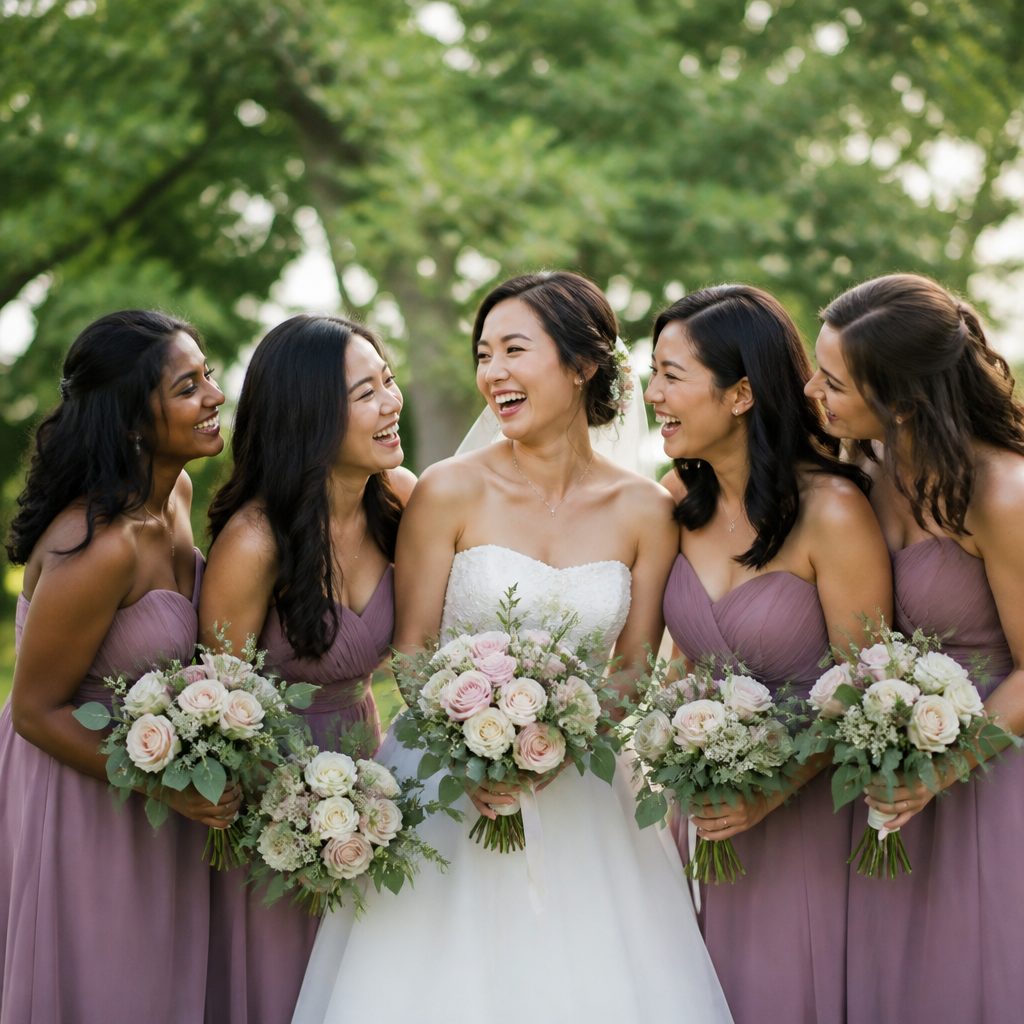
Flowers are a good example because they look universally romantic, yet they can carry very different messages. In many cultures, flowers mark major life moments, from celebration to apology to grief, which is why they can feel emotionally heavy even when they’re “just flowers.” Given with attention to someone’s preferences, they signal thoughtfulness and care. Given repeatedly after hurtful behavior, they can become a reset button that skips accountability. Some people use grand bouquets as a shortcut to closeness, especially under stress, because it’s easier to buy a gesture than to have a vulnerable conversation. A useful question is whether the flowers come with listening and change, or whether they’re meant to end the discussion.
Keys, locks, and other “access” symbols sit right on the boundary between intimacy and control. Handing someone a key can be a practical sign of trust and shared life. It can also be a test: if you hesitate, you must not be serious. The same object can represent safety or surveillance depending on whether it expands freedom or restricts it. Healthy access is mutual, optional, and reversible. Unhealthy access comes with pressure, guilt, or monitoring, like demanding passwords, tracking locations, or framing privacy as betrayal. Trust grows when people can say no without punishment.
Light symbols, like lanterns, candles, or “I’ll leave the porch light on,” often point to reliability. They communicate warmth, welcome, and consistency, which is why they’re so powerful for people who value stability. But light can also be used as a spotlight. Constant check-ins, rapid replies expected at all hours, and rules disguised as care can turn warmth into supervision. A good sign is whether the light is offered as comfort or used to keep someone from having a separate life.
Mirrors and reflections are about being seen. When someone shares photos, posts a couple picture, or wants matching items, it can be a way of saying, I’m proud of us. For others, it’s a form of reassurance: if our relationship is visible, it feels real. The watch-out is when visibility becomes a requirement. If affection has to be public to count, or if a partner is pressured to perform devotion online, the mirror stops reflecting and starts demanding. Real intimacy usually includes room for private love that doesn’t need an audience.
Modern tokens like playlists, inside jokes, streaks, and shared rituals can be surprisingly meaningful. They create a small world only two people understand, which strengthens bonding. Yet rituals can also become scorecards. If missing one song drop or forgetting a nightly text becomes evidence of not caring, the ritual is no longer a gift; it’s an obligation. Healthy rituals are flexible and forgiving. They survive busy weeks, bad moods, and human imperfection.
If you’re curious about your own pattern, notice what you reach for when you feel insecure. Do you try to intensify the bond with grand gestures, seek certainty through access, prove devotion through performance, or protect yourself with distance and independence? Each has strengths: intensity brings passion, access can build teamwork, performance can celebrate love, and independence preserves self-respect. Each also has a shadow. The best symbols are the ones that invite choice, deepen understanding, and make both people feel more themselves rather than less. When in doubt, ask the simplest clarifying question: Is this gesture meant to connect, or to control the outcome?