
Map Your Calm Places and Journaling Facts













Quiz Complete!
Map Your Calm: How Places Shape Well Being and What Journaling Can Reveal
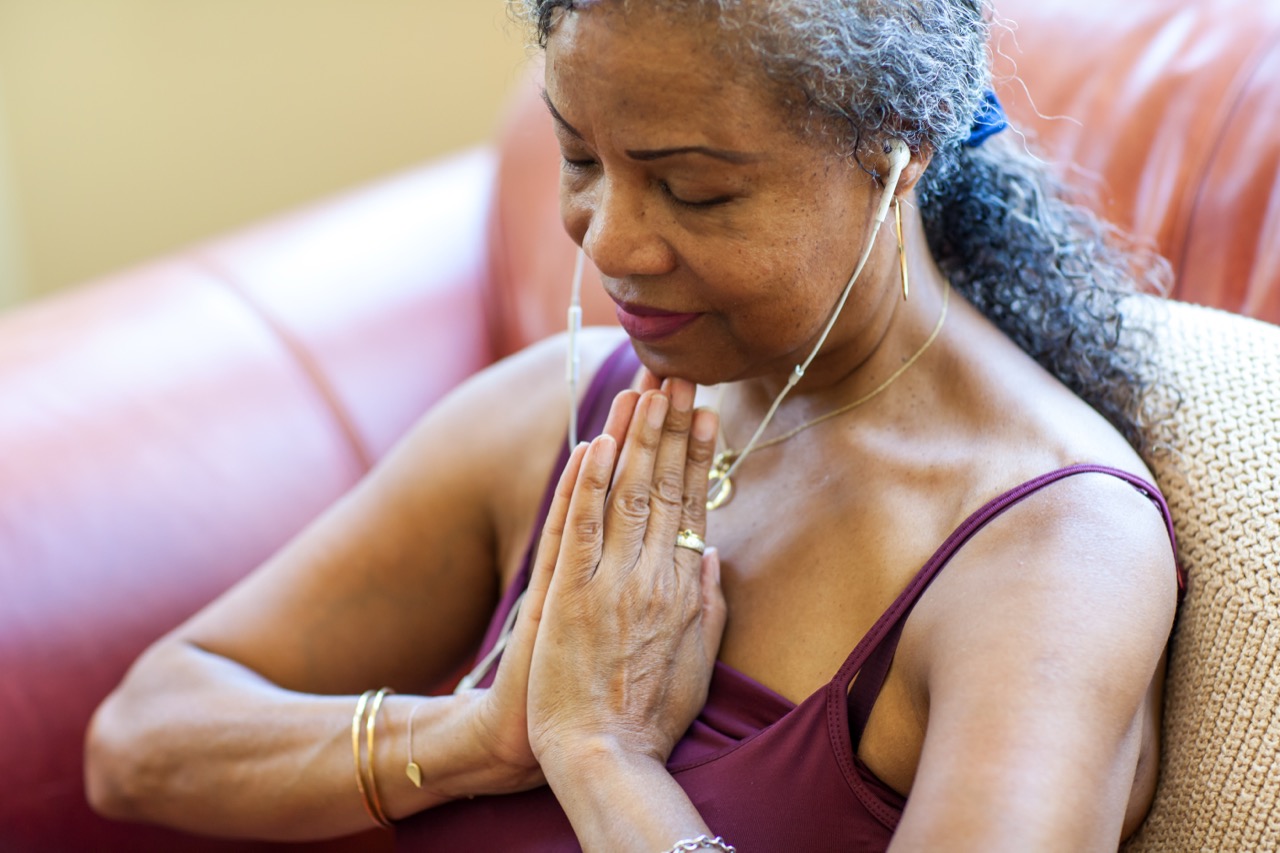
Most people can name a place that instantly changes their mood. It might be a particular park bench, a stretch of coastline, a quiet corner of a library, or the kitchen table where morning light hits just right. That reaction is not just nostalgia. Psychologists use the term place attachment to describe the emotional bond we form with locations through repeated experiences, relationships, and personal meaning. Over time, the brain links a setting with outcomes: comfort, belonging, focus, or sometimes tension. In a practical sense, you carry an inner map of places that help you feel like yourself and places that drain you.
A useful idea from environmental psychology is that some environments are restorative. Restorative environments tend to give your attention a break and help your nervous system settle. One theory, attention restoration, suggests that natural settings often provide soft fascination, meaning they hold your interest gently without demanding constant effort. Think of watching leaves move, waves roll, or clouds shift. Another line of research, stress reduction, points out that certain scenes can lower stress responses quickly, especially when they include natural elements, open views, and a sense of safety. That does not mean nature is the only answer. Many people find restoration in built spaces too, especially places designed for quiet, predictability, and comfort.
Your mental maps are also shaped by learning and memory. The brain keeps track of where you felt safe, where you were criticized, where you rushed, and where you could breathe. Even subtle cues such as lighting, noise, crowd density, and smell can become part of that map. A cafe might feel energizing at 10 a m and overwhelming at 3 p m, not because the cafe changed, but because your body and the social environment did. This is why it can be helpful to think in terms of person plus place plus time. The same location can be supportive under one set of conditions and draining under another.
Sociologists sometimes talk about third places, the informal public spaces between home and work, like cafes, libraries, community centers, and neighborhood parks. These places matter because they offer low pressure social contact and a sense of being part of something larger. For well being, third places can provide two different kinds of calm: the calm of connection, when you feel warmly surrounded, and the calm of anonymity, when you can be quietly present without performing.
Journaling is a simple way to make your inner map visible. Instead of only writing about feelings, try recording the setting like a field note. Capture sensory details: what you hear, smell, and see, plus temperature, textures, and movement. Then note your body signals. Are your shoulders up or down. Is your breathing shallow or steady. Do you feel time speeding up or slowing down. Small observations help you separate the place itself from what you brought into it.
Comparing locations can reveal patterns you would otherwise miss. You might discover that your energy rises in places with natural light and a clear view of the exit, or that you think better with a low background hum but not with sudden noises. Try rating a few variables after you spend twenty minutes somewhere: comfort, focus, social ease, and recovery. Over a few weeks, you will start to see your personal recipe for restoration.
The goal is not to label places as good or bad forever. It is to learn how to choose settings that support the version of you that you want more often. When you map your calm places and write down what makes them work, you build a portable skill: the ability to design your days with more ease, one location at a time.