Pulse and Place Energy Facts Quiz










Quiz Complete!
Pulse and Place: How Your Body and Your Location Shape Energy

Feeling energized is not just a matter of motivation. It is the result of your body’s chemistry, your habits, and the environment around you. At the center of it all is ATP, the tiny energy currency made in your cells. Your body produces ATP from food using oxygen, mostly inside mitochondria, and it can also make ATP quickly without oxygen for short bursts of effort. That is why a sprint feels different from a steady jog: the fast system is powerful but runs out quickly, while aerobic energy is slower to ramp up but can last much longer.
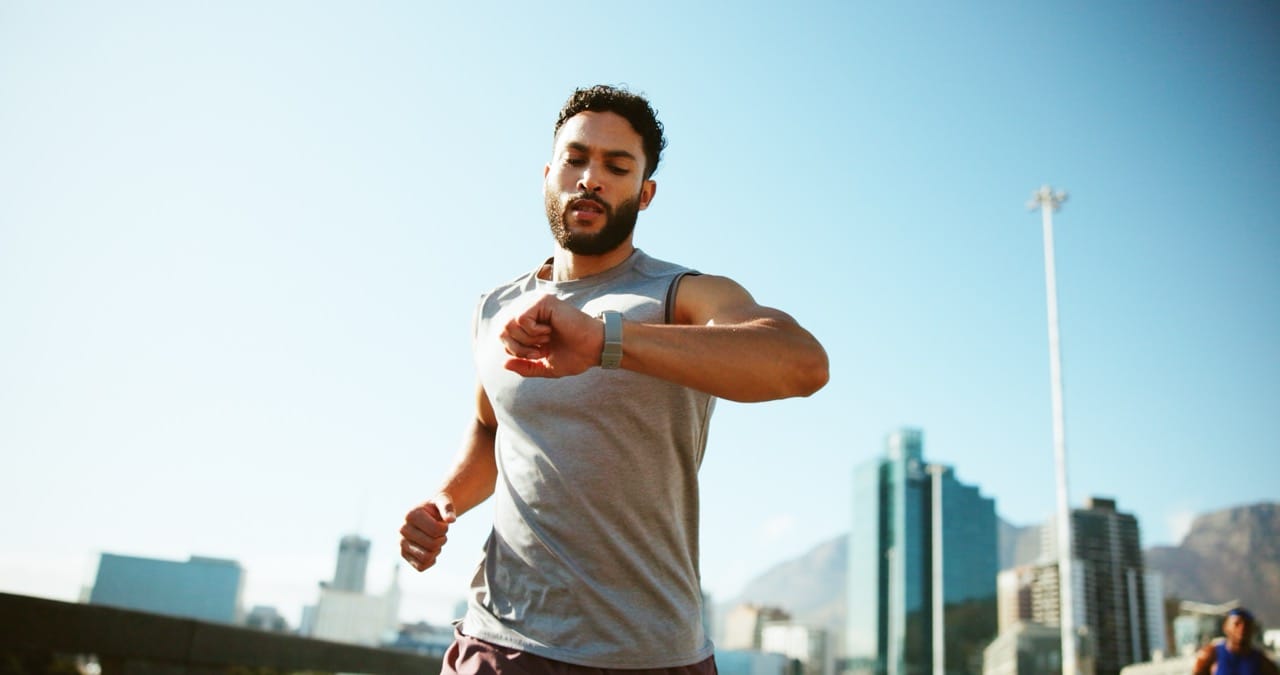
Your pulse is a useful window into this process. Heart rate rises when muscles demand more oxygen and fuel, and it can also climb from stress, caffeine, dehydration, or heat. A higher heart rate is not automatically a sign of better fitness or worse fitness; context matters. Athletes often have lower resting heart rates because their hearts pump more blood per beat. Meanwhile, a sudden jump in resting pulse can be an early hint that you are under-recovered, fighting an illness, not sleeping enough, or running low on fluids.
Hydration is one of the quietest energy influencers. Even mild dehydration can make your blood volume drop, forcing your heart to work harder to deliver oxygen. That can translate into fatigue, headaches, and a sense that everything feels harder than it should. Water needs vary with body size, activity, and climate, but a practical clue is urine color: very dark often suggests you need more fluids, while pale yellow is commonly a sign you are in a good range. Electrolytes matter too, especially sodium, which helps your body hold onto water and supports nerve and muscle function.
Sleep pressure is another major player. Your brain builds a drive to sleep the longer you are awake, partly through chemicals like adenosine. Caffeine works mainly by blocking adenosine receptors, which is why it can make you feel more alert without actually removing the need for sleep. When caffeine wears off, the underlying sleep pressure can return quickly. Light exposure ties your body clock to the day, so bright morning light can help you feel more awake earlier, while intense light late at night can delay sleep and reduce next-day energy.
Where you are on the map can change how energy feels. At higher altitudes, the air contains less oxygen pressure, so your body has a harder time loading oxygen into the blood. Many people notice faster breathing, higher heart rate, and reduced exercise performance at first. Over days to weeks, the body adapts by producing more red blood cells and improving oxygen delivery, which is why altitude training is used by some endurance athletes. Geography also affects temperature and humidity. Heat increases cardiovascular strain because blood is diverted toward the skin to shed heat, and humidity makes sweating less effective, raising the risk of fatigue.
Time zones and travel can be surprisingly draining. Crossing multiple zones disrupts circadian rhythms, affecting hormone release, digestion, and alertness. Jet lag is not just inconvenience; it can reduce coordination and reaction time. A useful strategy is to shift sleep and meal times gradually before travel, seek daylight at the right times in the new location, and keep caffeine earlier in the day to avoid worsening sleep.
In everyday life, the best energy boosts are often unglamorous: consistent sleep, regular movement, balanced meals with enough protein and fiber, and smart hydration. Short walks can increase alertness by improving blood flow and reducing stiffness. Deep, steady breathing can lower stress signals that drain energy. The myth is that energy is purely willpower. The reality is that your pulse, your cells, and your place on Earth are constantly negotiating how energized you feel.