Quirks, Kisses, and Closeness: Which Attachment Oddity Are You?












Quirks, Kisses, and Closeness: The Curious Science of How We Bond

Dating is full of tiny rituals that feel personal but are often surprisingly common. Some couples always sit on the same side of a booth. Some have a “goodnight script” that includes a specific phrase, a certain number of kisses, or a final check-in text. Other people notice these patterns the way a birdwatcher notices species: quietly, accurately, and with a running mental list of what each detail might mean. That mix of romance trivia and emotional instinct is exactly where attachment styles live in everyday life.
Attachment style is a simple way to describe how people tend to handle closeness, uncertainty, and support in relationships. It is not a diagnosis, and it is not destiny. Most people show a blend depending on context, stress, and the partner they are with. Still, patterns repeat because the brain learns what feels safe. When someone seems calm with affection, they often have an easier time trusting that connection can be steady. When someone gets jumpy around mixed signals, they may be especially sensitive to changes in tone, response time, or warmth. When someone values space fiercely, it may be their way of staying regulated and in control.
One of the most revealing moments in dating is not the first kiss, but what happens after: do you feel soothed, energized, worried, or trapped? People who lean secure usually enjoy closeness and also tolerate distance without spiraling. They tend to ask directly for what they need and interpret a partner’s off day as a normal human thing, not a relationship emergency. Their relationship fun-fact energy often shows up as wholesome curiosity: they might bring up research about what makes couples last, or a sweet tradition from their family, and actually use it.
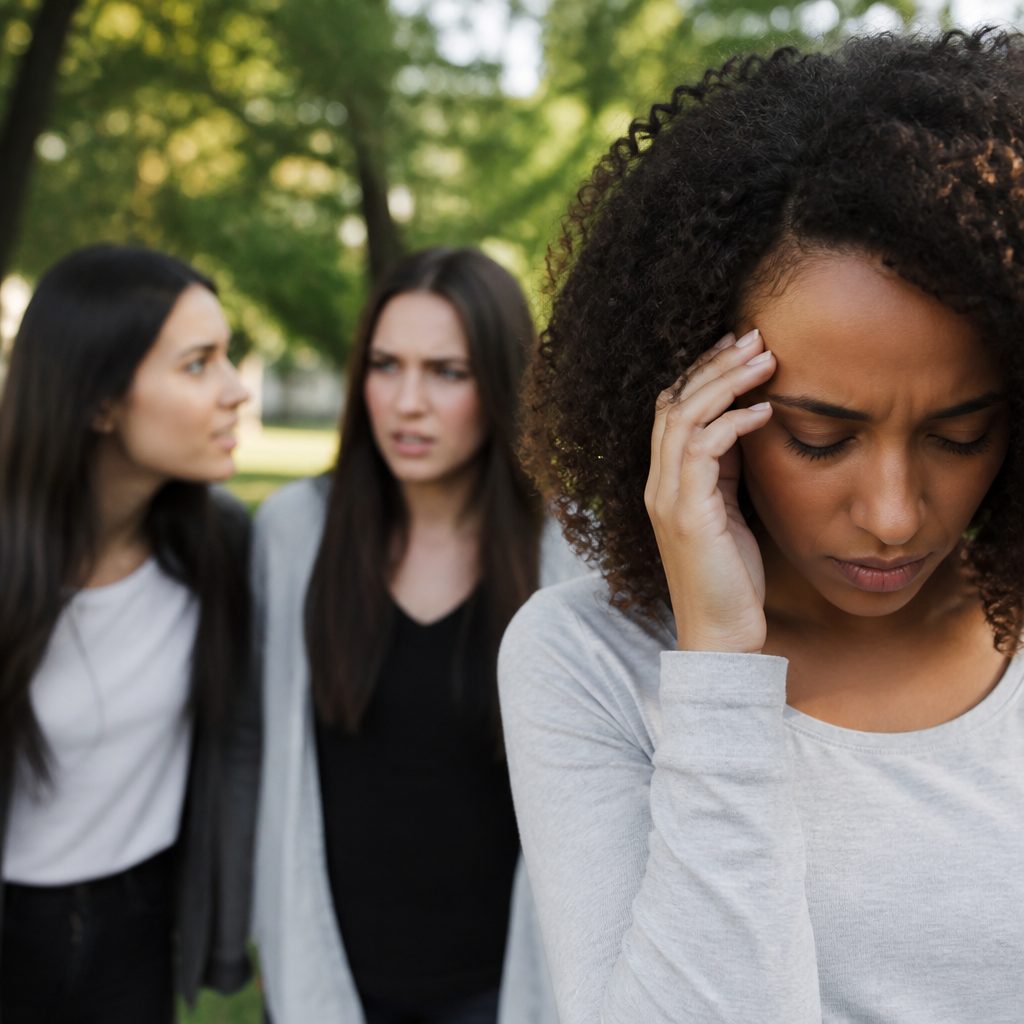
Anxious-leaning attachment often looks like high attentiveness. These are the people who can sense a mood shift from a single punctuation mark. They may crave reassurance, especially when plans change or messages slow down. This sensitivity can be a strength when it becomes emotional intelligence rather than self-blame. Their love-lore tends to be intensely tuned-in: they might know the obscure psychology of “protest behaviors,” or they may have a private catalog of what each partner’s small gestures typically predict.
Avoidant-leaning attachment often looks like independence and composure. These people may prefer to process feelings internally and can feel crowded when affection comes with expectations. They might be generous and loyal while still needing clear autonomy. Their relationship oddity energy can be enigmatic and clever: they may share fascinating trivia about cultural courtship customs, but keep their own emotions under wraps until trust is proven.
Disorganized or mixed patterns can show up as push-pull: craving closeness, then feeling overwhelmed by it. This is often linked to inconsistency in past relationships, and it can improve with stable experiences and good communication. These individuals might be charmingly unpredictable, collecting strange couple superstitions or romantic myths, while also trying to figure out what safety feels like in real time.
Across styles, the same principle helps: make uncertainty smaller. Clear plans, kind honesty, and repair after misunderstandings reduce the need for mind-reading. If you notice yourself tracking patterns, try tracking the helpful ones too: when you feel most relaxed, what kind of reassurance works, and what boundaries make affection easier to receive. The best bonding quirks are the ones that make both people feel seen, not managed. And the best relationship trivia is the kind that sparks a laugh at dinner while quietly nudging you toward healthier closeness.