
Receipts and Reflection Self Care Scandals Quiz Expert Round











Quiz Complete!
Receipts and Reflection: What Wellness Scandals Teach Us About Smarter Self Care and Safer Journaling
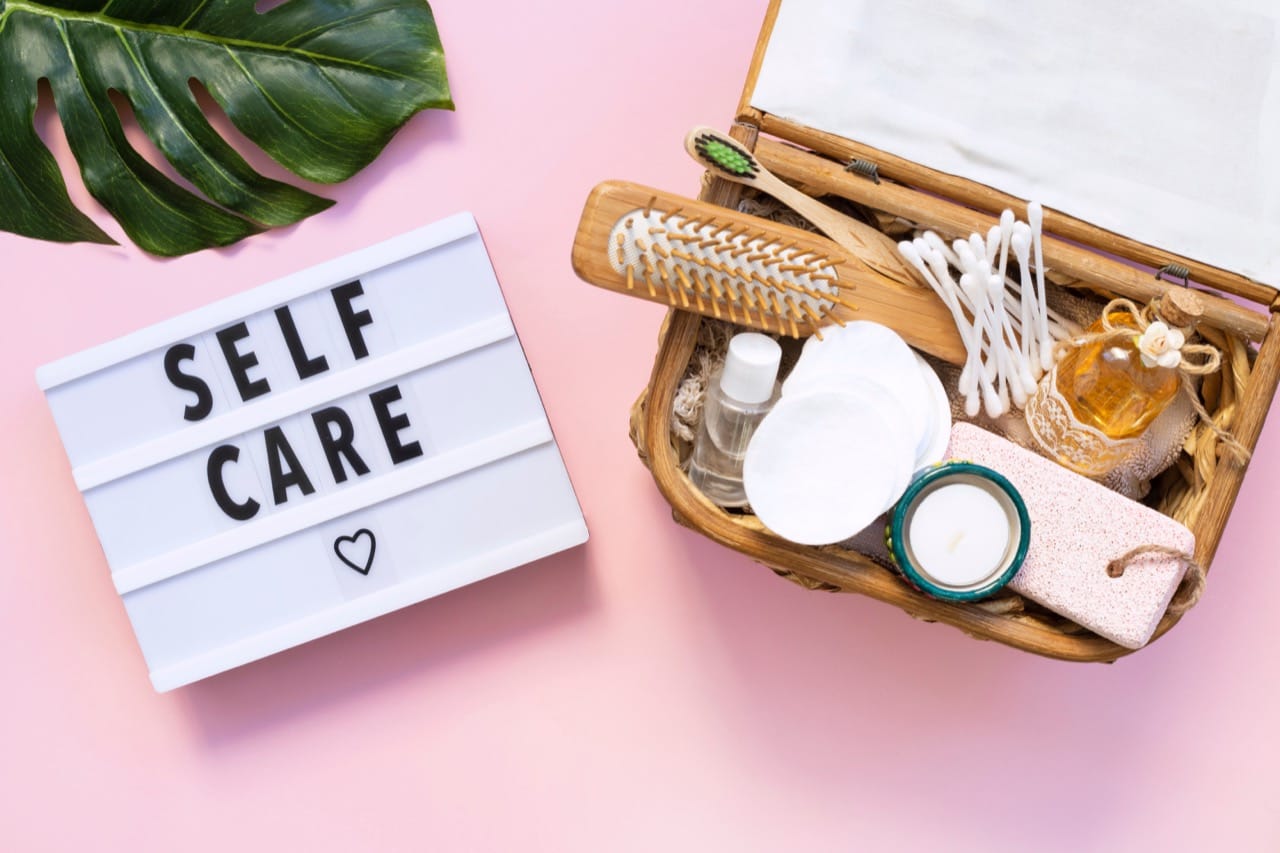
Self care has a comforting reputation: candles, baths, a quiet notebook, maybe a guided meditation. Yet modern wellness culture has also produced some spectacular messes, from questionable detox teas to luxury retreats that promised transformation and delivered chaos. Paying attention to these scandals is not about cynicism. It is about learning how hype works, how regulation actually functions, and how to protect your body, wallet, and privacy while still enjoying practices that genuinely help.
A recurring theme in wellness controversies is the miracle claim. Products marketed as detoxifying, hormone balancing, inflammation erasing, or immune boosting often rely on vague language that sounds scientific but avoids testable promises. In many countries, supplements and many wellness products are regulated more like foods than like medicines, which means companies may not need to prove effectiveness before selling. Regulators typically act after complaints pile up, a journalist investigates, or a lawsuit forces disclosure. That is why you will sometimes see sudden crackdowns, warning letters, or class action settlements long after a trend has already gone viral.
Influencer culture adds fuel. When someone with a huge following shares a personal story of healing, it can feel more persuasive than any clinical trial. But personal testimony is not evidence, and sponsorships can blur the line between recommendation and advertisement. A classic scandal pattern is the apology note: an influencer gets called out for undisclosed ads, exaggerated before and after photos, or promoting a product that later faces safety questions. The apology often includes the language of growth and accountability while quietly avoiding specifics like who paid, what was claimed, and what harm occurred. A good consumer habit is to look for concrete details: clear disclosures, measurable claims, citations to reputable sources, and an acknowledgment of risk rather than a promise of certainty.
Retreats and high end wellness experiences have their own fine print. Some are legitimate and professionally run, but others have been criticized for unsafe practices, unqualified staff, or marketing that implies medical treatment without medical oversight. Red flags include pressure to stop prescribed medication, one size fits all protocols, extreme fasting, or leaders who discourage questions. If a retreat sells emotional catharsis as guaranteed, it may be selling a fantasy rather than a service. Responsible programs are transparent about credentials, emergency procedures, refund policies, and what participants can realistically expect.
Journaling seems far from lawsuits and product recalls, yet it intersects with ethics and privacy in surprisingly practical ways. Your notebook can become a witness: to your relationships, your workplace conflicts, your health decisions, even your purchases. Writing can be therapeutic, but it also creates a record that could be read by a partner, a roommate, an employer, or in rare cases, a legal process. If privacy matters, consider basics like where you store a journal, whether you use a lock, and what device backups might capture if you journal digitally. Some apps encrypt end to end, others do not. If a journaling platform is free, ask what it does with your data.
Writing about real people is another place where self care meets responsibility. You can process your feelings without turning your journal into a courtroom transcript. A useful approach is to separate observation from interpretation. Write what happened, then write what you felt, then write what you assume, labeling assumptions clearly. If you ever plan to share excerpts publicly, be careful with identifying details. Changing names is not always enough if the story contains specific dates, locations, or unique events.
One of the most empowering self care skills is learning to keep receipts, metaphorically. Track what you tried, what it cost, what it promised, and what actually happened. Note side effects, mood changes, sleep, and energy in plain language. This kind of reflection helps you resist trend whiplash and makes you a harder target for marketing that relies on urgency and insecurity. Wellness can still be soothing, but it gets safer and smarter when comfort is paired with curiosity, and when reflection includes both feelings and facts.