Reps on Screen Pop Culture Fitness Trivia












Quiz Complete!
Reps on Screen: How Pop Culture Turned Fitness into a Shared Language

Long before workout apps counted steps and smartwatches buzzed reminders, movies and television taught people what exercise looked like and why it mattered. Pop culture did not just reflect fitness trends; it often created them. A single montage could make training feel heroic, a catchy slogan could sell millions of tapes, and a viral challenge could turn a private habit into something people did together online.
Few storytelling devices are as instantly motivating as the training montage. When audiences watched characters run up stairs, punch heavy bags, or push through exhaustion, the message was simple: effort changes you. The iconic Philadelphia steps run from Rocky became more than a scene; it turned into a real-world ritual for visitors and runners. Similar moments across sports films made sweat look cinematic, with music doing half the motivational work. Soundtracks mattered because they attached emotion to movement. When a song becomes linked to a scene of transformation, it can turn into a personal cue for countless viewers to start their own routine.
Television also helped define fitness as a lifestyle rather than a niche hobby. Morning and daytime programming brought exercise into living rooms, making it feel accessible and normal. The aerobics boom of the late twentieth century was fueled by bright outfits, upbeat music, and the idea that you could get fit without a gym membership. That era also helped popularize the concept of the instructor as a celebrity, someone whose personality was as important as their technique.
The home video revolution changed everything. Fitness tapes and later DVDs made structured workouts available on demand, and some became bestsellers that shaped how people talked about exercise. Simple cues like feeling the burn or pushing through one more rep entered everyday language. These programs also standardized certain formats, such as timed intervals, targeted muscle days, and follow-along routines that required minimal equipment. They helped spread the idea that consistency beats intensity, even if the marketing sometimes promised dramatic transformations overnight.
As celebrity workout empires grew, fitness became part of personal branding. Stars launched programs, books, and product lines that blurred the line between entertainment and instruction. This had mixed effects: it inspired many people to start moving, but it also encouraged unrealistic expectations and a focus on appearance over health. Still, it made exercise feel culturally relevant. When a famous actor trained for a role and shared the regimen in interviews, it turned behind-the-scenes discipline into a public narrative.
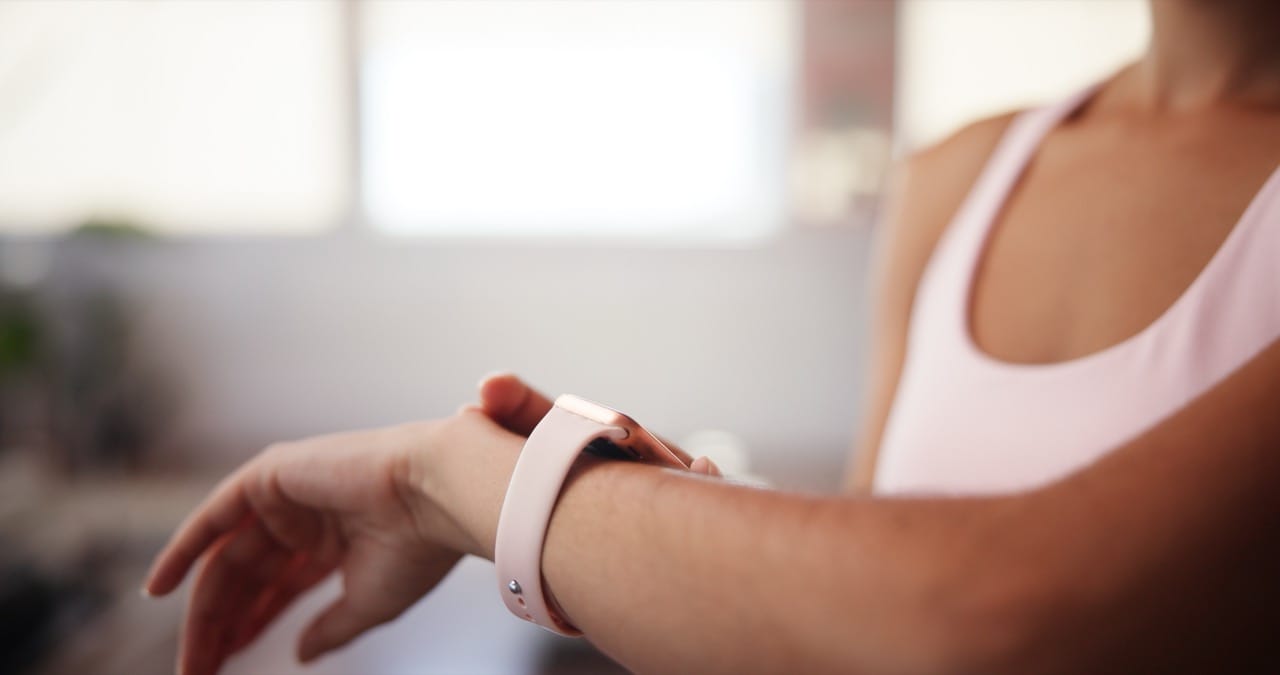
In the 2000s and 2010s, wearable tech and social media rewired motivation. Step counts and streaks turned movement into a game, and sharing results made accountability social. Viral challenges pushed this further. Whether it was a dance-based routine, a plank challenge, or a month-long squat countdown, the appeal was the same: a clear goal, a simple format, and a community doing it at the same time. The internet also revived older trends, remixing classic aerobics aesthetics or reintroducing retro routines to new audiences.
Pop culture fitness moments endure because they offer more than instruction. They provide stories, symbols, and shared references. A montage can make a tough workout feel like a personal comeback. A catchphrase can turn fatigue into a punchline. A challenge can make starting less intimidating because everyone else is starting too. If you have ever chosen a playlist to feel like a movie hero, tried a routine because a celebrity swore by it, or felt oddly proud of a daily streak, you have experienced how entertainment quietly trains the mind to embrace movement.