Reset or Rumor Self Care True or False










Quiz Complete!
Reset or Rumor: Sorting Self-Care Facts from Feel-Good Fiction
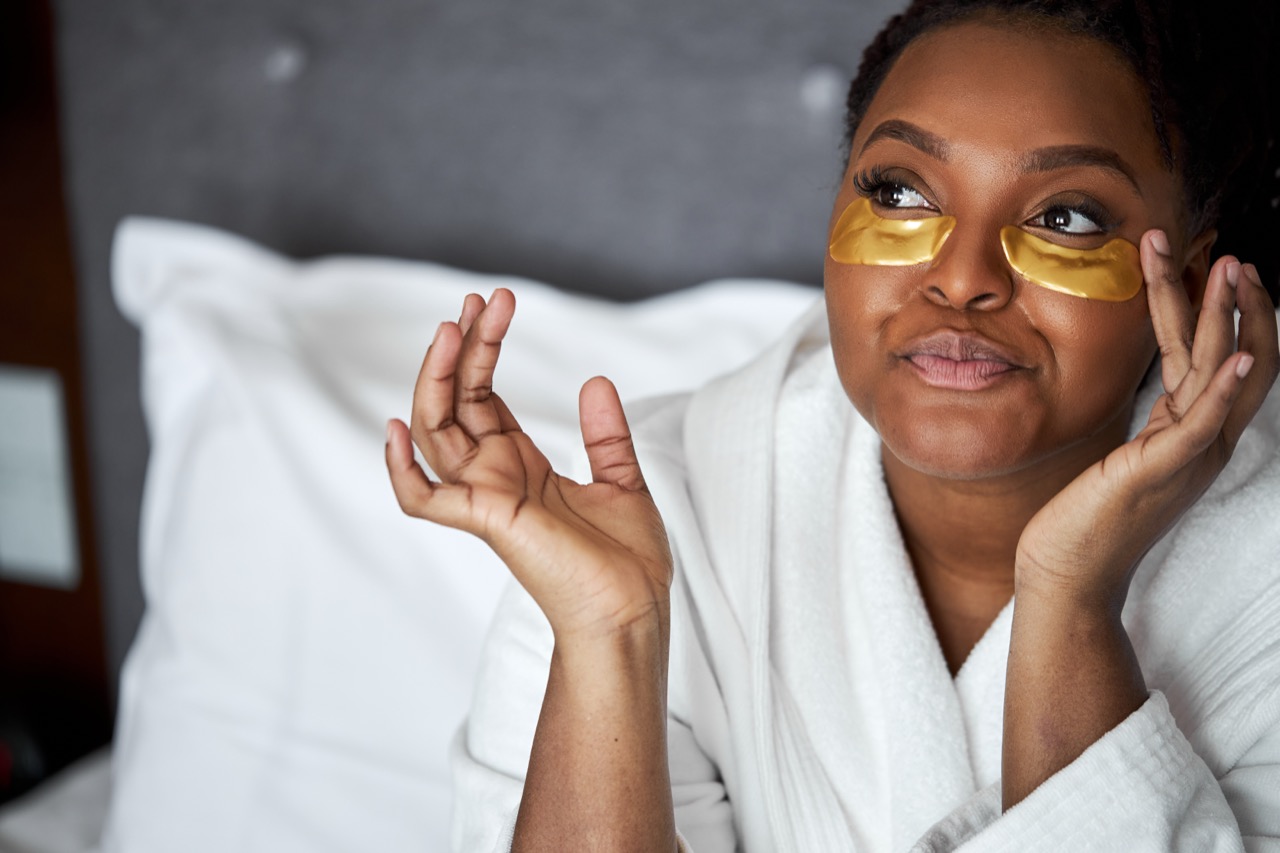
Self-care has become a catchall phrase for everything from bubble baths to buying expensive gadgets, which makes it easy to miss what actually moves the needle. The most reliable self-care habits tend to be the least flashy: consistent sleep, manageable stress, enough water, regular movement, clear boundaries, and attention to mental well-being. A true-or-false quiz can be a useful reality check because many popular claims sound reasonable but fall apart when you look at how bodies and brains really work.
Sleep is a great example of a simple truth that gets complicated by myths. Many people treat sleep like optional downtime, but it is active maintenance for memory, immune function, mood regulation, and metabolism. The idea that you can “train” yourself to need less sleep is mostly a misunderstanding; while you can adapt to feeling tired, your performance and health still suffer. Another common rumor is that you can make up for chronic short sleep with one long weekend. Catching up helps a bit, but it does not fully erase the effects of repeated sleep loss. A more realistic upgrade is to keep a stable wake time, get morning light, and protect the hour before bed from work and doom-scrolling.
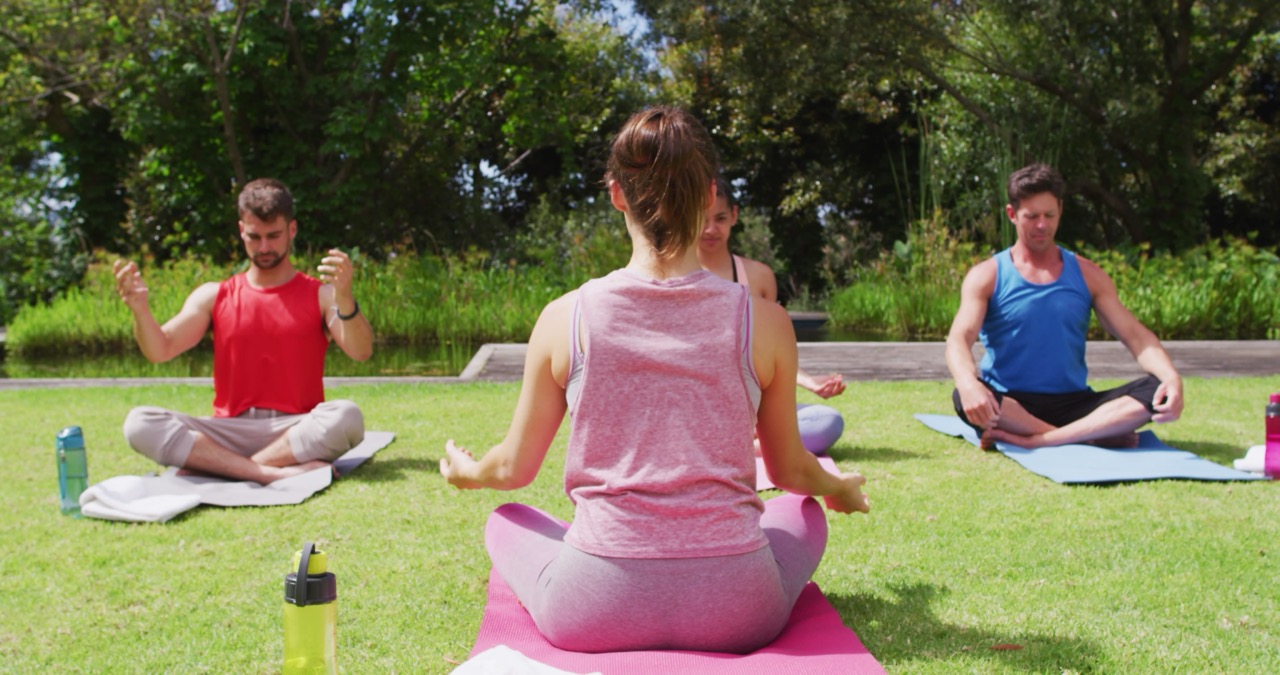
Stress advice can also drift into extremes. Some stress is normal and even useful, but constant high stress pushes the body into a state where sleep, digestion, and focus get harder. Not every stress tool needs to be spiritual or time-consuming. Slow breathing, brief walks, and short breaks between tasks can lower physiological arousal. A rumor worth challenging is that productivity hacks always reduce stress. Sometimes they increase pressure by turning every moment into a performance metric. A better approach is to choose one or two priorities for the day and allow the rest to be “good enough.”
Hydration is another area where “more is better” can mislead. Water matters for energy, digestion, and temperature regulation, but forcing huge amounts can be unnecessary and, in rare cases, risky. Many people do fine by drinking when thirsty and paying attention to urine color, activity level, heat, and illness. Caffeine does not instantly dehydrate you the way people claim; moderate coffee and tea still contribute fluid, though too much can worsen anxiety or disrupt sleep.
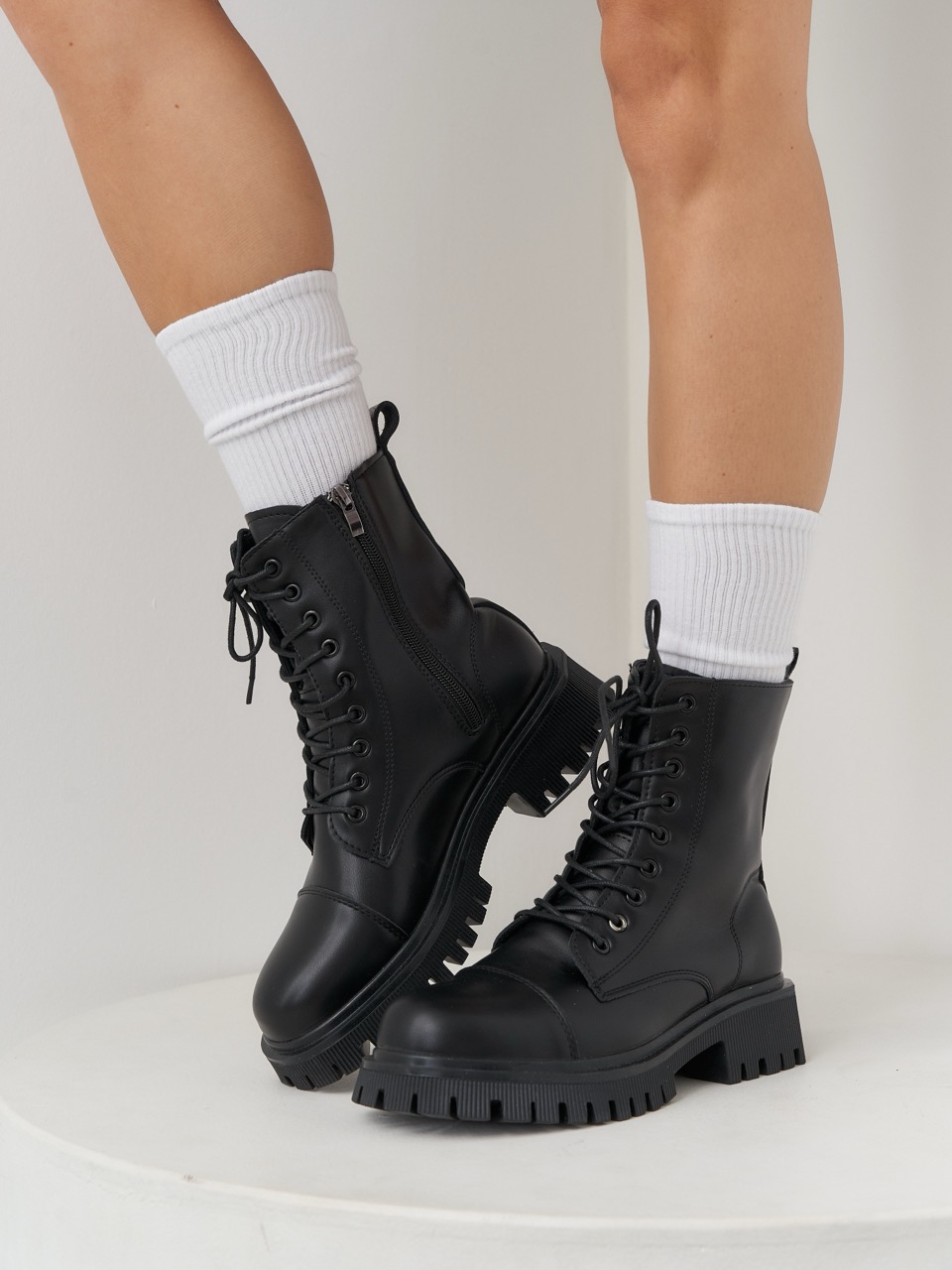
Movement is often marketed as punishment or a shortcut to a new body, but the most sustainable version is the one you can repeat. A popular misconception is that exercise only counts if it is intense. In reality, walking, strength training, mobility work, and playful activity all support health. Another myth is that more exercise is always better. Too much intensity without recovery can increase injury risk, worsen fatigue, and backfire on motivation. A practical goal is to mix moderate activity with a couple of strength sessions per week and build up gradually.
Boundaries may be the most underrated self-care tool because they protect time, attention, and relationships. Saying yes to everything can look generous but often leads to resentment and burnout. Boundaries can be small and specific, like not answering messages during meals, scheduling a daily cutoff time for work, or choosing one social plan instead of three. They are not about being cold; they are about being clear.
Mental well-being is not just positive thinking. It includes noticing your patterns, getting support, and treating yourself with the same fairness you offer others. Supplements and quick fixes are tempting, but they rarely replace basics like sleep, nutrition, movement, and connection. If your mood, anxiety, or stress feels stuck, evidence-based therapy, medical support, and community can be life-changing. The best self-care is rarely perfect. It is a handful of realistic habits that you can do on ordinary days, not just on your best ones.