Solstice to Monsoon Wellness Map Quiz









Quiz Complete!
A Wellness Map of the Year: How Place Shapes Seasonal Habits
Wellness advice often sounds universal, but your body experiences the year through the filter of geography. Latitude, altitude, and local climate quietly change how you sleep, move, eat, and recover. The same routine that feels energizing in a mild coastal city can feel punishing during a dark northern winter or a humid monsoon season. Paying attention to where you are on the map can turn generic health tips into practical, real world habits.
At higher latitudes, winter daylight can shrink to a brief window, and that can affect mood, energy, and vitamin D status. Vitamin D is made in the skin when sunlight is strong enough, and in far northern regions the sun angle in winter may be too low for meaningful production even on clear days. That is one reason Nordic countries often emphasize vitamin D fortified foods and supplements during the darker months. Light exposure matters too. Getting outside near midday, even when it is cold, can help anchor your body clock. Many people also benefit from bright indoor light in the morning to support alertness and sleep timing.
Cold climates have also developed cultural tools for recovery. Finnish sauna tradition is not just about warmth; it is often paired with cooling off afterward, which may support relaxation and a sense of resilience. The key wellness lesson is not that everyone needs extreme hot cold cycles, but that heat, rest, and social connection can be built into winter life. If you live where winters are long, planning regular warmth and recovery time can prevent the season from becoming a months long stress test.
Move south toward sunnier regions and you meet a different challenge: heat and intense sun. In Mediterranean climates, the midday break known as the siesta rhythm grew partly from practicality. When afternoons are hot, shifting activity to cooler morning and evening hours can protect sleep and reduce heat strain. It also changes how you hydrate and eat. In dry heat, sweat evaporates quickly, so you may not feel as drenched even as you lose fluid. In humid heat, sweat does not evaporate as well, so you can feel sticky and overheat faster. Monsoon season adds another twist: humidity can make workouts feel harder at the same pace, and heavy rains can limit outdoor time. Hydration needs rise with heat, but so does the need to replace electrolytes, especially sodium, when sweating is prolonged.
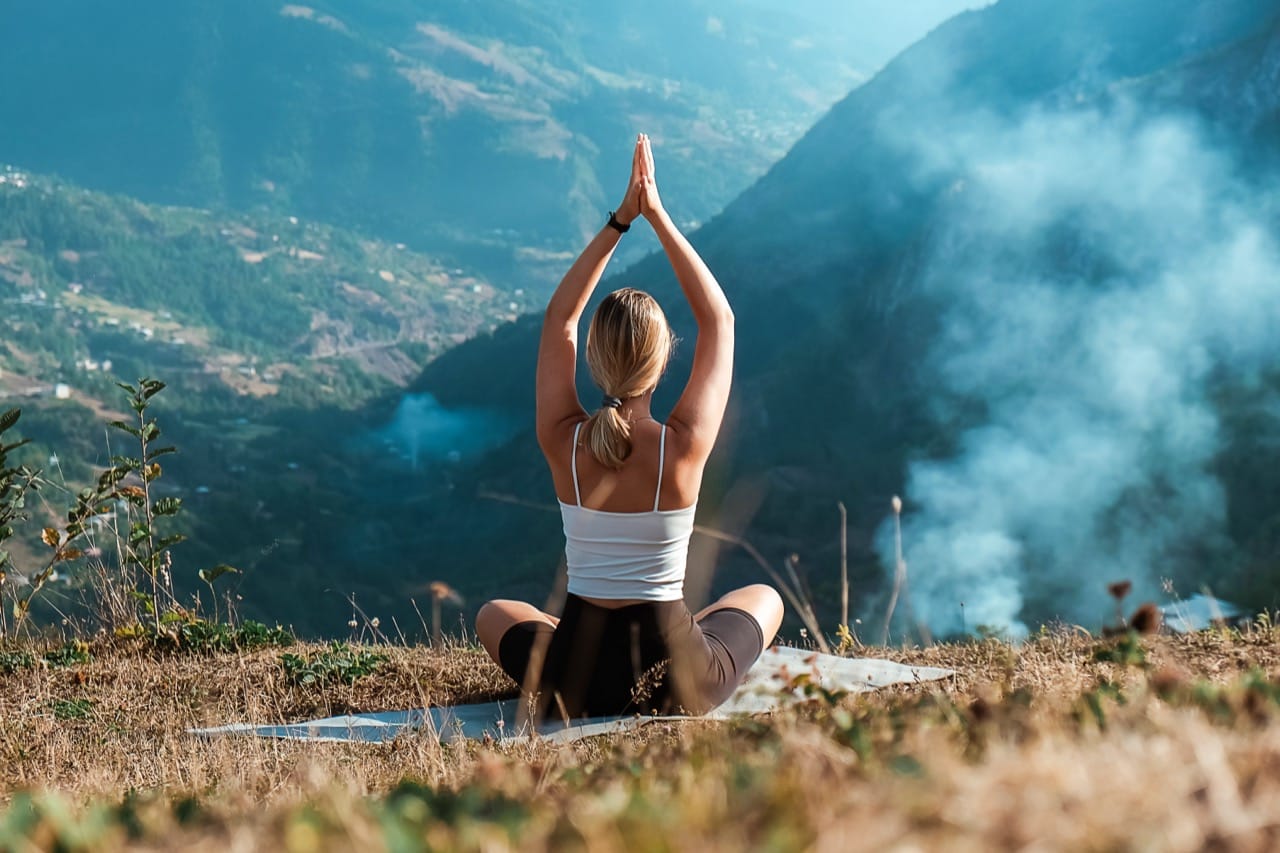
Altitude rewrites the rules again. High mountain regions have thinner air and stronger ultraviolet radiation. You can burn faster even on cool days, and snow reflection can intensify exposure. People often feel dehydrated at altitude because breathing is faster and drier air pulls moisture from the body. Sleep can be lighter during the first days at elevation as the body adjusts. Practical habits include drinking regularly, using sunscreen year round, and easing into intense exercise until acclimatized.
Nature itself becomes a wellness tool in many places. Japanese forest bathing, or spending slow, mindful time among trees, highlights how environment can support recovery. Green spaces can lower perceived stress and encourage gentle movement, which is especially valuable during seasons when motivation dips. Even in cities, small parks and tree lined streets can offer a similar reset.
Some regions face seasonal hazards that change what wellness means. Wildfire smoke can turn a sunny day into an air quality problem, irritating lungs and increasing fatigue. On smoky days, the healthiest workout may be indoors, and the best self care might be closing windows, using filtration if available, and choosing lower intensity movement. Pollen seasons, hurricane disruptions, and extreme cold snaps all create their own versions of this: the best routine is the one that adapts.
A useful way to think about a wellness map is to match habits to conditions. In dark winters, prioritize light, vitamin D strategy, and social warmth. In hot or humid seasons, shift timing, adjust intensity, and hydrate with electrolytes in mind. At altitude, protect skin and pace effort. In smoky or stormy periods, choose indoor recovery and protect breathing. When you connect wellness to place, the year stops being a battle against the weather and becomes a set of seasonal skills you can learn and use wherever you are.