Spa Stunts and Calm Under Pressure Quiz







Quiz Complete!
Spa Stunts and Staying Calm When Life Gets Loud
Stress relief has a split personality. On one side are quiet, evidence-based habits like slow breathing and regular sleep. On the other are attention-grabbing wellness stunts: marathon meditation sessions, record-setting ice baths, and spa treatments so unusual they sound like dares. Both can teach something useful, especially when you separate what reliably changes your physiology from what mainly makes a good headline.
One of the fastest ways to shift your body out of high alert is to change your breathing. When you are stressed, breathing often becomes shallow and quick, which can reinforce a sense of threat. Slowing the exhale tends to be especially calming because it nudges the nervous system toward a rest-and-digest state. Many people find that a steady, comfortable rhythm around five to six breaths per minute feels grounding. You do not need a perfect technique; you need a repeatable one. Even a minute of slower breathing can reduce the intensity of stress in the moment, and a few minutes can make it easier to think clearly.
Sleep is less flashy but more powerful than most spa trends. Poor sleep increases emotional reactivity and makes everyday hassles feel bigger. A consistent sleep schedule, dimmer light in the hour before bed, and a cooler, darker room can improve sleep quality without buying anything. If your mind races at night, a simple trick is to write down tomorrow’s worries and tasks before you lie down, giving your brain permission to stop rehearsing. Caffeine timing matters too; for many people, caffeine late in the day can sabotage sleep even if they feel tired.
Movement is another proven stress lever. You do not need extreme workouts to get benefits. Moderate activity like brisk walking can lower tension and improve mood, partly through changes in stress hormones and brain chemicals linked to reward and resilience. Short bursts count. A ten-minute walk after a stressful meeting can be more realistic than a full gym session, and it can still help your body metabolize adrenaline.
Social connection is a stress tool hiding in plain sight. Supportive conversation, laughter, and even brief friendly interactions can reduce the sense of isolation that amplifies stress. Physical touch can also help some people feel safer, which is one reason massages are popular. The key is that the relationship feels safe and consensual; forced socializing can backfire.
Then there are the wellness spectacles. Long meditation marathons and silent retreats can be meaningful, but they are not automatically better than short daily practice. Cold plunges and sauna challenges can feel invigorating, yet they are intense stressors as well as potential stress relievers. Some people love the rebound calm after a cold dip, while others feel shaky or panicky. If you have heart issues, blood pressure concerns, or a history of panic attacks, extreme temperature practices deserve extra caution and medical advice.
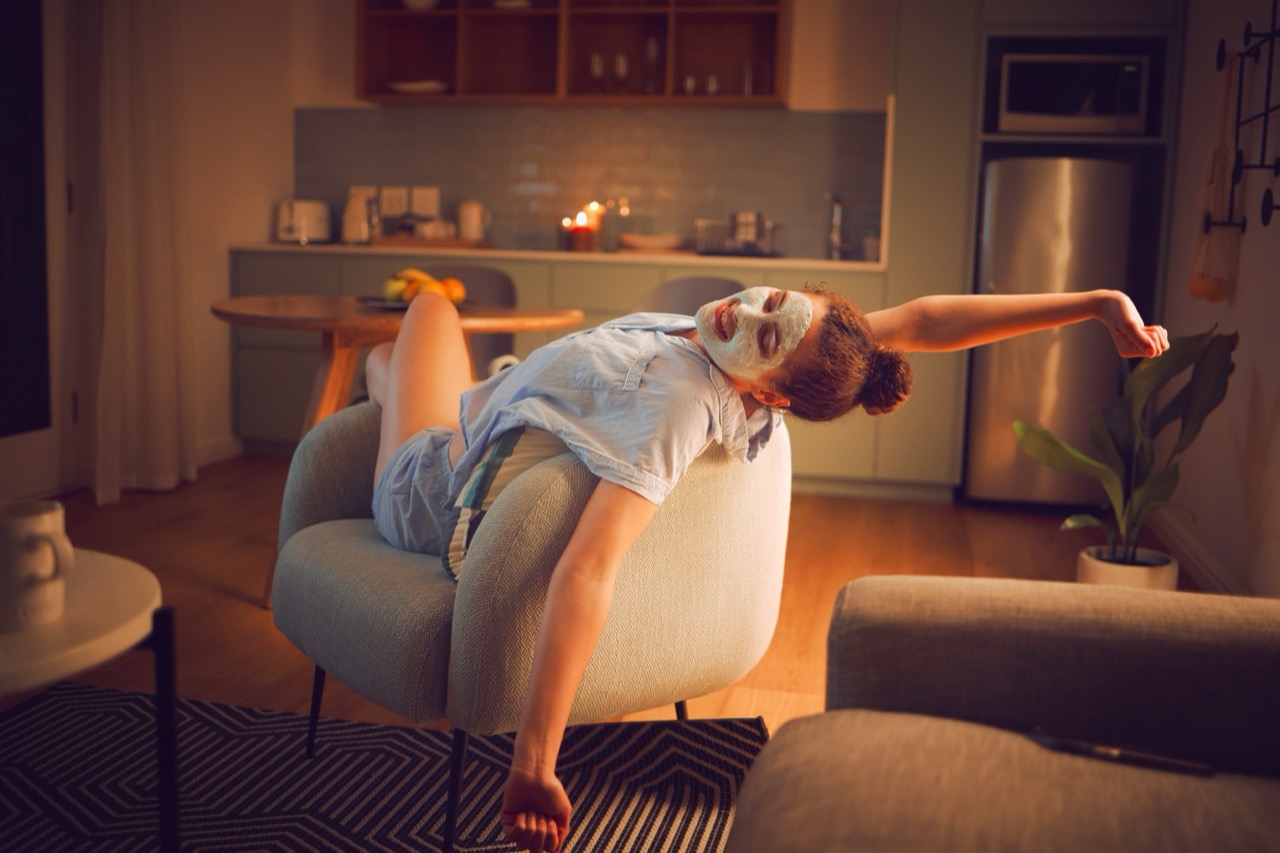
Spa culture also loves novelty: sound baths, floating tanks, unusual wraps, and treatments featuring everything from minerals to creative scents. Many of these can be pleasant and may promote relaxation through comfort, ritual, and sensory soothing. The science often supports the basics behind them, like lowering stimulation, reducing muscle tension, and encouraging slow breathing, even if the marketing claims go too far.
The most reliable takeaway is refreshingly simple. Your body can shift quickly when you give it clear signals of safety: slower breathing, steady sleep, regular movement, and real connection. The stunts make for great stories, but the calm that lasts usually comes from small practices you can repeat on an ordinary day.