Sparks & Satellites: What Innovation-Powered First-Date Energy Are You?








Sparks and Satellites: How Innovation Shapes First-Date Energy

First dates have always been a mix of curiosity and risk, but modern innovation has changed the way that mix feels. Some people arrive with the calm confidence of a well-tested prototype, while others show up like a surprise comet, bright and unpredictable. The tools around us nudge those styles. A reservation app can make you feel prepared. A map that updates in real time can make you feel adventurous. Even a tiny invention like noise-canceling earbuds can change how you handle pre-date nerves on the train.
The biggest shift is that dating now lives partly in systems. Algorithms sort, suggest, and sometimes steer who you meet. They do not create chemistry, but they influence the odds of crossing paths. Many matching systems rely on patterns in behavior: what you click, how long you linger, what you write, and how quickly you respond. That can reward people who communicate clearly and consistently, but it can also make connection feel like a performance. If you tend to plan like a scientist, you might enjoy treating a first date as a small experiment: choose a setting, observe the vibe, adjust gently, and learn something regardless of outcome.
Planning itself has become a kind of social technology. Choosing a spot is no longer just about food or ambiance; it is about signal. A quiet cafe says you value conversation bandwidth. A busy street market says you like external stimuli to keep things flowing. A museum date is a clever human-centered design choice because the art provides built-in prompts and shared attention, which can reduce the pressure of constant eye contact. Psychologists note that shared activities can ease awkward pauses because your brain has something concrete to reference, and that can make people feel safer.
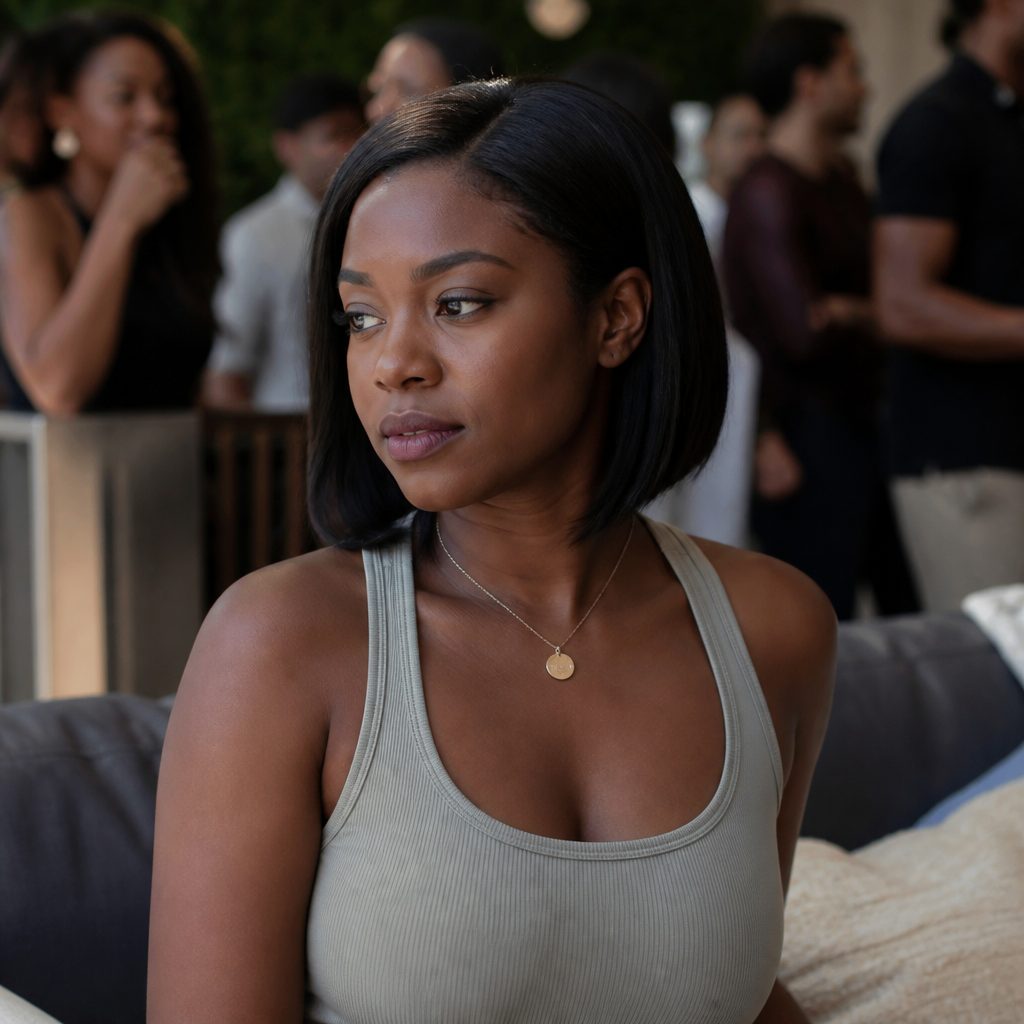
Conversation also reflects innovation culture. Some people flirt like futurists: they ask big questions, imagine bold possibilities, and treat ideas as playgrounds. Others are elegantly engineered: they listen for details, build rapport step by step, and keep the exchange balanced like a well-tuned device. There is also quietly classic energy, where the charm comes from being present and unhurried, even if the phone stays face down on the table. That analog choice is not anti-technology; it is a boundary that protects attention, which is increasingly valuable.
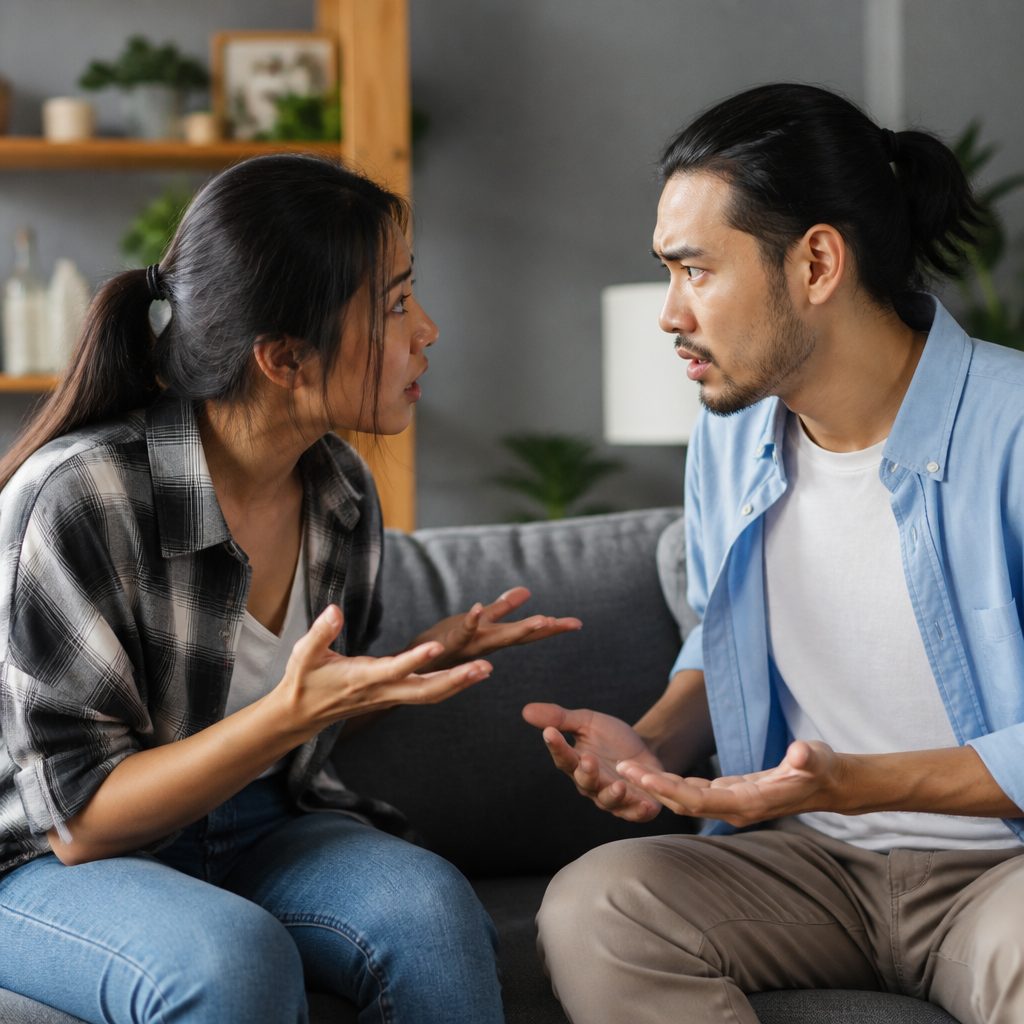
Awkward pauses are where your innovation style really shows. The experimental type may lean into the silence and pivot with a surprising question, like testing a new feature. The optimizer might use a small tool, such as suggesting a short walk to change the environment and reset the conversation. The human-centered dater might name the moment with warmth, which is a social version of good interface design: it reduces confusion and makes the other person feel considered. The classic-with-a-twist dater might tell a small story, offering something personal without oversharing, the way a simple invention solves a real problem.
Even the way you signal interest has been reshaped by modern habits. Quick follow-up texts can feel like instant feedback loops. Waiting can feel like strategic pacing. Neither is inherently better; what matters is clarity. In engineering terms, mixed signals are noise. In relationship terms, they create unnecessary uncertainty. A thoughtful message that references a specific moment from the date is like a good satellite ping: brief, accurate, and proof you were paying attention.
Innovation is not only rockets and apps. It is also the everyday breakthroughs that make connection easier: contactless payment that prevents an awkward bill moment, translation tools that help multilingual couples, and accessibility features that make venues workable for more people. When you take a first date seriously as a shared experience, you are already practicing a kind of modern creativity. Whether your vibe is bold and experimental, elegantly engineered, thoughtfully human-centered, or quietly classic with a twist, the best spark is the one that makes the other person feel both intrigued and safe enough to be real.