Sync, Soothe, Repeat Wellness Science Quiz










Quiz Complete!
Sync, Soothe, Repeat: A Reality Check on Wellness Science
Wellness advice can feel like a firehose: track your sleep, fix your gut, lower your stress, take this supplement, avoid that food. Some of it is genuinely helpful, some is oversold, and a lot depends on what the evidence actually measured. The most useful mindset is to treat health trends like hypotheses. What was studied, in whom, for how long, and what else could explain the result?
Wearables are a good example of modern tools that are helpful but imperfect. Your watch can estimate sleep stages by combining motion and heart signals, yet it is not reading brain waves the way a sleep lab does. That means trends are often more reliable than single-night scores. If your sleep duration steadily increases after you dim lights earlier, keep a consistent wake time, and reduce late caffeine, that is meaningful even if the exact amount of deep sleep is a rough estimate. Heart rate variability, or HRV, is another popular metric. In simple terms, higher HRV often reflects a nervous system that can adapt well to stress, while lower HRV can show strain, illness, poor sleep, or heavy training. But HRV naturally varies by person, and a low number is not a moral failing. It is a signal to look at context: hydration, alcohol, infections, workload, and recovery.
Light exposure is a surprisingly powerful lever. Morning outdoor light helps set your circadian clock, making it easier to feel sleepy at night. Bright light late in the evening, especially blue-rich screens, can delay melatonin release and push bedtime later. The practical takeaway is not to fear technology but to use it wisely: brighter days, dimmer evenings, and a consistent schedule when possible.
Gut health is another area where science and hype often collide. Your intestines host trillions of microbes that help train the immune system and break down parts of food you cannot digest alone. Fermented foods like yogurt, kefir, kimchi, and sauerkraut can add live microbes and may improve markers of gut function in some people. Fiber-rich foods feed beneficial bacteria and often have more consistent evidence than expensive probiotic pills. Probiotics can help in specific situations, such as certain types of diarrhea, but effects depend on the strain, dose, and the person. If a label just says probiotic without naming strains and amounts, it is like buying a mystery tool and hoping it fits.
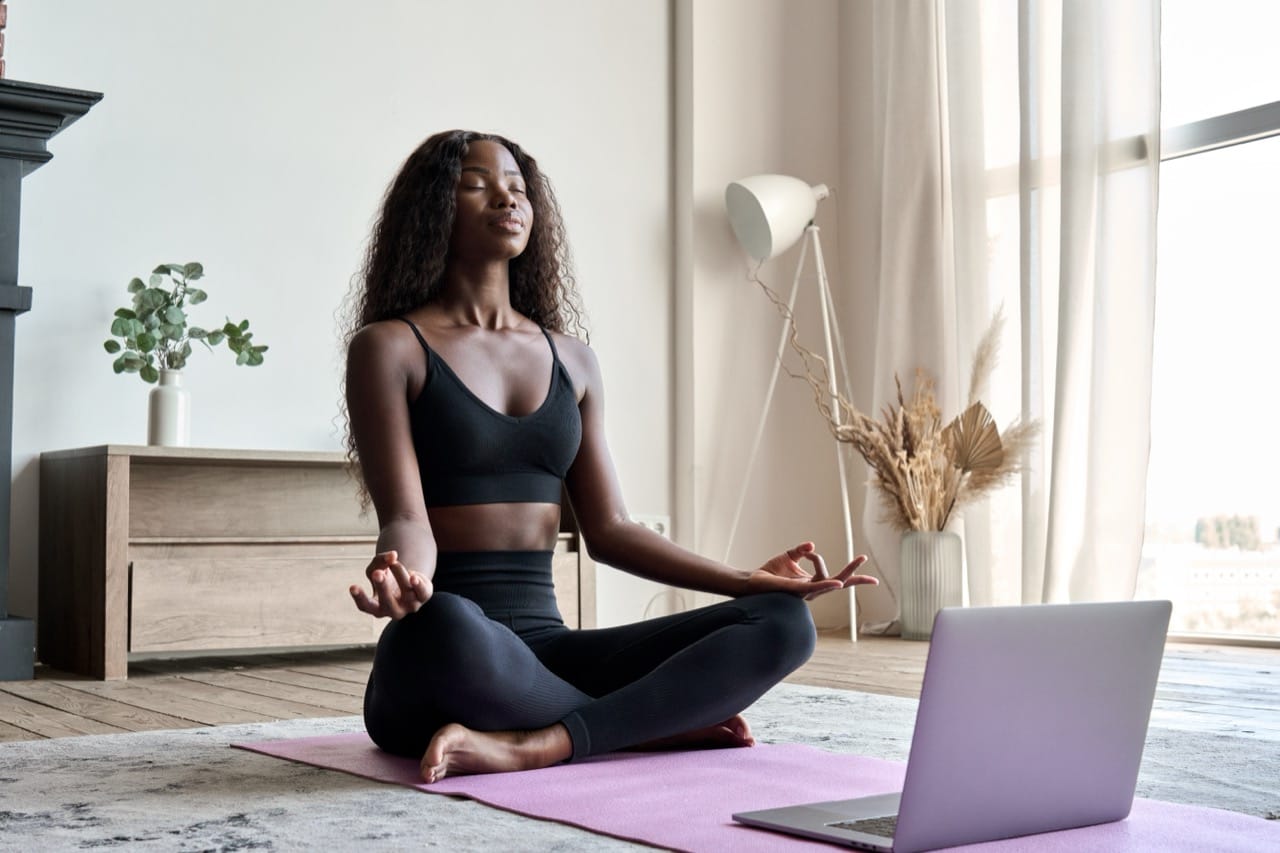
Stress biology is where simple practices can have outsized effects. Slow breathing, especially with a longer exhale, can nudge the body toward a calmer state by engaging the parasympathetic nervous system. Meditation does not erase problems, but it can change how the brain responds to them, improving attention and reducing rumination for many people. The key is consistency and realism. A two-minute breathing break done daily can be more practical than an ambitious routine you abandon.
Holistic approaches deserve the same careful lens. Acupuncture has evidence for certain pain conditions and nausea, though results vary and placebo effects can be strong. That does not mean it is fake; it means context, expectation, and the therapeutic setting can influence outcomes. Aromatherapy may help with relaxation and sleep quality for some, likely through scent-linked brain pathways and ritual, but it is not a substitute for treating serious anxiety or insomnia.
Safety basics are where critical thinking becomes essential. Supplements can interact with medications. St Johns wort can reduce the effectiveness of many drugs by speeding up liver metabolism. High-dose biotin can distort lab test results. Even seemingly gentle herbs can affect blood clotting or blood pressure. Natural does not automatically mean safe, and more is not better.
Finally, watch for the difference between correlation and causation. If people who eat more fermented foods also sleep better, it might be the microbes, or it might be that those people also exercise more, drink less alcohol, or have better routines. Stronger evidence comes from randomized trials, but even then, results can be small and individual responses vary. The best wellness plan is less about finding a miracle hack and more about syncing good data with good habits, soothing your system with proven basics, and repeating what actually works for you.