Unwind IQ Stress and Self Care Trivia Next Level










Quiz Complete!
Unwind IQ: Stress and Self Care, Next Level Skills You Can Actually Use
Stress rarely announces itself with a siren. More often it slips in as a clenched jaw, shallow breathing, a shorter fuse, forgetfulness, or the feeling that you cannot stop checking your phone. Your body treats many everyday pressures like threats, releasing hormones such as cortisol and adrenaline to help you act fast. That response is useful in emergencies, but when it runs all day it can disturb sleep, tighten muscles, raise blood pressure, and make it harder to focus or regulate emotions. One reason stress feels sneaky is that you can get used to it. People sometimes mistake constant tension for normal, until they finally rest and realize how exhausted they have been.
A powerful self care move is learning to downshift your nervous system on purpose. Slow breathing is one of the quickest tools because it directly influences your heart rate and the vagus nerve. A simple approach is to inhale gently through the nose, then exhale a little longer than you inhaled. Even a few minutes can reduce the intensity of racing thoughts. Another option is the physiological sigh: two short inhales through the nose followed by a long exhale. It is not magic, but it can quickly take the edge off so you can think clearly.
Sleep is often treated like a luxury, yet it is more like maintenance for your brain and immune system. When sleep is short or irregular, stress sensitivity rises and cravings often increase. If you cannot fall asleep because your mind is loud, try a wind down routine that signals safety and predictability: dim lights, reduce scrolling, and do the same small steps nightly. Caffeine timing matters too. Many people metabolize caffeine slowly enough that an afternoon coffee can still disrupt sleep. If you want a low effort experiment, try cutting off caffeine earlier and notice changes in mood and patience.
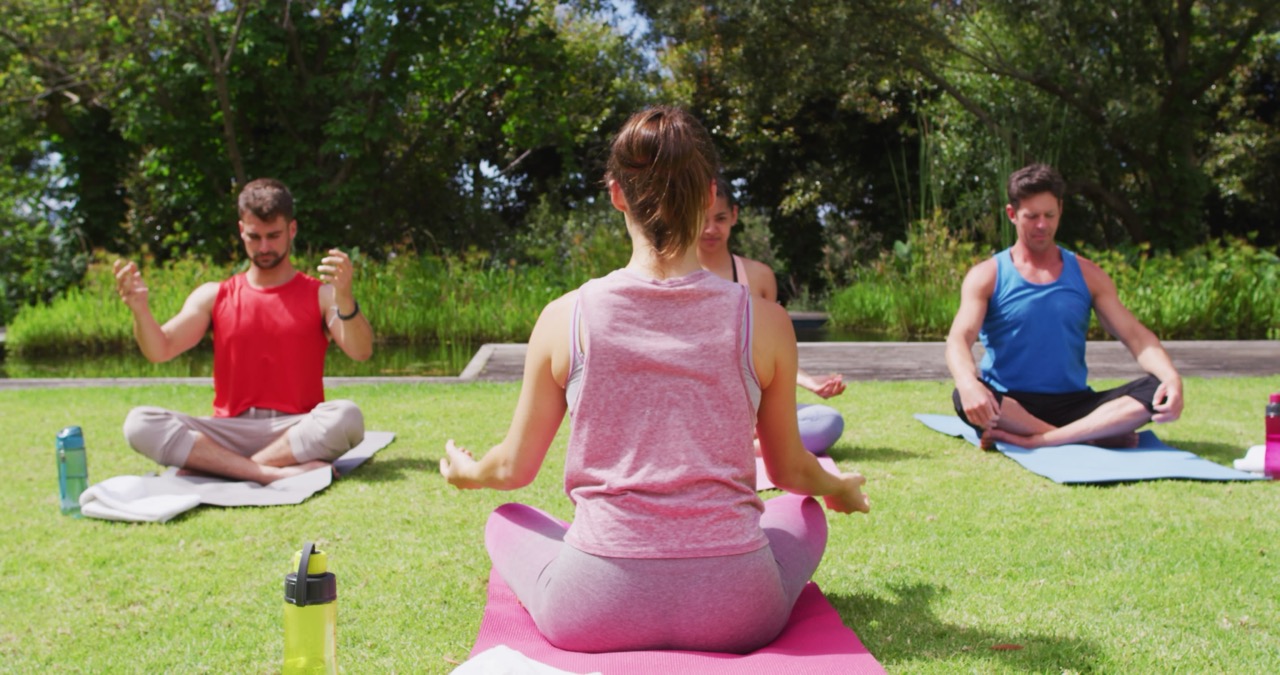
Movement is another underrated stress tool because it gives your body a place to put the activation. You do not need intense workouts. A brisk walk, gentle stretching, or a few minutes of bodyweight exercises can reduce muscle tension and improve sleep quality. Research consistently supports that regular physical activity helps with anxiety and depression symptoms, partly by improving sleep and partly by changing how the brain responds to stress. The best plan is the one you will repeat, not the one that looks impressive.
Self care also includes boundaries, which are less glamorous than candles but far more protective. Boundaries are not about controlling other people; they are about clarifying what you will do. For example, instead of saying, Please stop messaging me late at night, you might say, I respond to work messages between 9 and 6. This reduces resentment and decision fatigue. If you struggle with people pleasing, start small. One declined request can be a form of self respect, not selfishness.
Social support is a stress buffer, but it works best when it is specific. Rather than saying, I am stressed, try, Can you listen for ten minutes, or Can you help me think through one next step. Connection can regulate the nervous system, and feeling understood often reduces the urge to numb out with doomscrolling or mindless snacking. Speaking of scrolling, your brain reacts strongly to novelty and threat, which is why bad news can feel impossible to ignore. Setting limits is not avoidance; it is attention hygiene.
Finally, next level self care includes knowing when to get professional help. If stress is causing panic attacks, persistent low mood, substance misuse, or interfering with work, relationships, or basic functioning, it is worth talking to a clinician. Therapy can teach skills, not just explore feelings, and medication can be appropriate for some people. The goal is not to eliminate stress forever. It is to build a flexible toolkit so that when life gets loud, you know how to steady yourself, protect what matters, and recover faster.