
Brew Truths Coffee Myths You Still Believe







Quiz Complete!
Brew Truths: The Science Behind Coffee Myths
Coffee has a talent for collecting legends. Somewhere between the first comforting sip and the last drop in the cup, people pick up rules and warnings that sound scientific but rarely are. A lot of coffee myths begin with a grain of truth, then get repeated until they become “facts.” The good news is that the real story is usually more interesting than the folklore.
One of the most stubborn claims is that coffee dehydrates you. Caffeine is a mild diuretic, meaning it can increase urine output, especially if you rarely drink it. But for regular coffee drinkers, the body adapts. The water in your mug still counts toward your daily fluid intake, and moderate coffee consumption does not typically lead to dehydration. If coffee makes you run to the bathroom, that does not automatically mean you are drying out; it often just means your bladder noticed.
Another popular misconception is that espresso is “stronger” than drip coffee in every way. Espresso tastes intense because it is concentrated, but strength depends on what you mean. Ounce for ounce, espresso usually has more caffeine than brewed coffee, but servings are much smaller. A single shot often contains less total caffeine than a standard mug of drip coffee. The punchy flavor is more about extraction and concentration than a guaranteed caffeine overload.
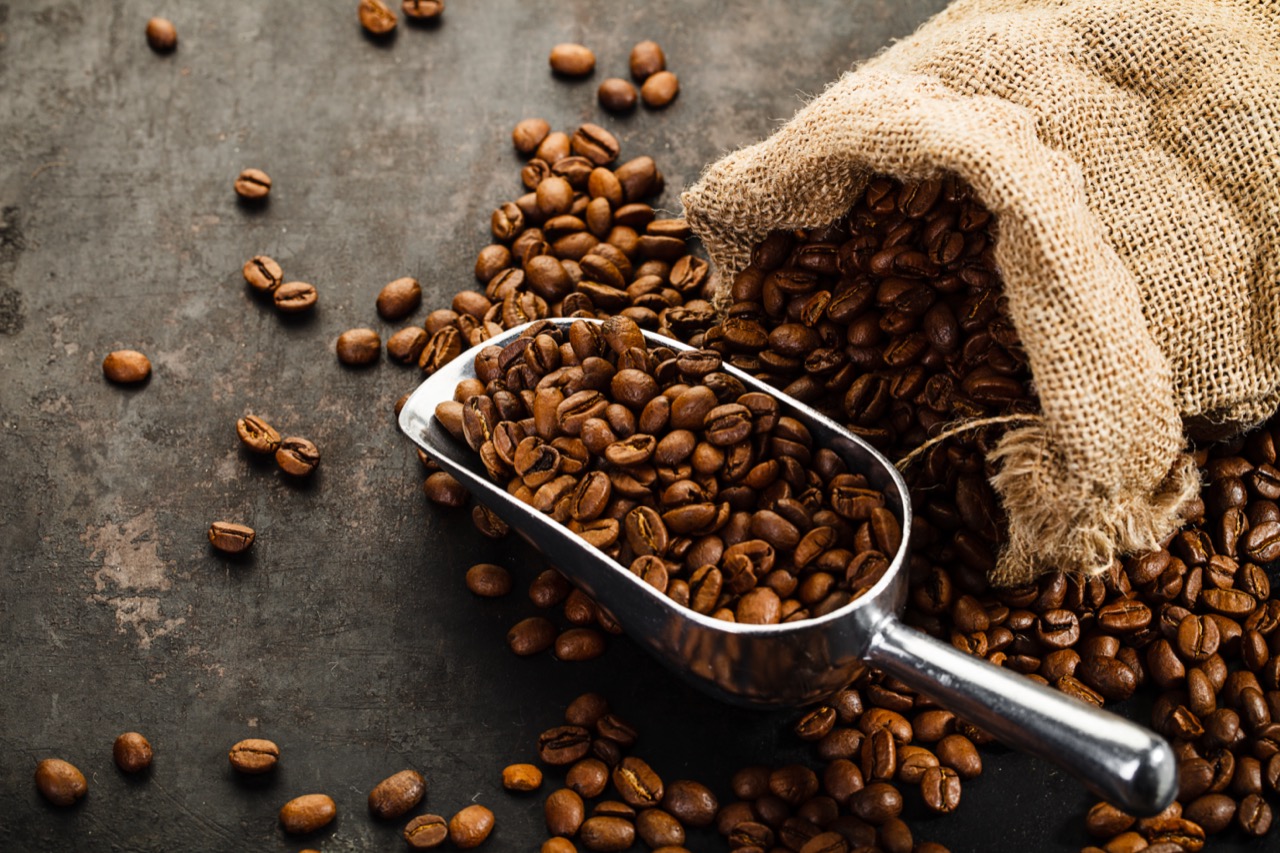
Roast level adds another layer of confusion. Many people assume dark roasts have more caffeine because they taste bolder. In reality, caffeine is fairly stable during roasting, and the difference between light and dark is small. If you measure by scoops, light roasts can even end up with slightly more caffeine because the beans are denser. Dark roasts taste “strong” because roasting creates smoky, bitter, and chocolatey notes, not because the bean is supercharged.
Decaf is also misunderstood. It is not caffeine free; it is caffeine reduced. Depending on the beans and process, a cup of decaf can still contain a small but noticeable amount of caffeine. For most people this is fine, but if you are extremely sensitive or avoiding caffeine for medical reasons, it helps to know that “decaf” is more like “low caf.”
Timing myths thrive too, like the idea that you must wait a set number of minutes after waking to drink coffee or you will “crash.” It is true that hormones involved in alertness change after waking, and some people feel better delaying caffeine. But there is no universal rule. Your sleep quality, genetics, tolerance, and schedule matter more than a strict clock. If you consistently feel jittery or drained, adjusting timing and dose is smarter than following a one size fits all commandment.
Coffee and sleep have a clearer relationship. Caffeine blocks adenosine, a chemical that helps you feel sleepy, and it can linger for hours. Even if you fall asleep, caffeine can reduce sleep depth for some people. The myth is that you can always “sleep it off” the same way. A better approach is to treat caffeine like a tool: helpful in the morning or early afternoon, risky late in the day, and highly personal.
Digestion myths are mixed. Coffee can stimulate the gut and may trigger reflux or stomach discomfort in some people, especially on an empty stomach. But it does not automatically cause ulcers, and for many it simply encourages regularity. If coffee bothers your stomach, changing brew method, choosing a different roast, reducing dose, or adding food can make a bigger difference than swearing off coffee forever.
The real truth behind most coffee folklore is that your body is part of the recipe. The bean, roast, grind, and brew method matter, but so do your habits and sensitivity. Coffee is not a magical villain or a miracle cure. It is a fascinating beverage with real chemistry, and the best cup is the one that tastes good and leaves you feeling good after the last sip.