Omens, Oddities, and Your Inner Deity: A Fun-Fact Personality Quiz





Omens, Oddities, and Your Inner Deity: What Mythic Trivia Reveals About You

Myths are full of details that feel strangely specific, like a story is winking at you across centuries. A goddess steps out of sea foam already radiant and fully formed. A newborn messenger invents an instrument before he can even be properly scolded. A trickster wins by losing, or loses on purpose to win later. A guardian speaks in riddles because plain speech would be too easy and too dangerous. These oddities are not just decorative weirdness. They are clues about how ancient people explained personality, luck, rules, and the unsettling feeling that coincidence might mean something.
Take the sea foam birth. In Greek tradition, Aphrodite is often linked to the sea and to sudden emergence, the kind of beauty or desire that arrives without warning and rearranges priorities. Sea foam is unstable and temporary, yet it appears in bright, unmistakable patterns. As a symbol, it suggests a personality that trusts first impressions and understands the power of timing and presentation. People who resonate with this kind of mythic origin often do well when they can inspire, soothe, or reframe a tense moment with charm. The shadow side is that what rises quickly can feel like it could vanish quickly, so the challenge becomes learning which feelings are waves and which are tides.
Now consider the day one inventor. Hermes, the Greek messenger, is famous for speed, mischief, and clever negotiation. One story has him inventing the lyre from a tortoise shell and then using it to smooth over trouble he caused. This is more than a fun anecdote about divine hobbies. It captures a real human talent: turning problems into prototypes. If you identify with the clever catalyst type, you may be the person who experiments, improvises, and finds an unexpected shortcut. You tend to treat rules as tools rather than walls. Your growth edge is learning when to slow down and when an elegant trick is not the same as a lasting solution.
Tricksters across cultures often operate by flipping expectations. In Norse myth, Loki is a master of shape shifting and social disruption, sometimes helping the gods and sometimes endangering them. In West African and Afro-Caribbean traditions, Anansi the spider wins with stories, patience, and strategic humility rather than brute force. Trickster logic can look like losing because it refuses the obvious battlefield. People drawn to this energy often excel at reading the room, spotting hidden incentives, and navigating power without announcing it. The shadow walking strategist type is not necessarily secretive for its own sake. It is attuned to the fact that not every truth is safe in every moment. The risk is cynicism or isolation, so the balancing skill is choosing allies and using strategy in service of something you genuinely value.
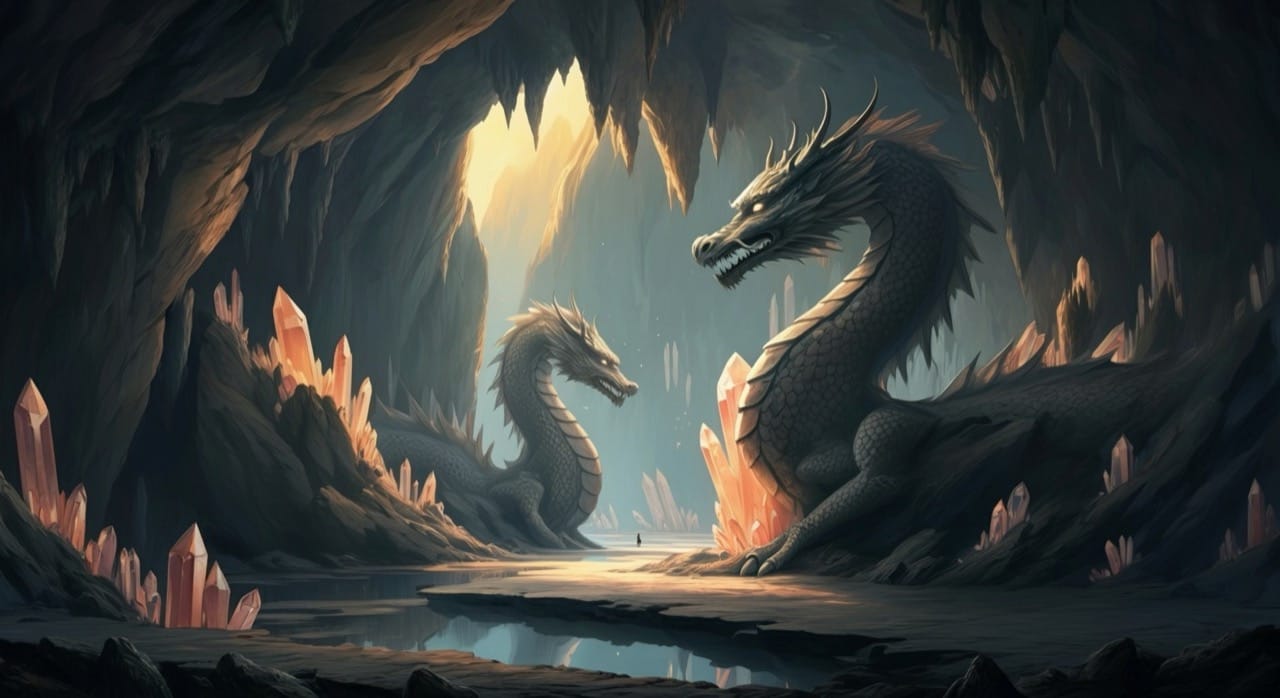
Then there are guardians and riddles. Many mythic protectors are not just strong; they are selective. Think of gatekeepers who test travelers, sphinxes who demand a riddle, or deities who protect cities by enforcing sacred boundaries. Riddles are a form of ethical technology: they force you to think before you pass. The steady protector type tends to be reliable, grounded, and good at building systems that keep people safe. You may prefer clear commitments and consistent routines, not because you fear change, but because you understand that chaos is expensive. Your challenge is avoiding rigidity and remembering that protection can include making room for growth.
What makes these stories feel personal is that they map onto instincts we all have: to dazzle, to improvise, to outmaneuver, or to safeguard. The quiz format works because it asks you to choose what feels like you when life turns symbolic or unexpectedly epic. When you notice an omen, you are really noticing your own pattern detector at work. Some people treat coincidences as prompts for creativity, others as warnings to slow down, others as puzzles to solve, and others as reminders to stay true to their principles.
Myths survive because they are flexible mirrors. You do not need to believe in literal sea foam births or divine trickery to learn from them. These tales are compressed psychology, telling you that power comes in multiple styles. When you recognize your inner deity trait, you get a playful vocabulary for your strengths and your blind spots, and a reminder that there are no wrong picks, only different ways to stay human when the world gets weird.