Cafes, Creators, and Coffee Legends Quiz









Quiz Complete!
Cafes, Creators, and Coffee Legends: How a Drink Became a Cultural Engine
Coffee culture is often treated like a daily routine, but its real story is closer to a long-running conversation that has moved from port cities to palace streets to modern counter service. Wherever coffee took root, it tended to bring people together in a way that changed how ideas spread. Coffeehouses became places where strangers could share space, read, argue, write, and watch the world, all while staying alert. That combination of stimulation and sociability helped turn the cafe into a kind of informal public square.
In Europe, the rise of coffeehouses in the seventeenth and eighteenth centuries created new meeting rooms for merchants, journalists, and political thinkers. London’s coffeehouses were sometimes called penny universities because, for the price of a cup, you could hear news, debate, and gossip. On the continent, the grand coffeehouses of Vienna developed a style that still shapes cafe life: lingering at a table, reading papers, and treating the cafe as an extension of the living room. Parisian cafes later became famous for writers and artists who turned a seat by the window into an office. The point was not just the beverage, but the permission to spend time.
Many celebrated creators built routines around coffee. Writers have long used cafes as a way to impose structure on an unstructured job, showing up each day to produce pages amid background noise. The cafe offers a paradoxical mix of privacy and company: you are alone with your work, but not isolated. That atmosphere has been linked to everything from literary movements to political organizing. Even when the stories become romanticized, the practical truth remains that cafes offered affordable warmth, light, and a steady flow of human material for observation.
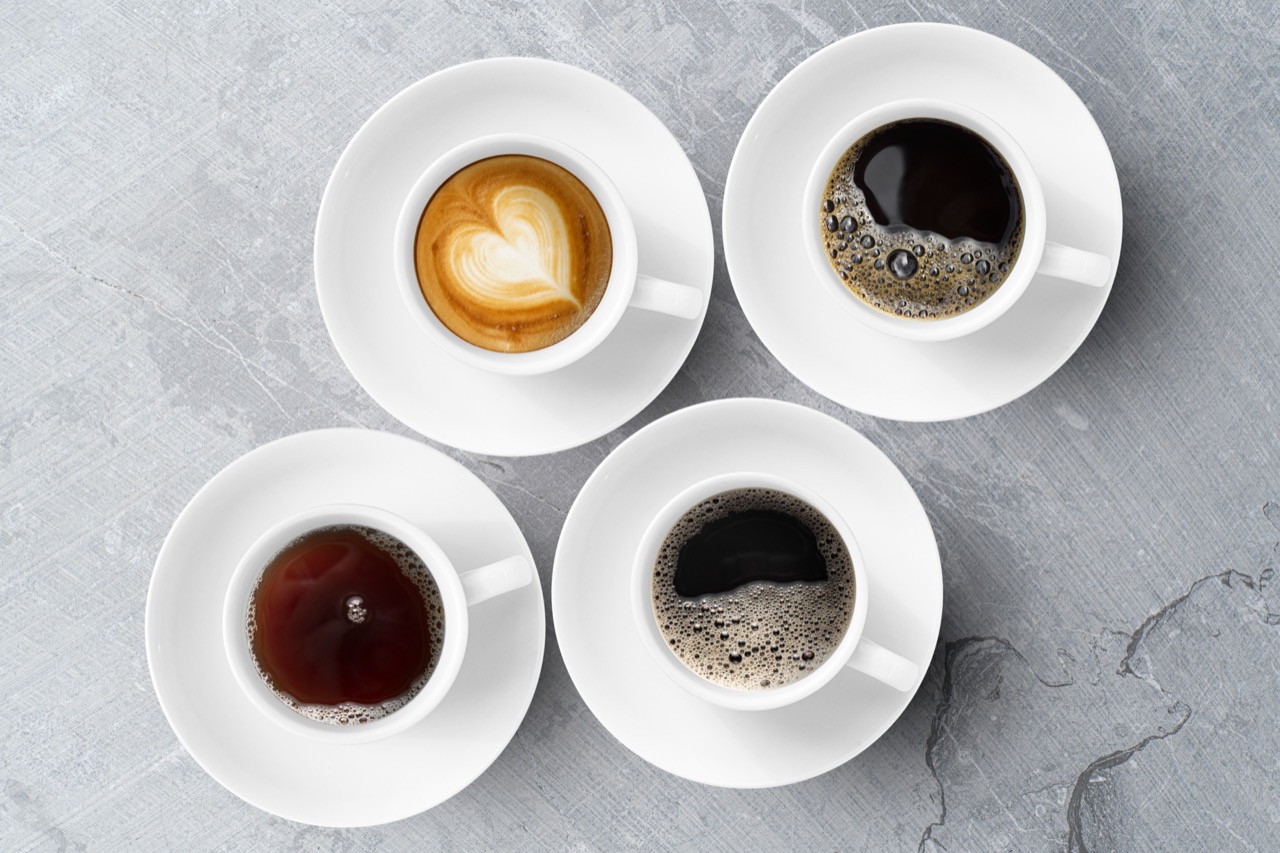
The drink itself also evolved through invention and standardization. Espresso is not simply strong coffee; it is a method that uses hot water under pressure pushed through finely ground coffee to produce a concentrated shot with a layer of crema on top. Italy’s espresso bars popularized the idea of drinking quickly at the counter, a different rhythm from the long-stay European salon. The cappuccino, meanwhile, is defined by balance: espresso, steamed milk, and milk foam working together so the drink tastes rich but not heavy. Small details matter, like milk texture and temperature, because they change sweetness and mouthfeel without adding sugar.
Brewing science helps explain why coffee can taste wildly different from one cafe to another. Grind size controls how fast water extracts flavor. Water that is too hot can pull harsh bitterness, while water that is too cool can leave coffee thin and sour. Freshness matters because roasted coffee releases aromatic compounds over time, and ground coffee loses them even faster. Even the mineral content of water influences extraction, which is why some cafes treat water as carefully as they treat beans.
Modern cafe chains added a new chapter by making espresso-based drinks familiar across cities and countries. Places like Seattle helped popularize the idea of customizing milk, sweetness, and size, turning coffee into a personal order and a portable habit. At the same time, independent cafes and specialty roasters pushed attention back toward origin, processing methods, and ethical sourcing, reminding drinkers that coffee is an agricultural product tied to climate, labor, and trade.
From Vienna and Paris to Italy and the Pacific Northwest, the cafe remains a stage for everyday life. It can be a workshop for creators, a shelter for conversation, and a laboratory for taste. Knowing the legends, the inventions, and the little rules of drinks like cappuccino makes each cup feel connected to a much larger story.