
Caffeine Chemistry Meets Coffee Personality Quiz








Quiz Complete!
Caffeine Chemistry Meets Coffee Personality: How Science Shapes Your Cup
Coffee feels personal because it is. Two people can use the same bag of beans and swear they taste different drinks, and both can be right. The reason sits at the intersection of chemistry, tools, and the habits you bring to the counter each morning. Whether you are a ritual-driven brewer who loves the calm of a familiar routine, a data-obsessed dial-in expert chasing repeatable perfection, an espresso minimalist who wants intensity without fuss, or a milk-and-syrup experimenter who treats coffee like a flavor playground, the science is quietly working in your favor when you understand a few basics.
Start with extraction, the process of dissolving flavorful compounds from ground coffee into water. Coffee contains acids, sugars, aromatics, and bitter compounds that dissolve at different rates. Under-extraction often tastes sour or thin because the faster-dissolving acids show up before enough sweetness and depth arrive. Over-extraction can taste harsh or drying as more bitter and astringent compounds dominate. A practical way to think about it is balance: you want enough extraction for sweetness and body, but not so much that bitterness overwhelms.
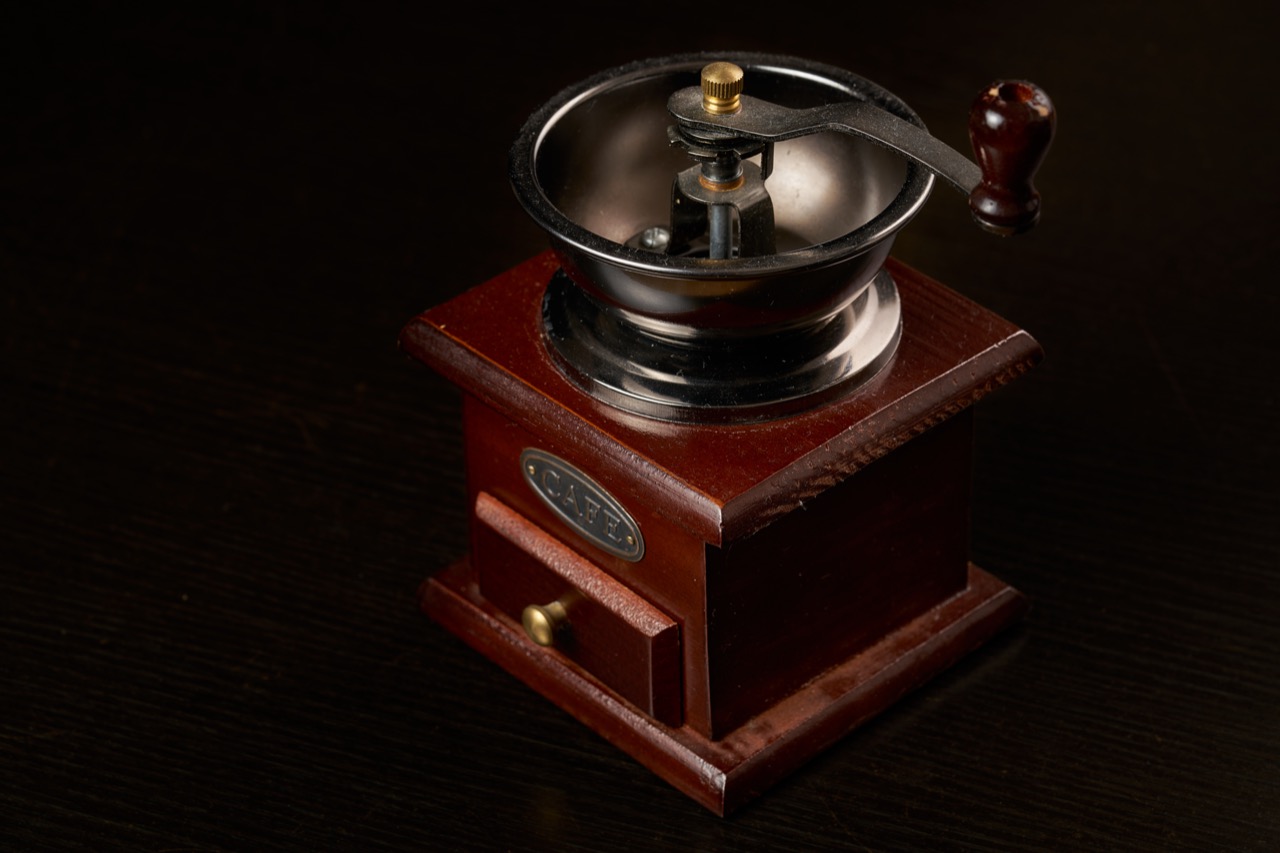
Grind size is one of the biggest levers because it controls surface area. Finer grinds expose more coffee to water and speed extraction, while coarser grinds slow it down. But uniformity matters as much as average size. A grinder that produces lots of dust-like fines alongside larger pieces can create a confusing mix of over- and under-extracted flavors. Burr grinders are popular because they tend to make more consistent particles than blade grinders, which chop randomly. If you have ever wondered why your coffee sometimes tastes both sharp and bitter at once, uneven grinding is a common culprit.
Roast chemistry adds another layer. During roasting, heat drives Maillard reactions and caramelization, creating hundreds of aroma compounds and turning raw, grassy flavors into the familiar coffee spectrum. Lighter roasts often preserve more of the bean’s original acids and fruity notes, while darker roasts emphasize roast-derived flavors and can reduce perceived acidity. Roasting also changes solubility. Darker roasts are generally easier to extract because their structure is more brittle and porous, which is one reason they can taste strong even with shorter brew times.
Water is the hidden ingredient most people overlook. Coffee is mostly water, and the minerals in it act like tiny helpers that pull flavor molecules into solution. If your water is too soft, coffee can taste flat or oddly sharp; too hard, and it can taste muted or chalky. Many home brewers find a sweet spot with moderate mineral content and a neutral smell. Temperature matters too: hotter water extracts faster, but extremely high temperatures can push bitterness, especially with finer grinds. If your brew tastes dull, slightly hotter water or a finer grind may help; if it tastes harsh, try the opposite.
Espresso turns all of this into a high-pressure puzzle. Because water is pushed through a compact puck quickly, small changes in dose, grind, and distribution make big differences. Pressure profiling, where the machine changes pressure during the shot, can shape texture and sweetness by managing how water flows through the puck. A minimalist might love the directness of a classic shot, while a dial-in expert might enjoy tracking shot time, yield, and flow to chase clarity or syrupy body.
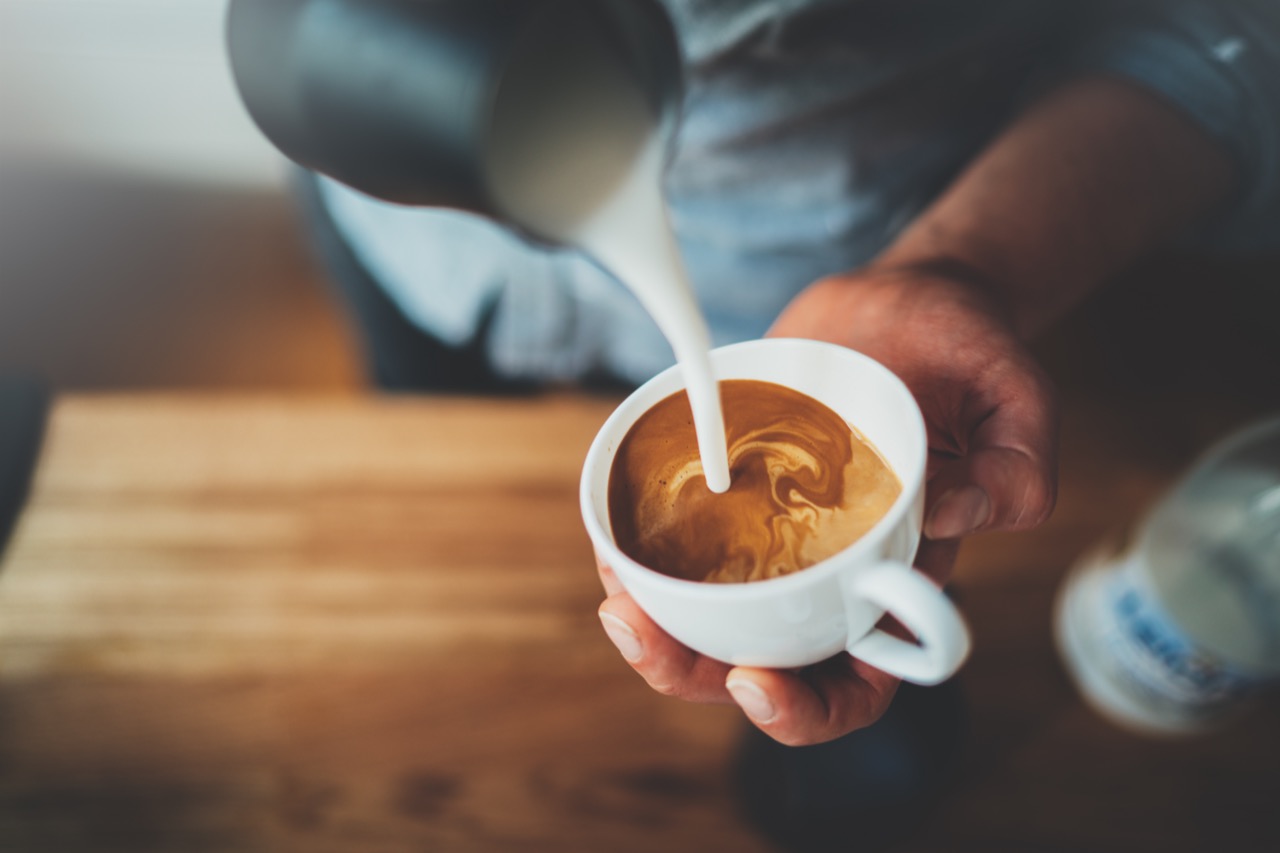
Milk and syrups are not just add-ons; they are chemistry too. Milk proteins soften bitterness and bind with some compounds, while fat carries aromas and adds a creamy texture. Syrups amplify sweetness, which can make darker roasts feel smoother and fruitier coffees taste like dessert. If you like experimenting, try adjusting coffee strength before adding milk rather than simply pouring more syrup. Often, a slightly higher coffee dose or a finer grind creates a richer base that needs less sweetener.
The surprising truth is that your cup can swing from bright to flat with tiny changes: a grinder warming up and shifting particle size, beans aging and losing aromatics, or a small difference in water temperature. The good news is that every personality type can use the same core tools: taste, observe, adjust one thing at a time, and enjoy the fact that coffee is both a daily comfort and a small, delicious science experiment.