
Espresso Origins and Coffee Breakthroughs Quiz






Quiz Complete!
Espresso Origins and Coffee Breakthroughs That Changed How the World Wakes Up

Coffee’s story is a chain of small breakthroughs that quietly rewired daily life. Long before espresso became a menu staple, coffeehouses spread across the Middle East and Europe as places to trade news, debate politics, and do business. In many cities they were called penny universities because a small cup bought access to conversation and information. That social role never really disappeared; it simply moved from smoky rooms to bright cafes with Wi Fi.
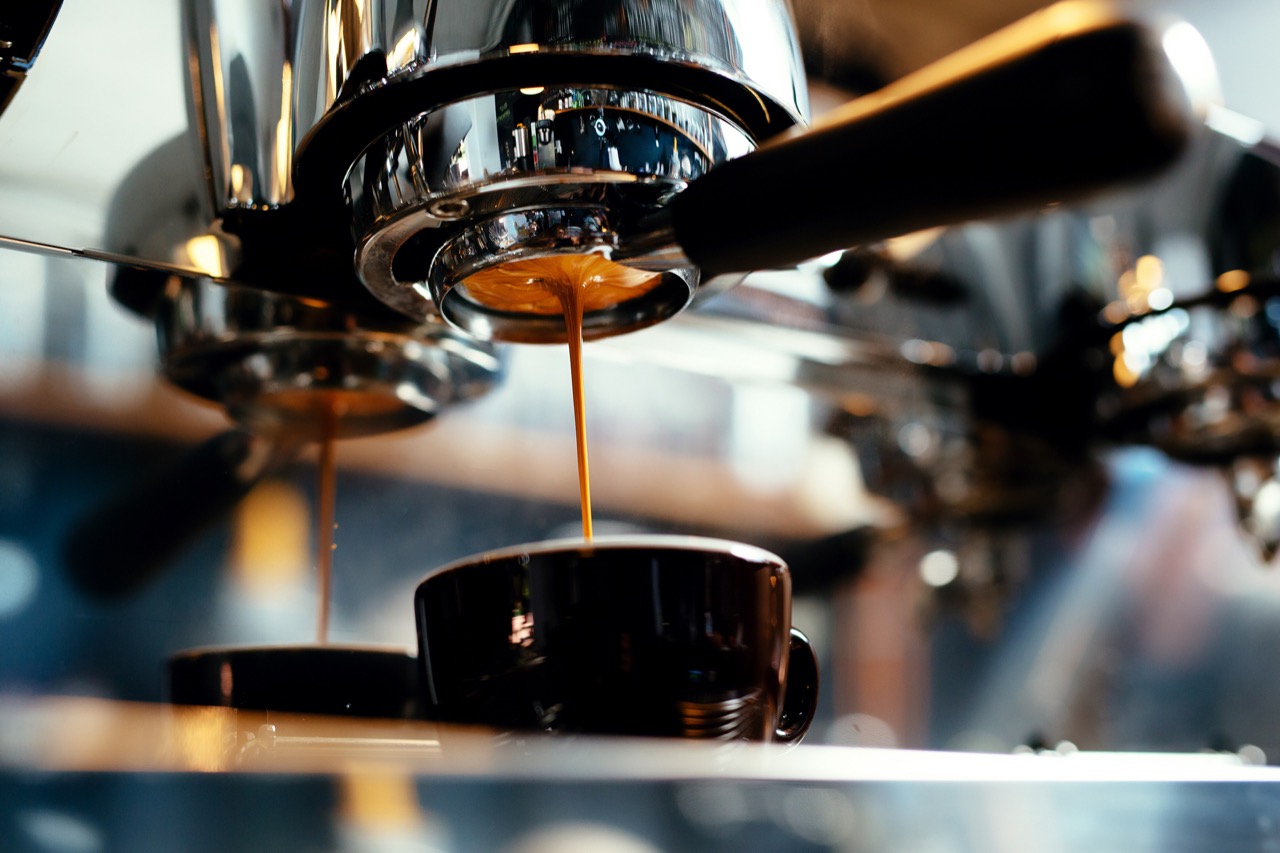
Espresso arrived when inventors began using pressure to speed up brewing and intensify flavor. Early machines in the late 1800s and early 1900s were designed for speed and spectacle, using steam pressure and later pumps to force hot water through finely ground coffee. The word espresso hints at both pressed and made to order. Modern espresso relies on stable high pressure, controlled temperature, and a tight puck of grounds. When those variables line up, the result is a concentrated drink with a signature layer of crema.
Crema is often treated like a badge of quality, but it is really a foam formed by emulsified oils and trapped gases. Freshly roasted coffee contains carbon dioxide produced during roasting. Under espresso pressure, that gas dissolves and then rapidly escapes into tiny bubbles as the liquid hits lower pressure in the cup. Oils and fine particles stabilize the foam, giving crema its hazelnut color and silky texture. Crema alone does not guarantee great espresso, but a thin or quickly vanishing crema can hint at stale beans, too coarse a grind, or an under extracted shot.
Grind size is the quiet lever behind most coffee arguments because it controls how quickly water can pass through the coffee bed. Too fine and the shot can choke, tasting bitter and harsh. Too coarse and water rushes through, producing a thin, sour cup. Espresso is especially sensitive because it extracts quickly. That is why small adjustments, sometimes just a fraction of a millimeter on a grinder, can change flavor dramatically.
Not every breakthrough involved high pressure. The paper filter, popularized in the early 1900s, made cleaner coffee by trapping oils and sediment that cloth filters often let through. It also made brewing more consistent and convenient, helping drip coffee become a household standard. Instant coffee took convenience even further. Early versions existed in the early 1900s, with major improvements during the 1930s and wartime years when shelf stability mattered. Today’s instant coffees often use spray drying or freeze drying to preserve more aroma than earlier methods.
Home coffee culture was transformed by the moka pot, invented in 1933 by Alfonso Bialetti. It looks like a small metal tower, but its design is a clever pressure system powered by the stove. Water in the bottom chamber heats and builds pressure, pushing water up through a basket of grounds into the top chamber. It does not reach true espresso pressure, but it produces a strong, rich brew that helped espresso style coffee become an everyday habit in many households.
Cold brew is another example of technique shaping taste. It is brewed with cold or room temperature water over many hours, which extracts fewer acidic compounds and creates a smoother, often sweeter profile. Iced coffee is usually hot brewed coffee that is cooled down and poured over ice. That difference matters because hot brewing extracts quickly and can highlight brightness and aroma, while cold brewing emphasizes chocolatey, mellow notes. Both can be delicious, but they are not interchangeable.
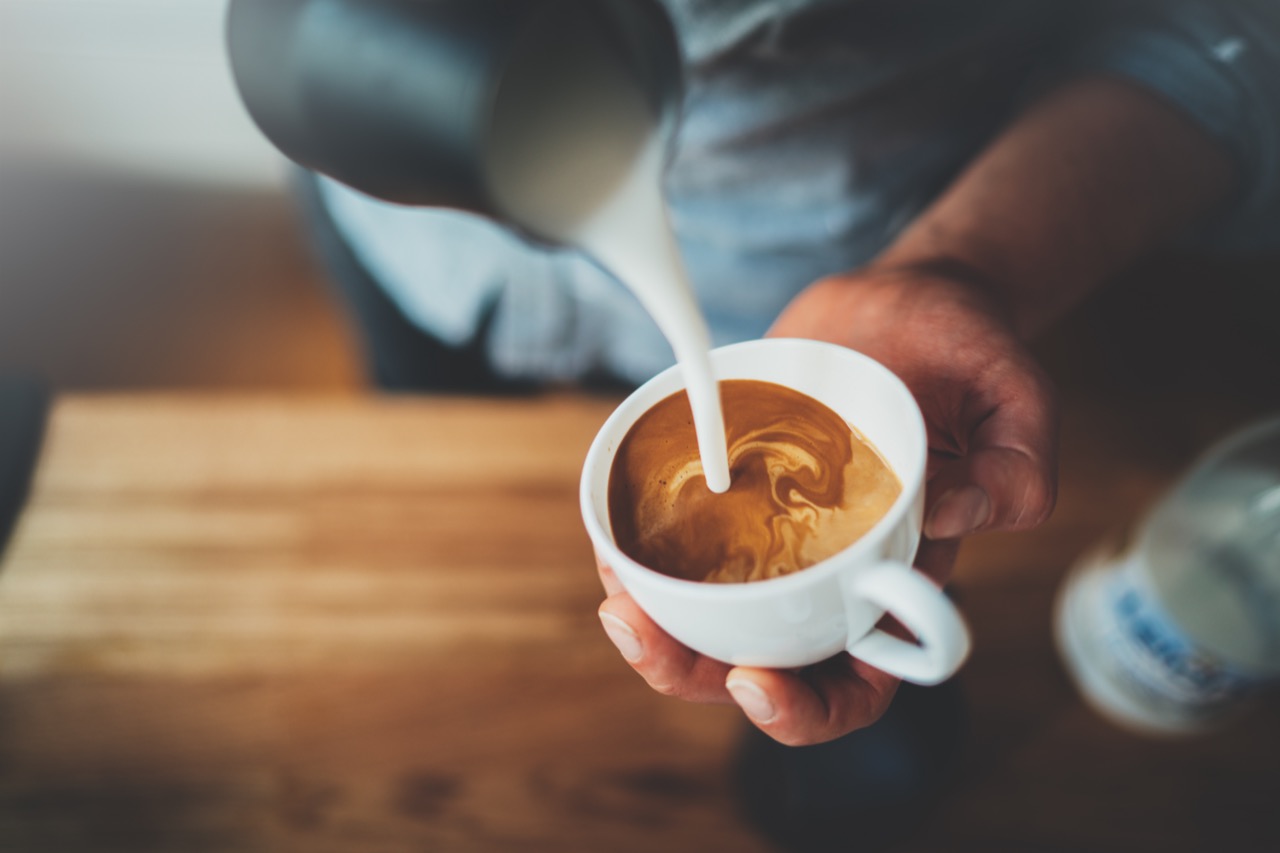
Some drinks became global through local traditions. The flat white is closely associated with Australia and New Zealand, where it took off as a velvety espresso and milk drink with a thin layer of microfoam. It sits between a latte and a cappuccino in texture, focusing on glossy milk rather than thick foam. Microfoam itself is a technical achievement: steaming milk to create tiny, uniform bubbles that add sweetness and body without feeling airy.
From coffeehouses that shaped commerce to machines that harness pressure and filters that clarified flavor, coffee history is really the history of practical inventions meeting human routine. Every cup carries a little chemistry, a little engineering, and a lot of culture, which is why coffee can be both a simple morning ritual and an endless subject for curious debate.