From Mocha to Macchiato Through the Ages









Quiz Complete!
From Mocha to Macchiato: How Coffee Became a Global Ritual
Coffee feels timeless, but the way we drink it today is the result of centuries of travel, argument, invention, and social change. Most stories begin in the highlands of Ethiopia, where coffee grew wild and was likely first used as a stimulating food or drink in local communities. By the 1400s and 1500s, coffee cultivation and a recognizable coffee beverage were firmly established across the Red Sea in Yemen. The port city of Mocha became so closely linked with the trade that its name still echoes in modern menus, even though today a mocha usually means coffee mixed with chocolate.
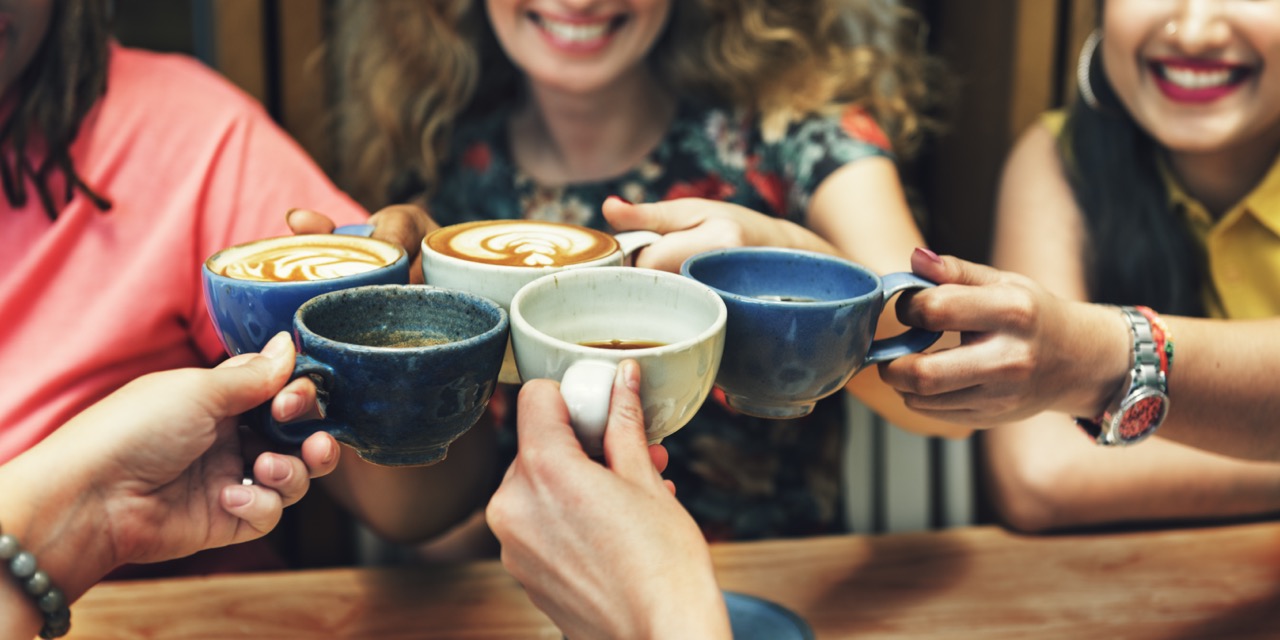
As coffee moved through the Islamic world, it quickly became more than a beverage. It was tied to late night conversation, music, and study, especially in the first coffeehouses that appeared in cities such as Mecca, Cairo, and Istanbul. These places offered something new: a public space where people could gather without needing an invitation to a private home. That power made authorities nervous. Coffeehouses were periodically banned, sometimes for religious reasons, sometimes because leaders feared they encouraged dissent. The bans rarely lasted. People kept drinking coffee, and coffeehouses kept returning, suggesting that the habit had already become a social need.
In the 1600s, coffee reached Europe through trade routes linking the Ottoman Empire, Venice, and other port cities. Early European reactions ranged from suspicion to fascination. There are famous stories about coffee being called the bitter invention of outsiders until prominent figures endorsed it. Whether or not every tale is perfectly true, the pattern is: once coffee arrived, it spread quickly. By the late 1600s and early 1700s, coffeehouses in London, Paris, and Vienna had become hubs for news, debate, and business. In England they were sometimes called penny universities because, for the price of a cup, a person could listen to arguments about politics, science, and commerce. Some institutions that shaped modern life grew from these spaces, including insurance and financial ventures that began as conversations at familiar tables.
Coffee also became entangled with empire and agriculture. European demand pushed cultivation into colonial territories with climates suited to coffee, including parts of the Caribbean, Central and South America, and Southeast Asia. This expansion brought wealth for some and harsh exploitation for others, a reminder that the history of a comforting drink can include uncomfortable realities. Over time, Brazil emerged as a dominant producer, and coffee became one of the world’s most traded commodities.
While coffeehouses shaped public life, innovations shaped the cup itself. In the 1800s, new roasting methods, packaging, and brewing devices helped standardize flavor and make coffee more widely available. Espresso, often associated with Italy, took off in the early 1900s as machines evolved to brew quickly under pressure, producing a concentrated drink topped with crema. Espresso bars encouraged a different rhythm: shorter visits, more frequent cups, and a culture of standing at the counter for a fast shot. Drinks built on espresso, including the macchiato, reflected an ongoing desire to balance intensity with texture and milk.
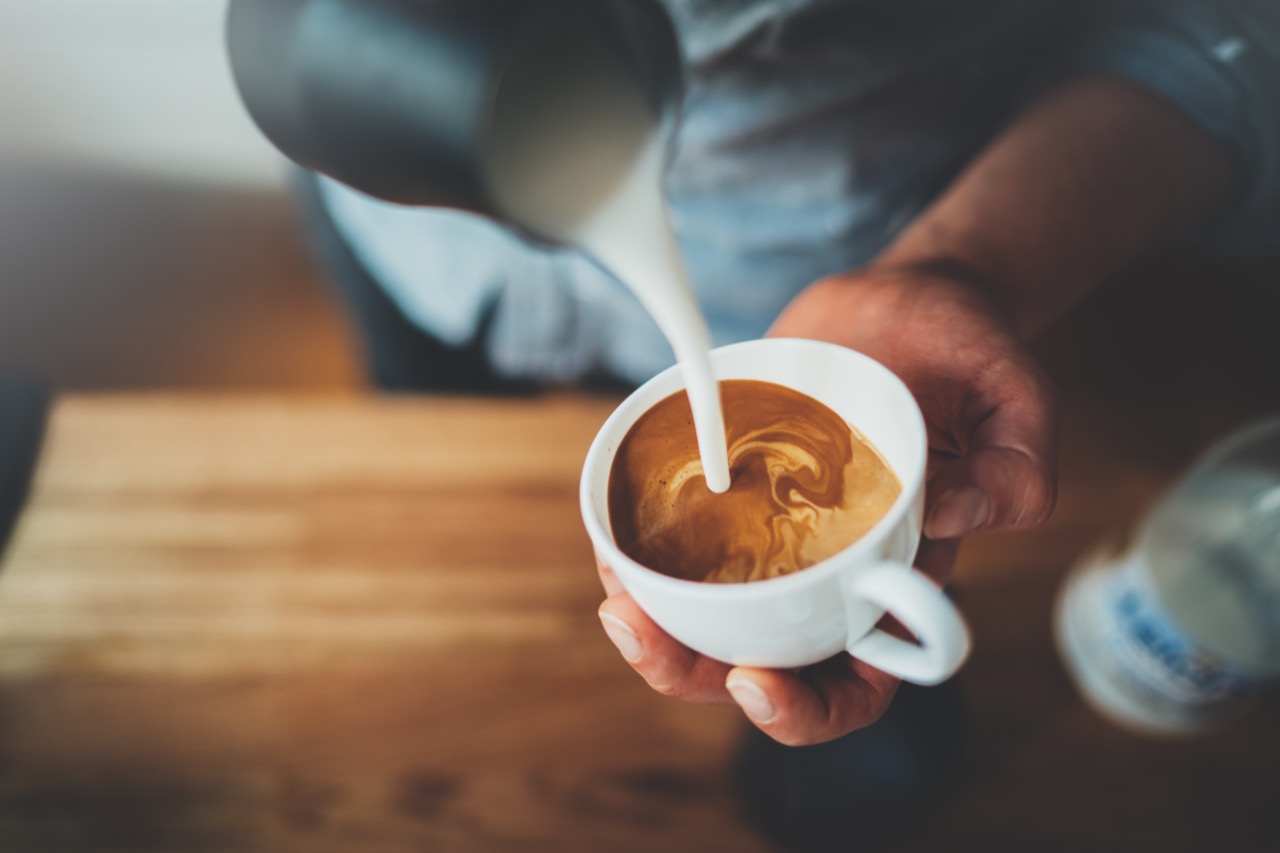
The 1900s also brought coffee into kitchens and battlefields through instant coffee, which traded some flavor for convenience and shelf stability. Later, mass-market brands and diner coffee made the drink a daily staple for millions. In recent decades, the specialty movement has pushed back toward transparency and craft, highlighting origin, processing methods, roasting styles, and brewing precision. Pour over, single origin menus, and careful milk steaming are modern expressions of an old idea: coffee is not only something you consume, but something you do, a ritual that turns time and place into experience. The next time you step into a cafe or brew at home, you are taking part in a story shaped by ports and palaces, bans and breakthroughs, and the simple human urge to gather around a warm cup.