Menu Mind-Reader: What Your Café Guessing-Game Order Says About You










Menu Mind-Reader: What Your Café Guessing-Game Order Says About You

Picture a café guessing game where a mysterious cup lands in front of you and the clock starts. You sniff, sip, glance at the menu, and try to name the drink before time runs out. It sounds like a small challenge, but it highlights how people deal with clues, uncertainty, and social pressure. Your approach often mirrors how you solve problems elsewhere: whether you rely on bold leaps, careful analysis, warmth and rapport, or playful experimentation.
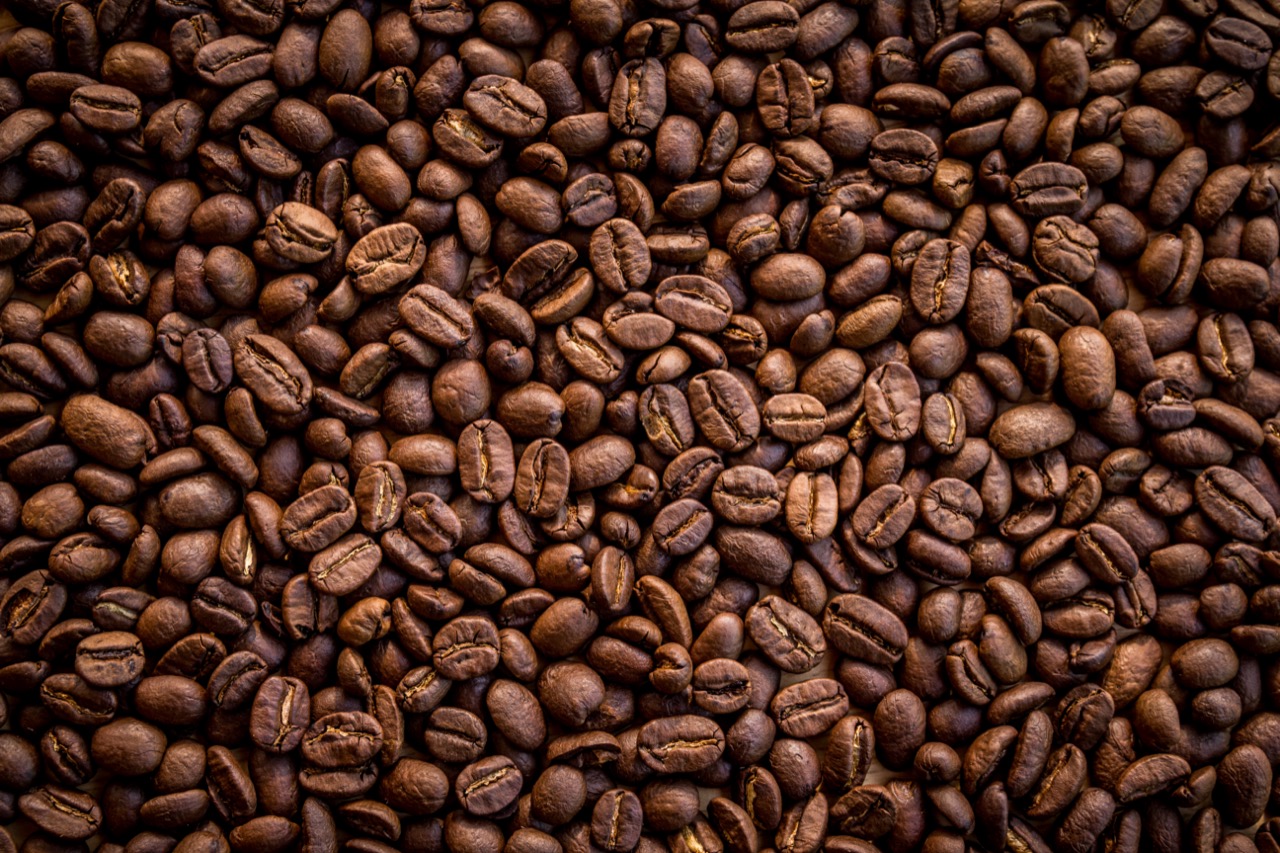
Most people begin with aroma because smell does a lot of the heavy lifting in flavor. Coffee aromas come from hundreds of volatile compounds released during roasting and brewing, and your nose can detect them faster than your tongue can sort out taste. A fruity, berry-like scent can hint at lighter roasts or certain origins, while smoky or cocoa notes can suggest darker roasting. Milk changes the picture by muting acidity and emphasizing sweetness, and syrups can create instantly recognizable cues, like vanilla’s soft, creamy aroma or hazelnut’s toasted edge. If you trust your first sniff and blurt out an answer, you may lean toward the bold risk-taker archetype: decisive, comfortable being wrong in public, and energized by the thrill of the guess.
Other players slow down and build a case. They notice temperature, texture, and aftertaste. Is the drink silky and thick, suggesting steamed milk? Is there a fine foam cap typical of a cappuccino, or a glossy microfoam more common in a latte? Does the coffee taste concentrated like espresso, or lighter like drip? They might look for signs of dilution that point to an americano, or the sharp, chilled clarity that suggests cold brew. This methodical approach fits the detail-driven decoder: someone who enjoys systems, patterns, and getting it right for the right reasons. Decoders often excel at customization clues too, recognizing the difference between oat milk’s cereal-like sweetness, almond milk’s nutty finish, and dairy’s richer mouthfeel.
Then there are players who treat the game as a social event. They ask the barista a friendly question, read the room, and notice what others ordered. They might guess based on the café’s vibe or the person who brought the drink over, turning the challenge into a shared moment rather than a solitary test. This is the cozy connector energy: attentive to people, sensitive to atmosphere, and good at using context. Connectors are often surprisingly accurate because humans are excellent at picking up subtle patterns in behavior and routine, like the regular who always orders the same caramel drink.
Finally, some people use the game as a playground. They taste, then imagine possibilities: maybe it is a mocha with an extra shot, or a chai latte with espresso, or a seasonal special with spice. They might even propose two or three answers, not to hedge, but because exploring options is part of the fun. That is the creative wildcard: curious, flexible, and unafraid of unusual combinations. Wildcards tend to notice novelty first, like unexpected spices, citrus notes, or a hint of salt that can make chocolate taste deeper.
Pressure changes everything. A ticking timer can push risk-takers into even faster guesses, decoders into overthinking, connectors into seeking reassurance, and wildcards into bolder experimentation. None of these is better; they are different strategies for handling uncertainty. The next time you play, pay attention to what you do in the first five seconds. Do you commit, analyze, connect, or invent? In a simple cup of coffee, you may find a surprisingly clear snapshot of how you navigate choices when the stakes are small but the clock is loud.