Percolator Paradoxes Coffee Links You Never Noticed









Quiz Complete!
Percolator Paradoxes: The Hidden Links in Everyday Coffee
Coffee can feel like the most straightforward ritual in the world: water meets ground beans, heat does its work, and a familiar aroma signals that the day can begin. Yet nearly every part of that routine is tied to wider stories about medicine, trade, language, and the way people share information. Once you start noticing the links, even a simple café order becomes a small history lesson.
One of the oldest coffee paradoxes is that it was once treated as a kind of medicine. Early European writers described coffee in the language of remedies, praising it for sharpening the mind and easing digestion. Long before modern nutrition labels, coffeehouses served as informal laboratories where people compared how the drink affected sleep, mood, and appetite. Today we talk about caffeine in milligrams, but the basic curiosity is the same: coffee is both comfort and stimulant, a daily pleasure that also acts on the body in measurable ways.
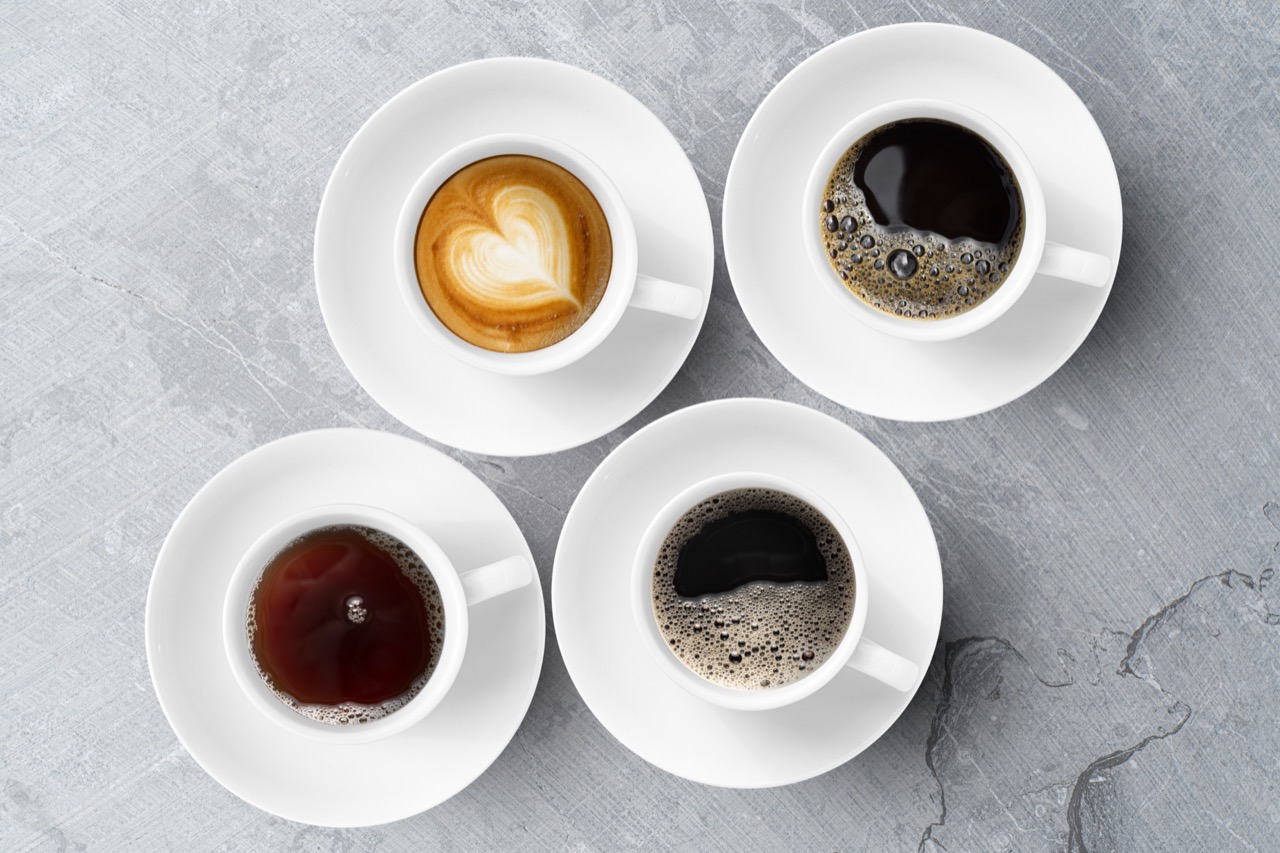
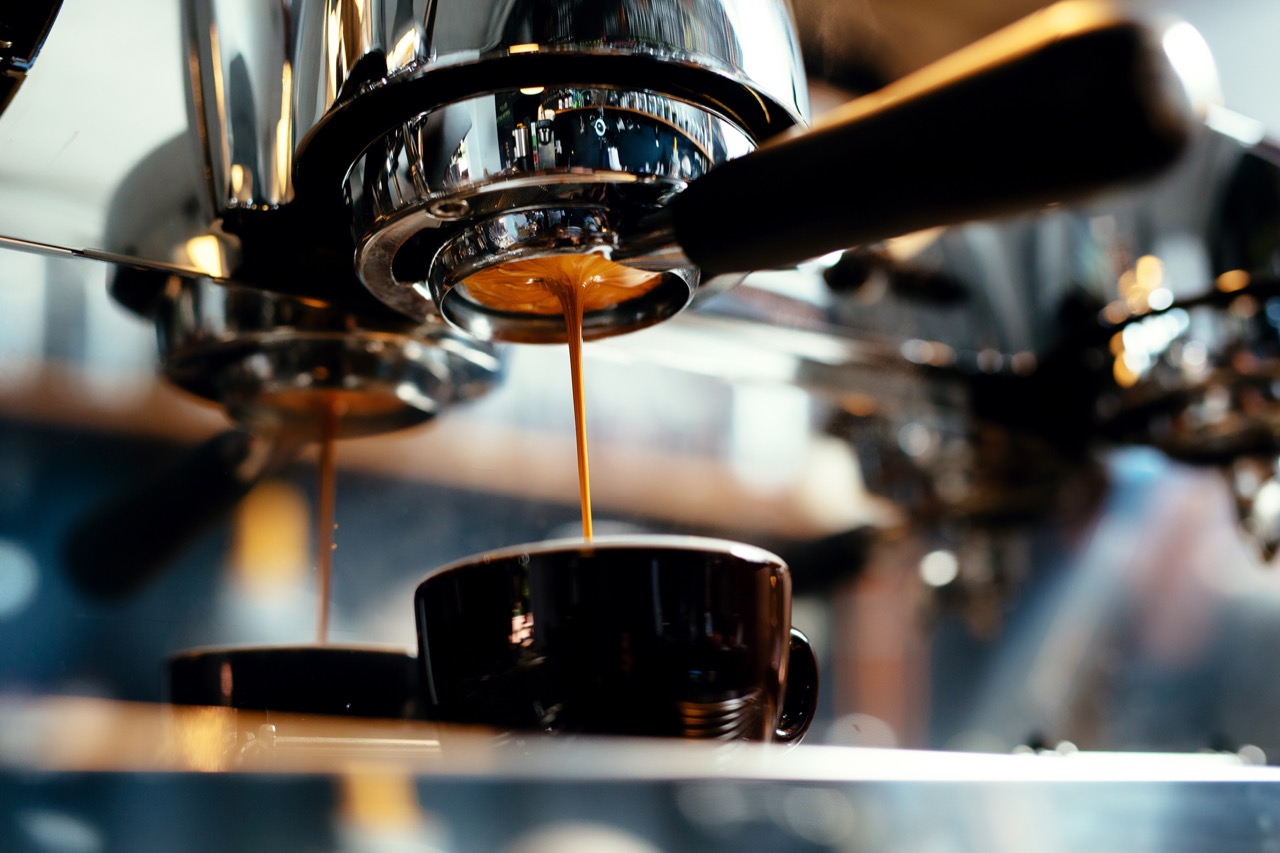
Foam is another detail many people see without thinking about why it matters. The golden crema on espresso is not just decoration; it is a sign of pressure and freshness. When hot water is forced through finely ground coffee under high pressure, gases and oils form a stable layer that traps aromas. Milk foam tells a different story. Steaming milk changes its proteins so they can hold tiny bubbles, creating a texture that carries flavor and heat differently than liquid milk. That is why a cappuccino feels lighter than a latte even when they share similar ingredients. Your tongue is reading physics.
Coffee names often hide geography and marketing in plain sight. Mocha began as a place name, linked to a port city that helped move coffee from producing regions to distant markets. Over time, the word drifted from a specific origin to a flavor association, especially once chocolate entered the picture. Many bean labels still trade on that old prestige, even when the coffee itself comes from elsewhere. Branding has always been part of the coffee world, from romantic origin stories to the invention of blends designed to taste consistent year-round.
Trade routes shaped coffee as much as taste did. Coffee traveled along maritime networks that also carried spices, textiles, and ideas. Ports became gateways not only for beans but for habits, equipment, and even words. The spread of coffeehouses across cities created a new kind of public space: not a private home, not a government hall, but a room where strangers could sit and talk. That social setting helped coffeehouses become centers of news and debate. In some places they were nicknamed penny universities because a small purchase could buy access to conversation, pamphlets, and the latest rumors.
Monastic routines also left their mark. In communities where schedules were strict and long hours of reading or prayer were expected, a drink that kept people alert fit neatly into daily discipline. Whether in monasteries or in later workplaces, coffee became a tool for managing time. The modern coffee break is a descendant of older patterns: brief pauses that reset attention and reinforce social bonds.
Even instant coffee carries hidden connections. It reflects industrial food science, wartime logistics, and the desire to make a complex product portable and predictable. The same impulse drives single-serve pods and ready-to-drink cans today. Convenience technologies often spark debates about flavor and authenticity, but they also show how coffee adapts to changing lives.
Once you notice these links, coffee stops being just a beverage and becomes a map. Foam points to chemistry, names point to ports and languages, and cafés point to the human need for shared spaces. The next time you hear the grinder start or see crema settle in a cup, you may catch yourself thinking not only about taste, but about the centuries of experiments, journeys, and conversations behind it.