
Roasts, Records, and Cafe Oddities






Quiz Complete!
Roasts, Records, and Cafe Oddities: The Surprising World Behind Your Cup

Coffee looks simple in a mug, but behind it sits a global culture full of precision, spectacle, and the occasional oddity. Some of the most talked about beans are famous not because they are everyday delicious, but because they are rare, difficult to produce, or surrounded by a story. Geisha, a variety associated with Panama and other origins, is known for floral, tea like aromatics and has fetched astonishing auction prices when a farm’s best lots are sold to collectors and elite cafes. These prices are not typical grocery store coffee; they reflect tiny quantities, meticulous processing, and a competitive market that treats top lots like fine wine.
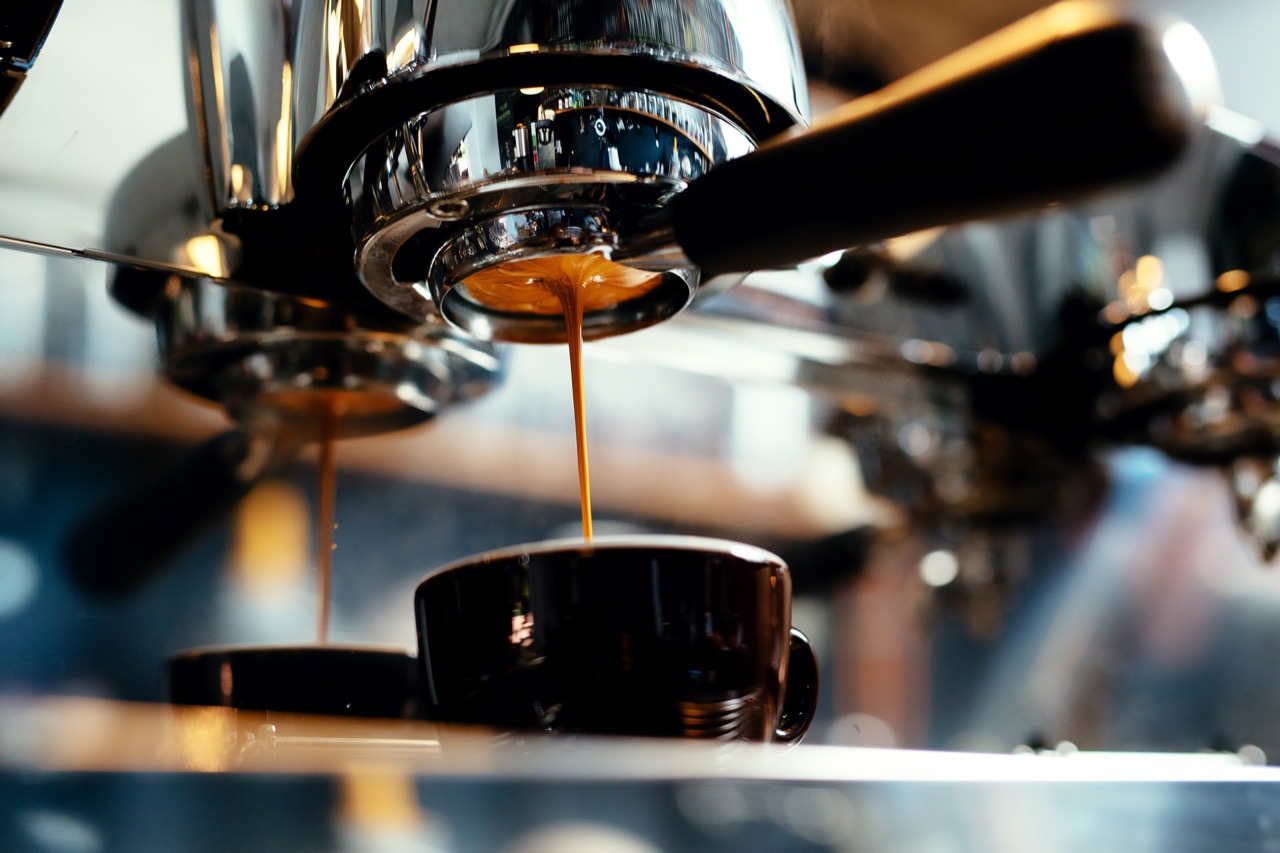
At the cafe counter, the drama shifts from rarity to repeatability. Espresso is not defined by a single volume, because crema and flow can make a shot look larger than it really is. Modern specialty shops measure espresso by weight, using a scale under the cup. A common starting point is about 18 to 20 grams of dry coffee in the portafilter and roughly twice that weight as liquid espresso in the cup, often reached in around 25 to 30 seconds. Those numbers are guidelines, not laws, and different coffees taste best at different ratios. Ristretto generally means a shorter yield for a more concentrated, syrupy cup, while lungo stretches the shot longer, often increasing bitterness if pushed too far.
Crema, the golden foam on top of espresso, is one of the most misunderstood features. It forms when pressurized brewing emulsifies oils and traps carbon dioxide released from fresh coffee. A thick crema can look impressive, but it is not a guarantee of quality; some dark roasts and very fresh beans produce lots of crema while tasting harsh. Still, crema matters because it carries aroma and affects texture, and its presence can hint that the coffee was brewed under proper pressure with fresh beans.
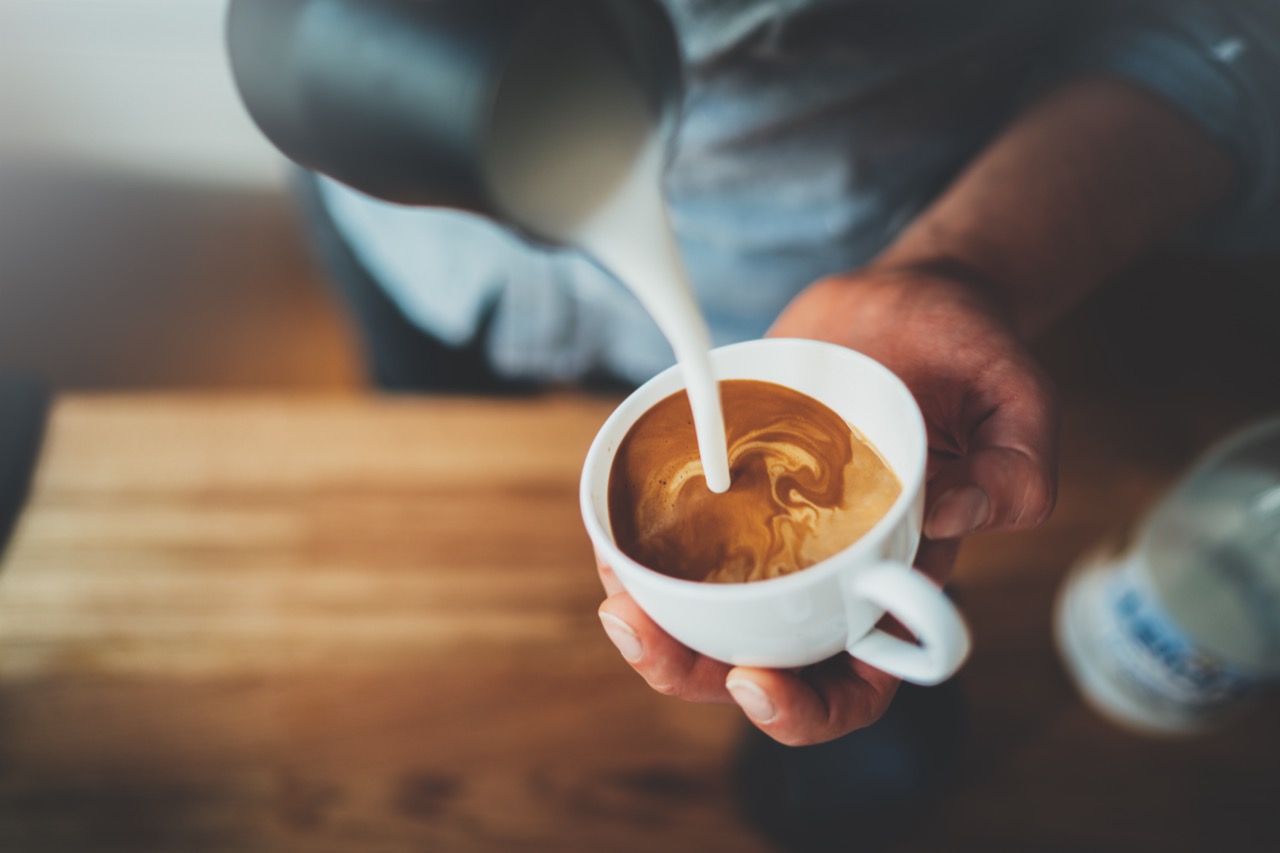
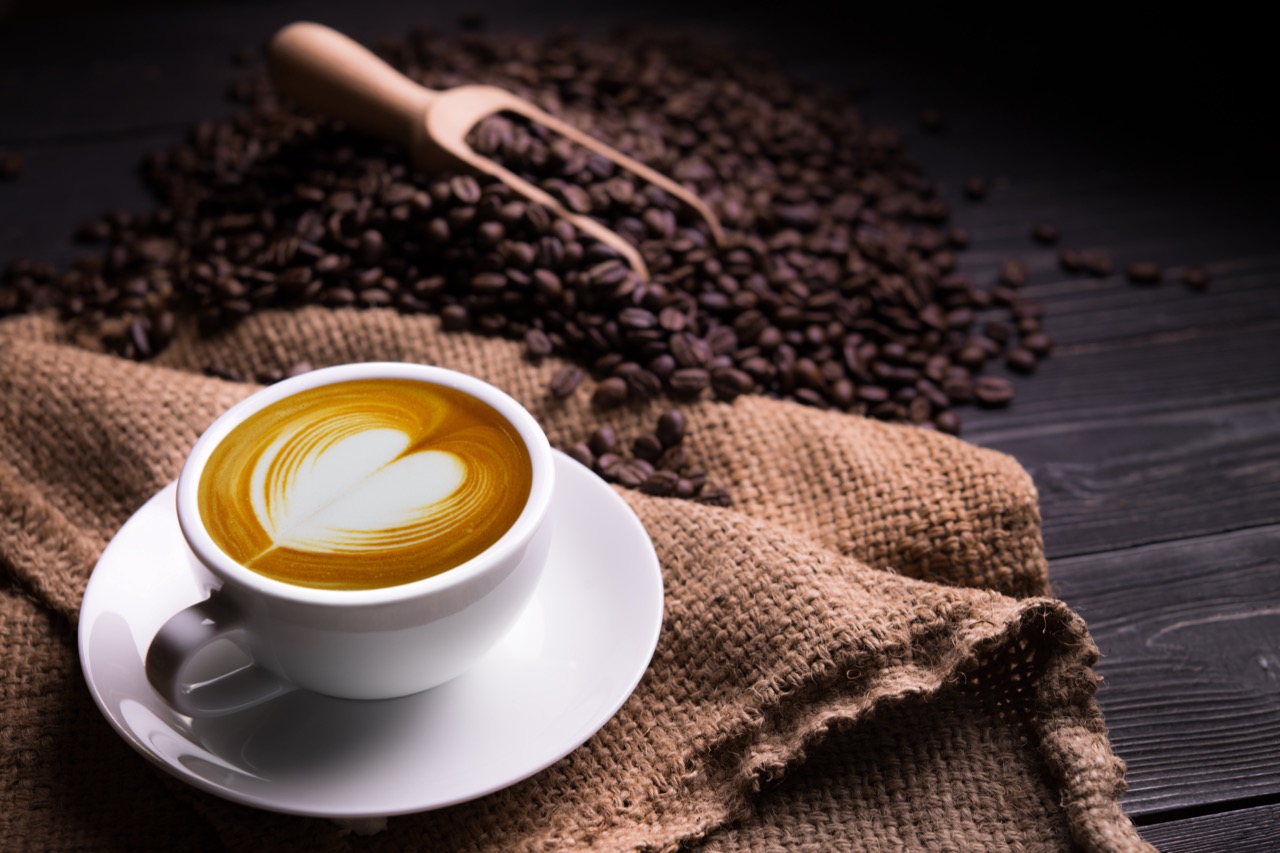
Milk drinks add another layer of craft and debate. A cappuccino traditionally balances espresso with steamed milk and a cap of foam, while a latte uses more milk and a thinner foam layer. Flat white is often described as a smaller, stronger latte with a smooth microfoam texture. Latte art is not just decoration; it is a quick visual signal that milk was steamed to a glossy microfoam rather than a bubbly froth, which usually tastes sweeter and feels silkier on the tongue.
Records and stunts push coffee into the realm of sport. Speed challenges can involve making multiple espresso based drinks to exact standards under time pressure, and there are record attempts for everything from the largest cup of coffee to marathon brewing sessions. Oversized cups and giant lattes are typically built for spectacle, requiring careful heating, safe handling, and a lot of logistics rather than refined flavor. On the opposite end, there are feats of precision like pulling consistent shots back to back, where tiny changes in grind size, dose, or water temperature can shift taste.
The tools baristas rely on are surprisingly scientific. Grinders matter as much as espresso machines, because uniform particle size helps water extract flavor evenly. Many cafes use water filtration and mineral adjustment, since water chemistry can flatten acidity or exaggerate bitterness. Thermometers, timers, and scales are everyday essentials, and a simple distribution tool or careful tamp helps prevent channeling, when water finds weak paths through the puck and leaves parts under extracted.
Brewing methods also create distinctive experiences. Pour over highlights clarity and aroma, French press emphasizes body, and cold brew trades brightness for smoothness by extracting slowly at low temperature. Whether you are chasing rare beans, arguing over ristretto versus espresso, or just trying to decode a menu, the fun of coffee is that it rewards curiosity. Every cup is a small experiment, and sometimes the most memorable facts come from the extremes.