Sip Scenes and Screen Beans Trivia







Quiz Complete!
Sip Scenes and Screen Beans: How Coffee Became Pop Culture’s Favorite Prop
Coffee shows up in popular culture so often that it can feel like a supporting cast member with its own job to do. A cup in someone’s hands instantly tells you something about their day, their mood, and even their identity. It can signal comfort, urgency, sophistication, or chaos, and storytellers rely on those quick signals because audiences already understand the language of coffee.
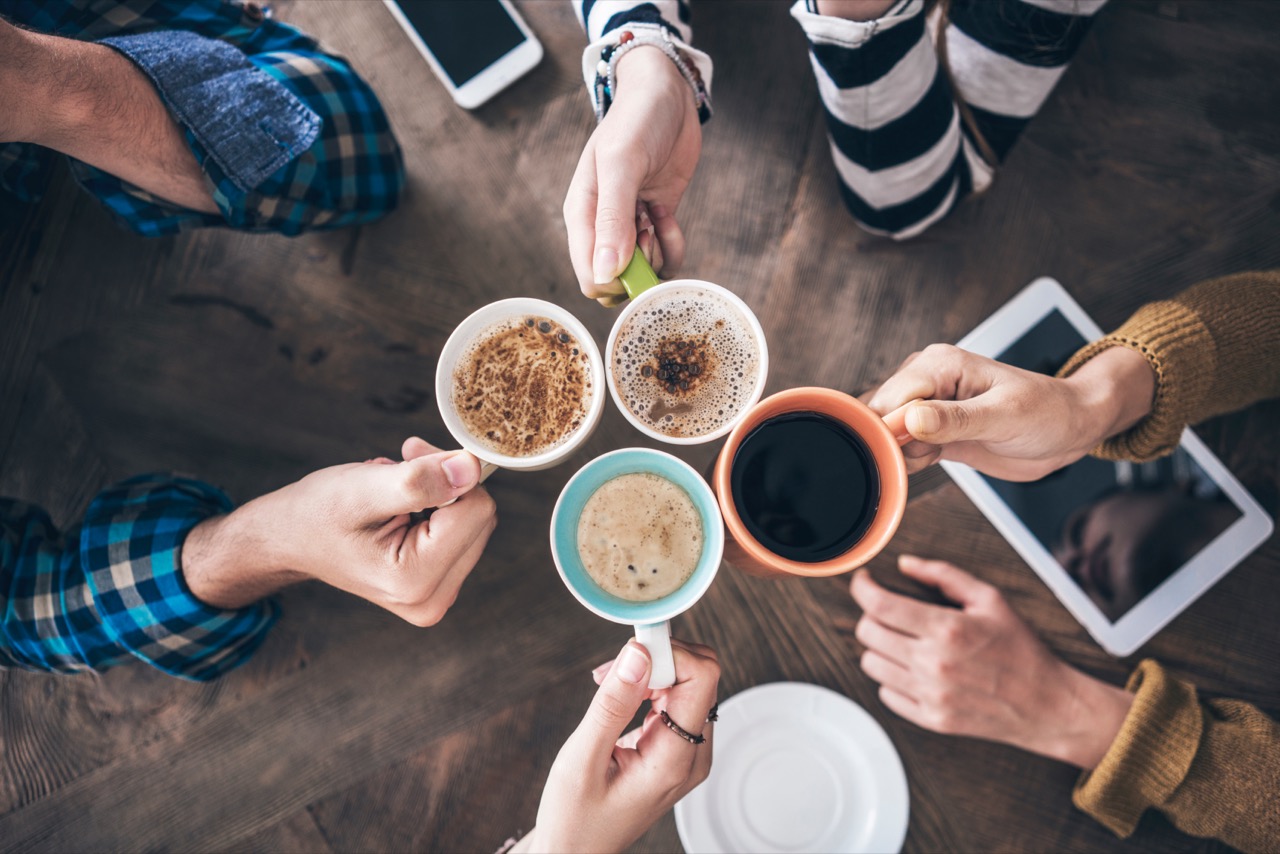
One of the most recognizable coffee settings is the cozy hangout where characters talk through their lives. The coffeehouse became a modern version of the neighborhood stoop or corner bar, but with a softer glow and fewer consequences. In sitcoms and dramas, the “regular spot” gives a story a dependable rhythm: characters drop in, order without looking at the menu, and reveal what they can’t say elsewhere. The familiarity of the setting makes emotional scenes feel safe, and the steady flow of mugs and refills keeps conversations moving without awkward pauses.
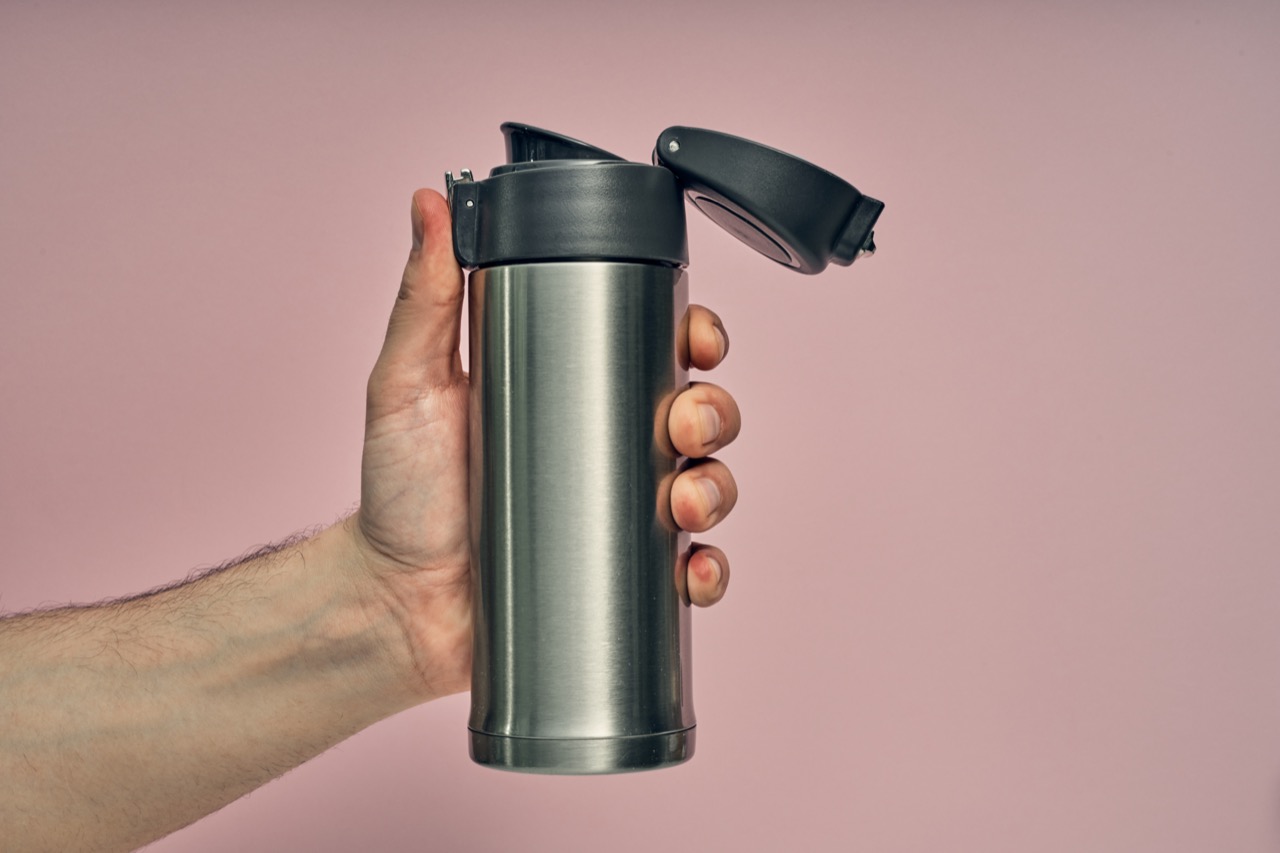
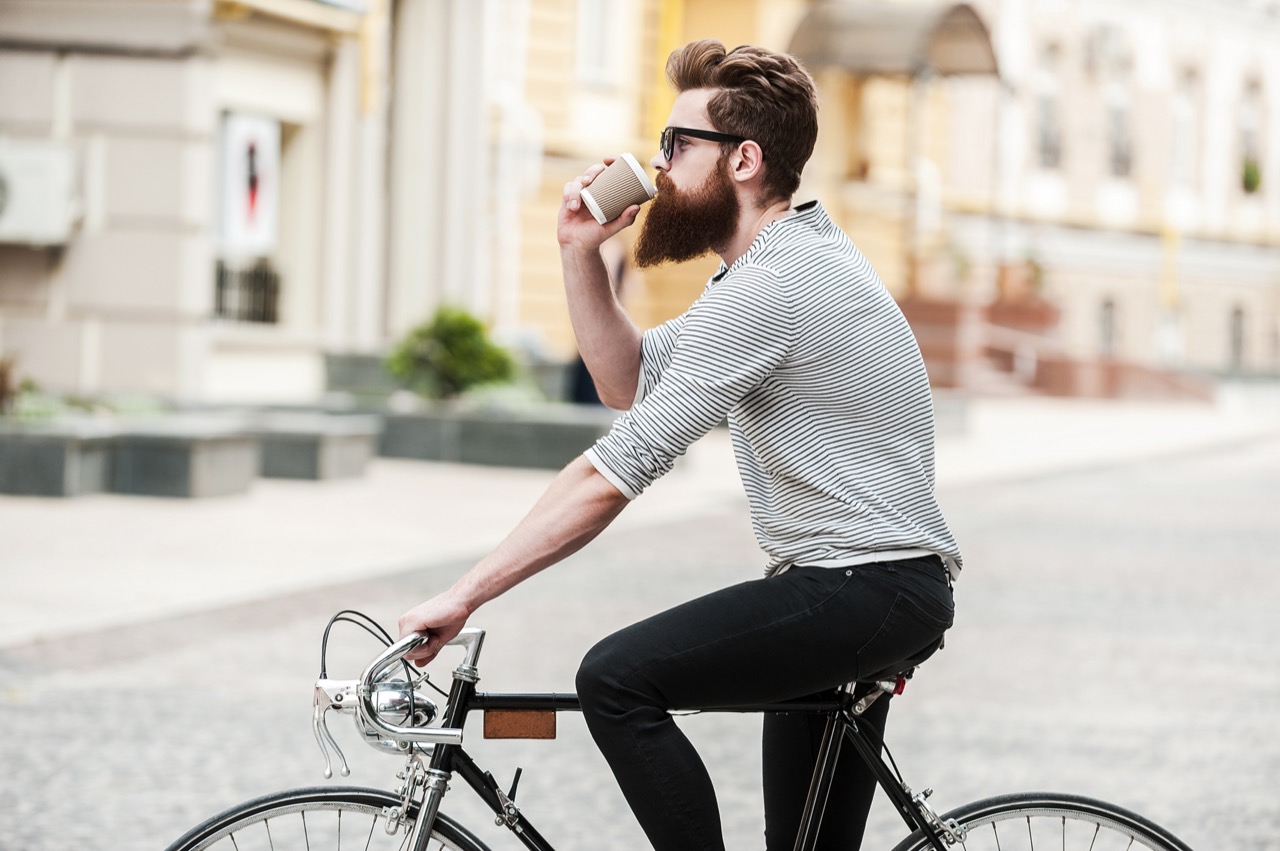
Coffee also works as a shorthand for ambition. The to go cup, especially in a commuter’s hand, is practically a costume piece. It suggests a schedule packed tight, a brain already racing, and a person who is trying to be productive before the day has even properly started. Films and TV shows use that cup to frame a character as driven or overwhelmed, sometimes both. It’s a small object that communicates speed and pressure, and it pairs naturally with scenes of brisk walking, phone calls, and hurried decisions.
Then there’s espresso, often used to paint a specific kind of urban energy. A quick shot at a counter can imply confidence, style, and a life lived at a fast tempo. In many stories, espresso is associated with sharp dialogue and quick thinking. It’s not that espresso is inherently smarter than drip coffee, but pop culture leans on the association between concentrated drinks and concentrated personalities.
Coffee is also a reliable source of comedy. Orders can be exaggerated to show fussiness or status seeking, like the character who treats a simple drink as a personal manifesto. The joke usually isn’t about the beverage itself, but about what the ordering ritual reveals: insecurity, control issues, or the desire to be seen as special. On the flip side, the character who insists on plain black coffee is often framed as blunt, no nonsense, or stubbornly traditional.
Animated shows have their own relationship with caffeine. Cartoons can turn coffee into a literal fuel, exaggerating the jitters, the sleeplessness, and the sudden bursts of confidence. Because animation can bend reality, it makes the effects visible in a playful way, turning an everyday habit into an over the top gag that still feels relatable.
Brand names and coffee chains have become cultural shorthand, too. When a story references a specific kind of café or a familiar style of cup, it can locate the character in a social world. It can hint at income level, neighborhood, and taste, or even an era. Coffee trends have changed over time, and you can often date a scene by what people order and how they drink it.
What makes coffee so useful on screen and on the page is that it sits at the intersection of routine and emotion. People drink it when they’re celebrating, grieving, flirting, working, and procrastinating. A mug can be a shield in an awkward conversation or a peace offering in a tense one. That’s why coffee moments stick: they feel ordinary, but the feelings around them are anything but. When you take a quiz about coffee in pop culture, you’re not just recalling scenes. You’re recognizing how storytellers use a simple drink to show who someone is before they say a word.