Sunrise Beanways: Which Origin-Era Morning Persona Are You?






Sunrise Beanways: How Coffee History Mirrors the Way You Start Your Day
Morning routines feel personal, but they are also cultural echoes of how coffee moved through the world. The drink we reach for at dawn was shaped by legends, trade routes, social rules, and changing ideas about work and leisure. If you have ever wondered why some people treat coffee like a quiet ceremony while others use it as a social engine or a technical hobby, the answer sits in the long journey from farm to cup.
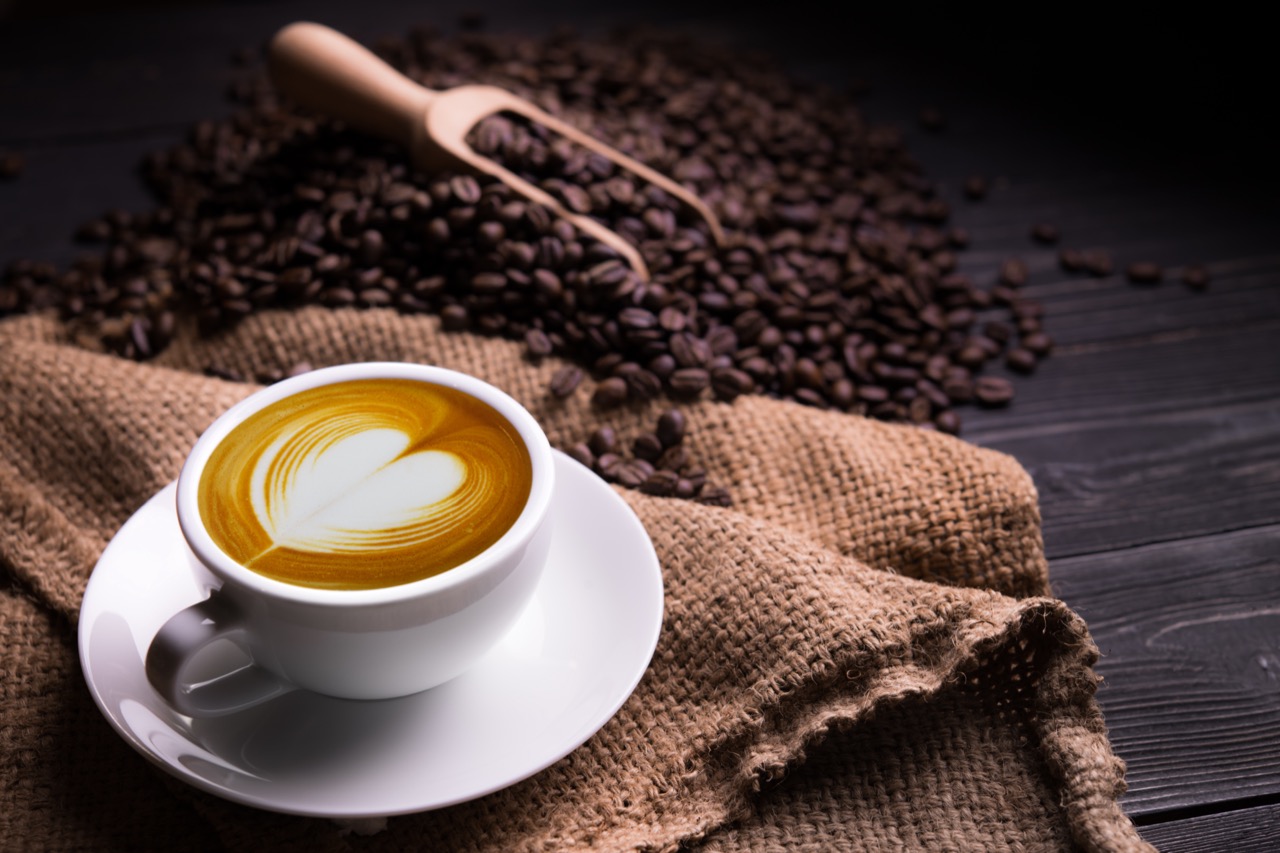
One of the earliest stories places coffee in Ethiopia, where wild coffee grew in highland forests. The popular legend of a goatherd noticing energetic animals is more myth than documented history, yet it captures something real: coffee began as a local plant with a powerful effect. In many Ethiopian communities, coffee is still linked to hospitality and time. The traditional coffee ceremony involves roasting, grinding, brewing, and serving in multiple rounds, often with conversation and food. Even if your morning is not that elaborate, the spirit of it shows up when you prefer a calm start, familiar steps, and a sense that the day should not rush you. This is the morning persona of the ritualist: someone who finds steadiness in routine and values the pause before productivity.
From Ethiopia, coffee’s story becomes more traceable in Yemen. By the 1400s and 1500s, coffee was cultivated and traded through ports like Mocha, a name that later became shorthand for coffee itself. Yemen’s role highlights coffee as a connector of places and people. Port cities mixed languages, goods, and ideas, and coffee fit naturally into that rhythm: a beverage that keeps you alert while you bargain, travel, write, or study. If your morning style is to wake up curious, scan the news, plan the day, and feel energized by what you might discover, you resemble the port culture mood. Your cup is not just comfort; it is a ticket to the wider world.
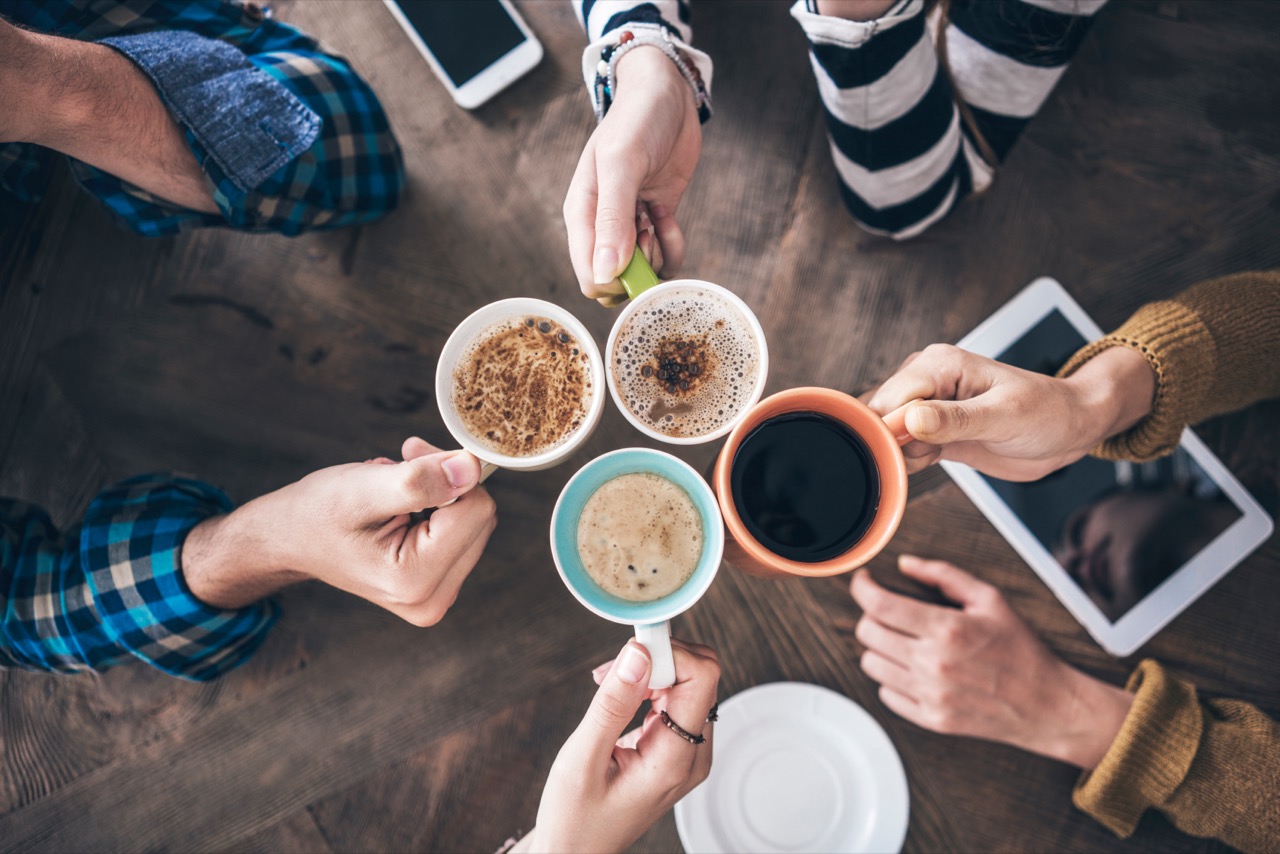
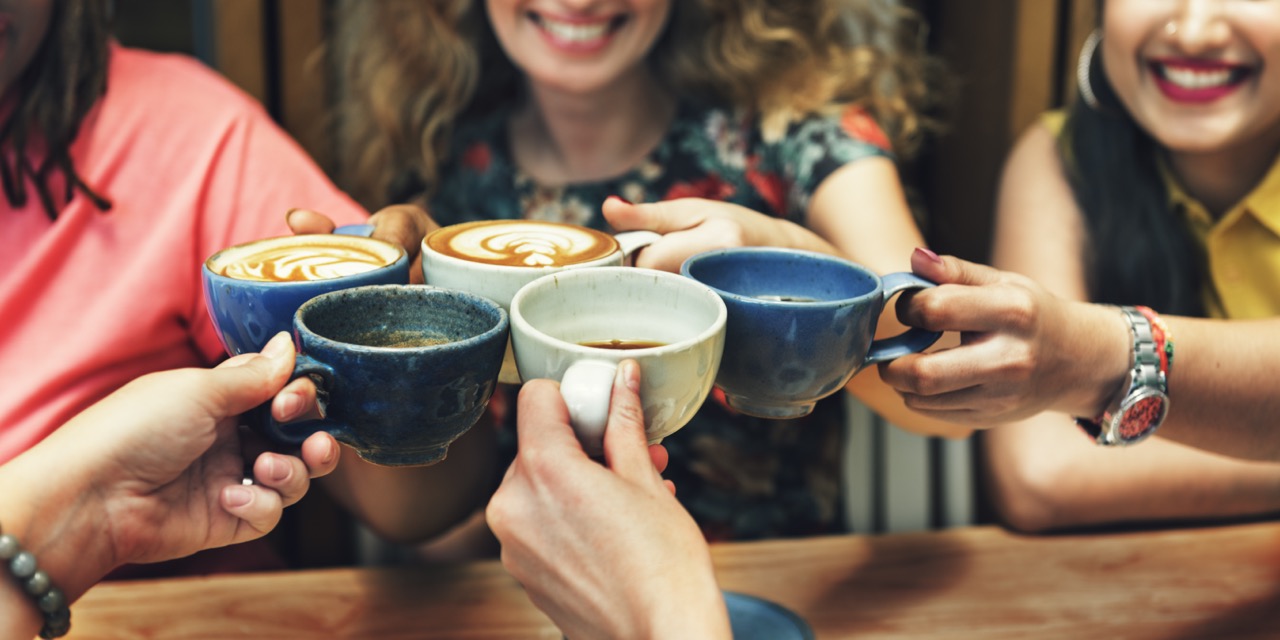
As coffee spread into the Ottoman Empire, coffeehouses became institutions. They were not merely places to drink but social hubs where people listened to music, played games, exchanged gossip, argued politics, and shared poetry. Authorities sometimes worried about coffeehouses precisely because conversation can be powerful. The coffeehouse era maps neatly onto the morning persona of the social spark: someone whose day starts best with interaction, whether that means chatting with a barista, meeting a friend, or sending voice notes on the commute. For this persona, coffee is a social permission slip, a way to turn a private morning into a shared one.
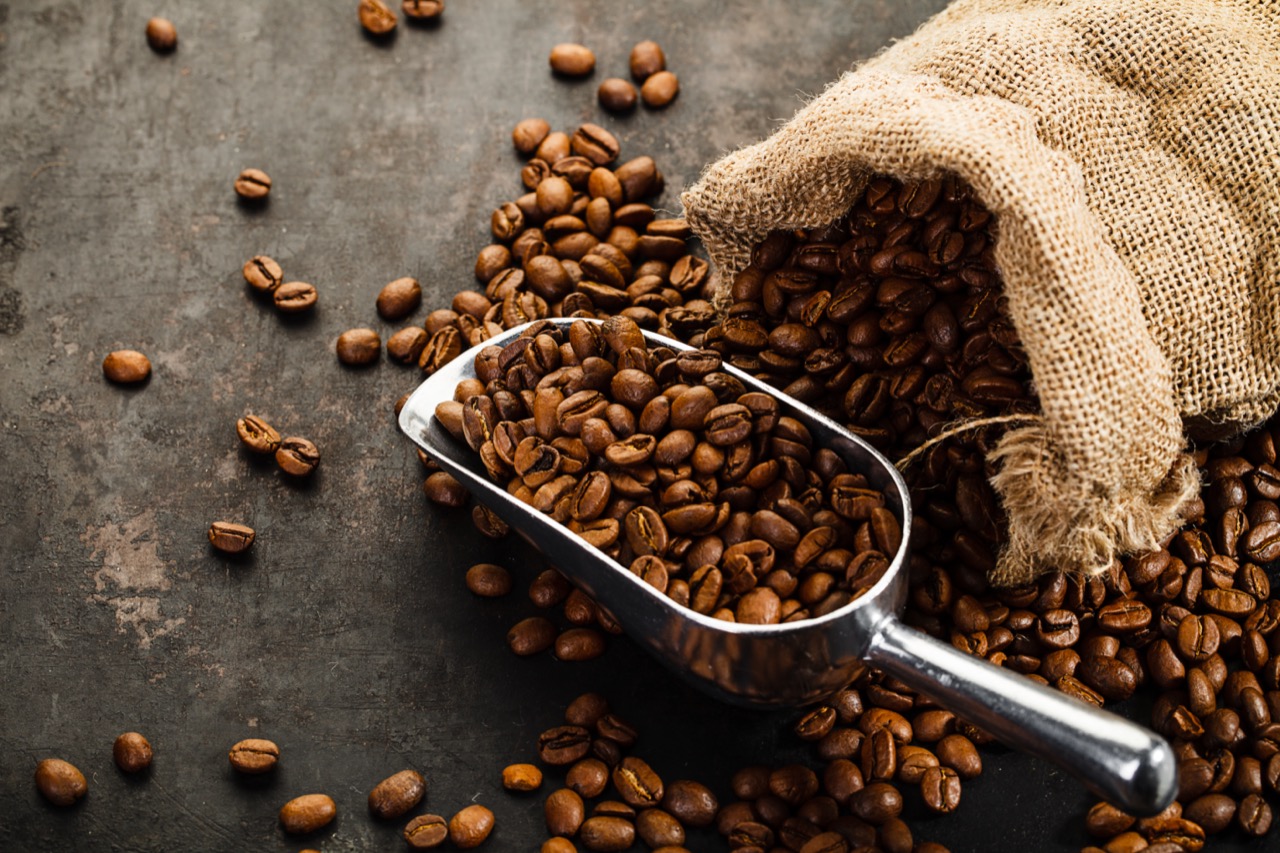
Europe helped transform coffee into a modern habit. Cafés in cities like Venice, Paris, and London turned coffee into a companion for newspapers, business, and debate. In some places, coffeehouses were even nicknamed penny universities because a small price bought access to discussion and information. Over time, industrialization pushed coffee toward speed and consistency, while the modern specialty movement pulled it back toward origin stories, careful sourcing, and experimentation with brewing methods. If you are the tinkerer, you might weigh beans, adjust grind size, or compare flavors like citrus, chocolate, or floral notes. That impulse has historical roots too: coffee has long been tied to innovation, commerce, and the tools people use to shape daily life.
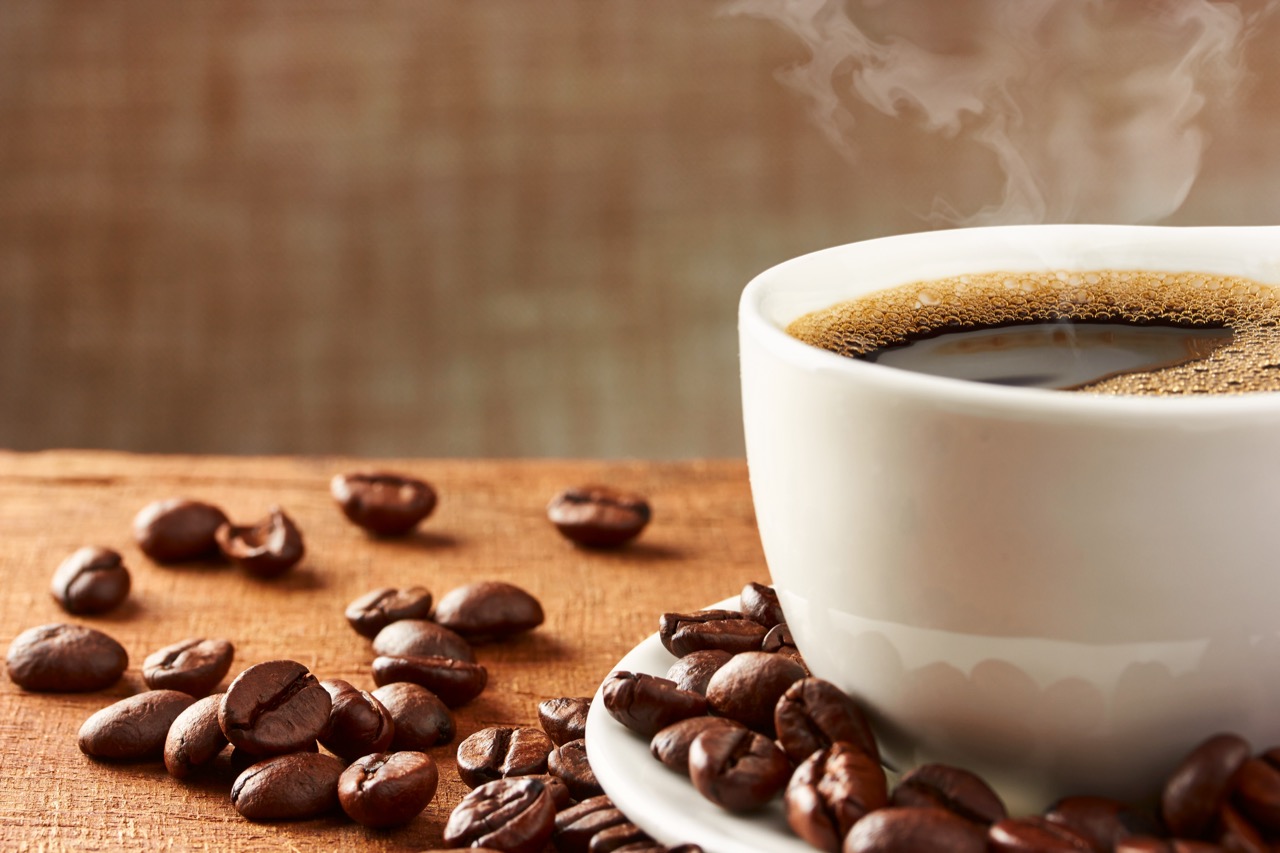
Then there is the pragmatic go getter, the persona that treats coffee as reliable fuel. This mindset fits the later global spread, when coffee became a staple of offices, diners, and home kitchens. Convenience methods, from pre ground blends to instant coffee, were not a betrayal of tradition so much as a response to changing schedules. A fast cup can still carry the legacy of farms, trade, and craft; it simply meets a different need.
No matter your origin era mood, the same core story runs through it: coffee has always been about more than caffeine. It is a ritual, a social technology, a traded good, and a sensory pleasure. Your morning habits are a small, modern version of that history, shaped by how you like to begin the day and what you want your first cup to mean.