Factory Flashcards Pop Art Deep Cuts



Quiz Complete!
Factory Flashcards and Pop Art Deep Cuts: How Bright Pictures Became Sharp Ideas
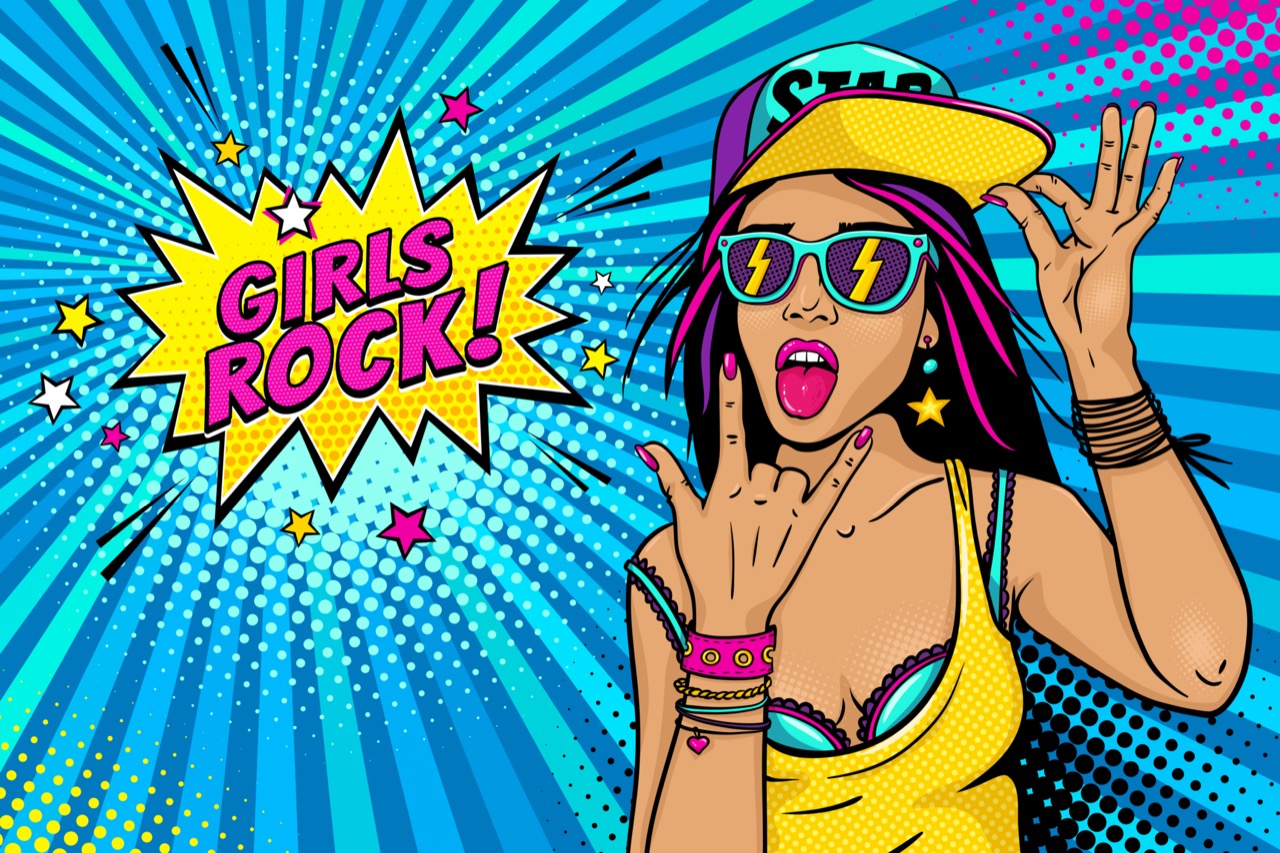
Pop Art can look like a party on the surface: loud color, simple shapes, brands you recognize from the supermarket aisle, and celebrities you feel like you already know. The surprise is how much careful thinking and technical experimentation sits under that apparent ease. Pop was never just a style; it was a set of arguments about modern life, mass media, and what counts as art when images are manufactured, repeated, and consumed at scale.
One of the earliest sparks came in Britain in the 1950s with the Independent Group, a loose circle of artists, architects, and critics meeting at London’s Institute of Contemporary Arts. They didn’t treat advertising and science fiction as guilty pleasures. They studied them like serious evidence of a changing world. The famous question posed by a collage title, What is it that makes today’s homes so different, so appealing?, captured the mood: everyday imagery had become a new kind of mythology. British Pop often carried a slightly anthropological tone, as if looking at American abundance from a skeptical distance.
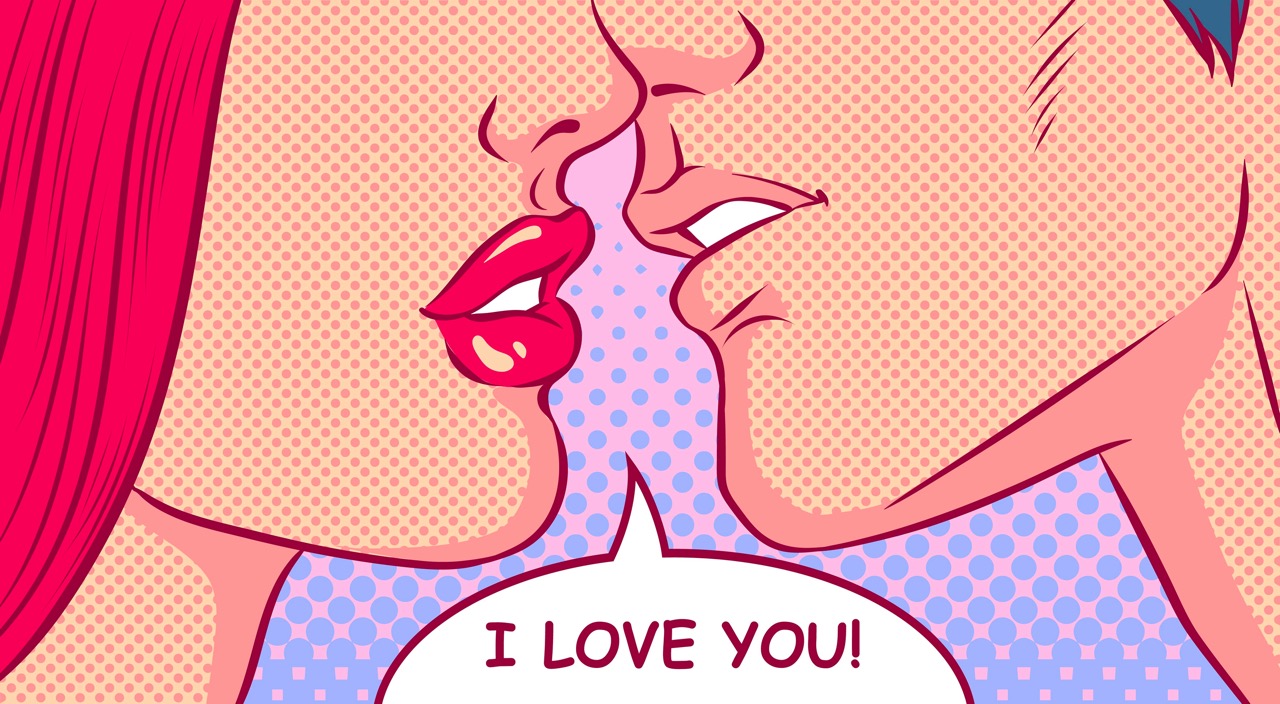
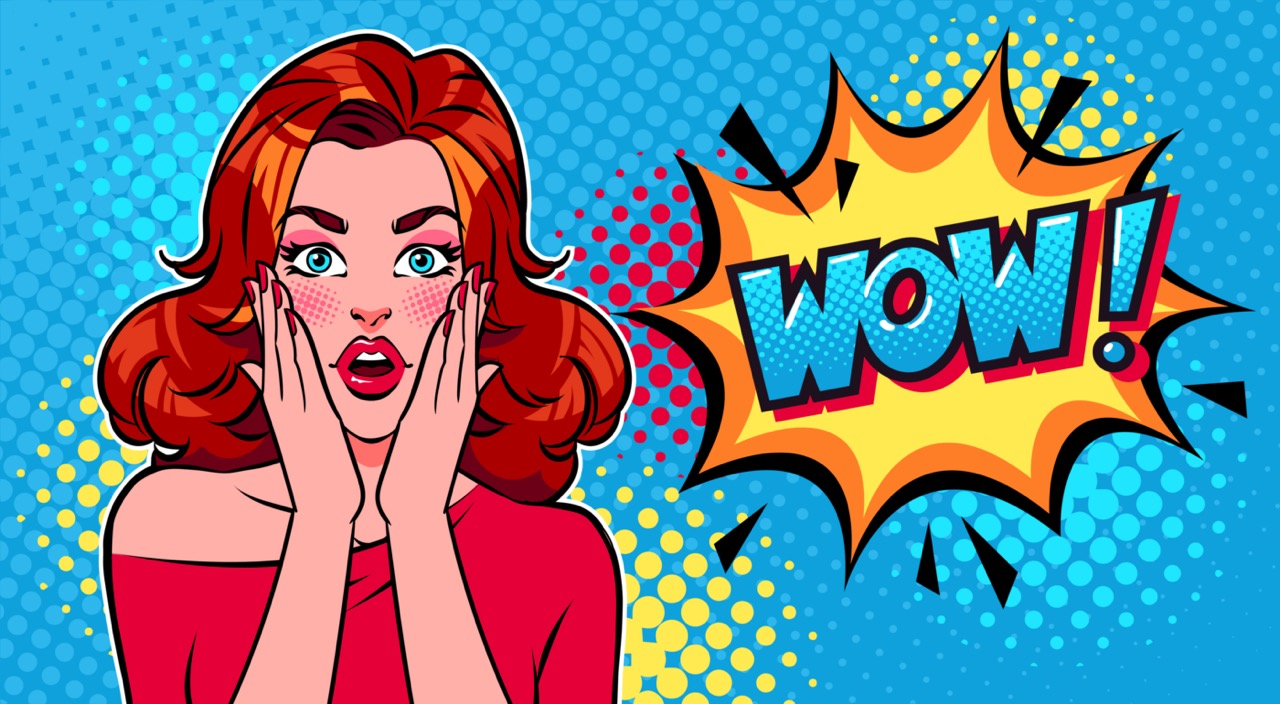
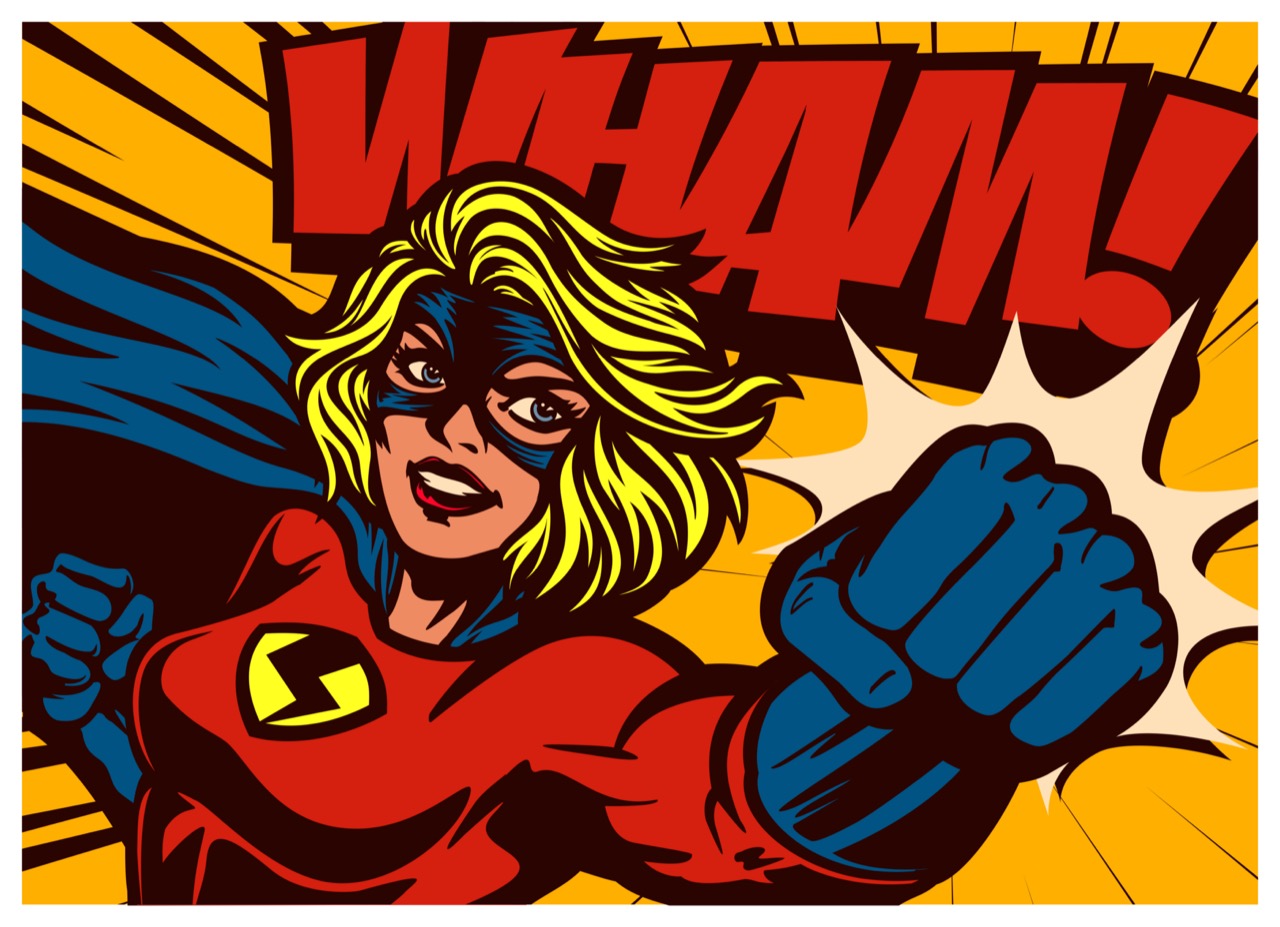
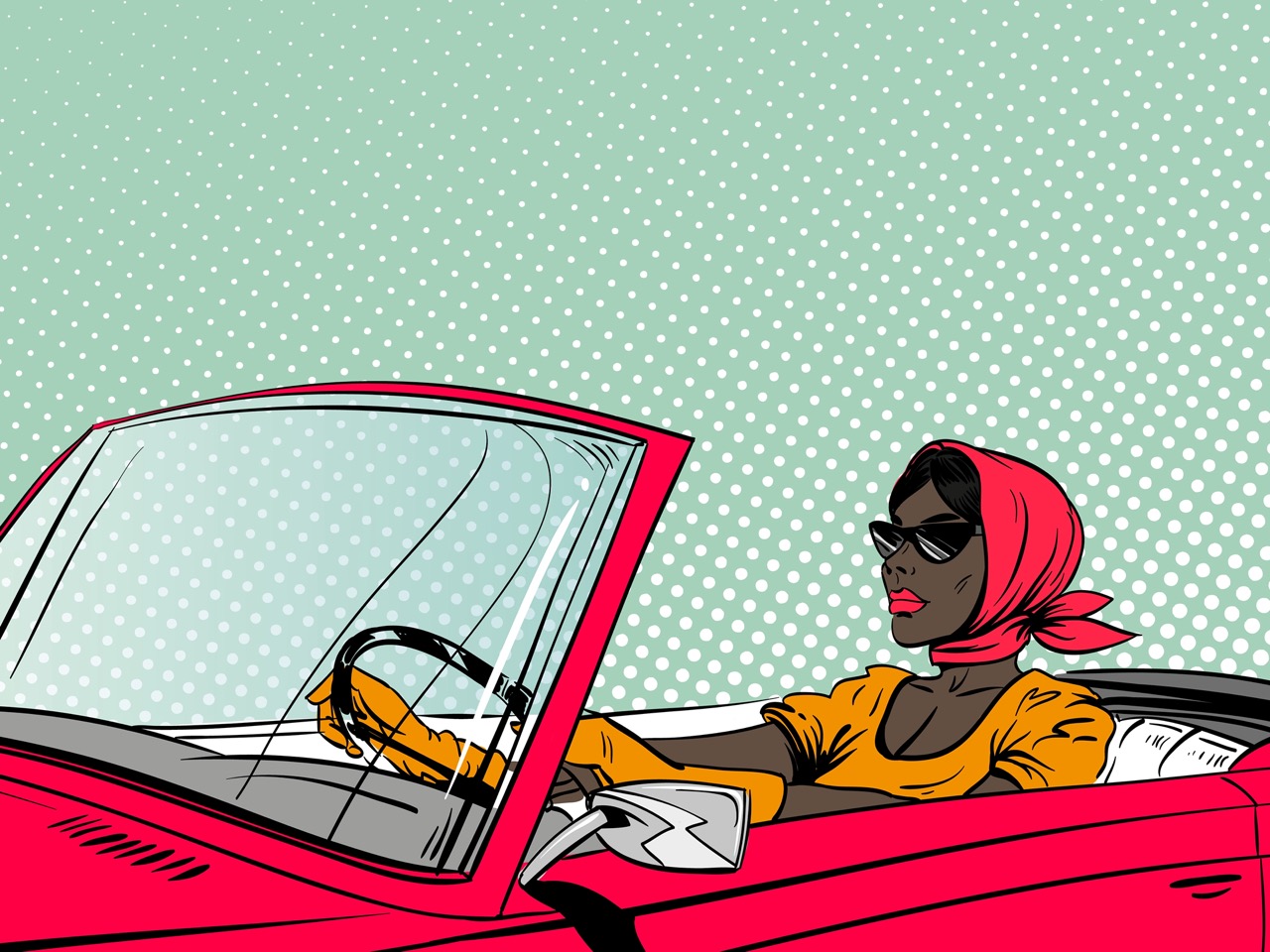
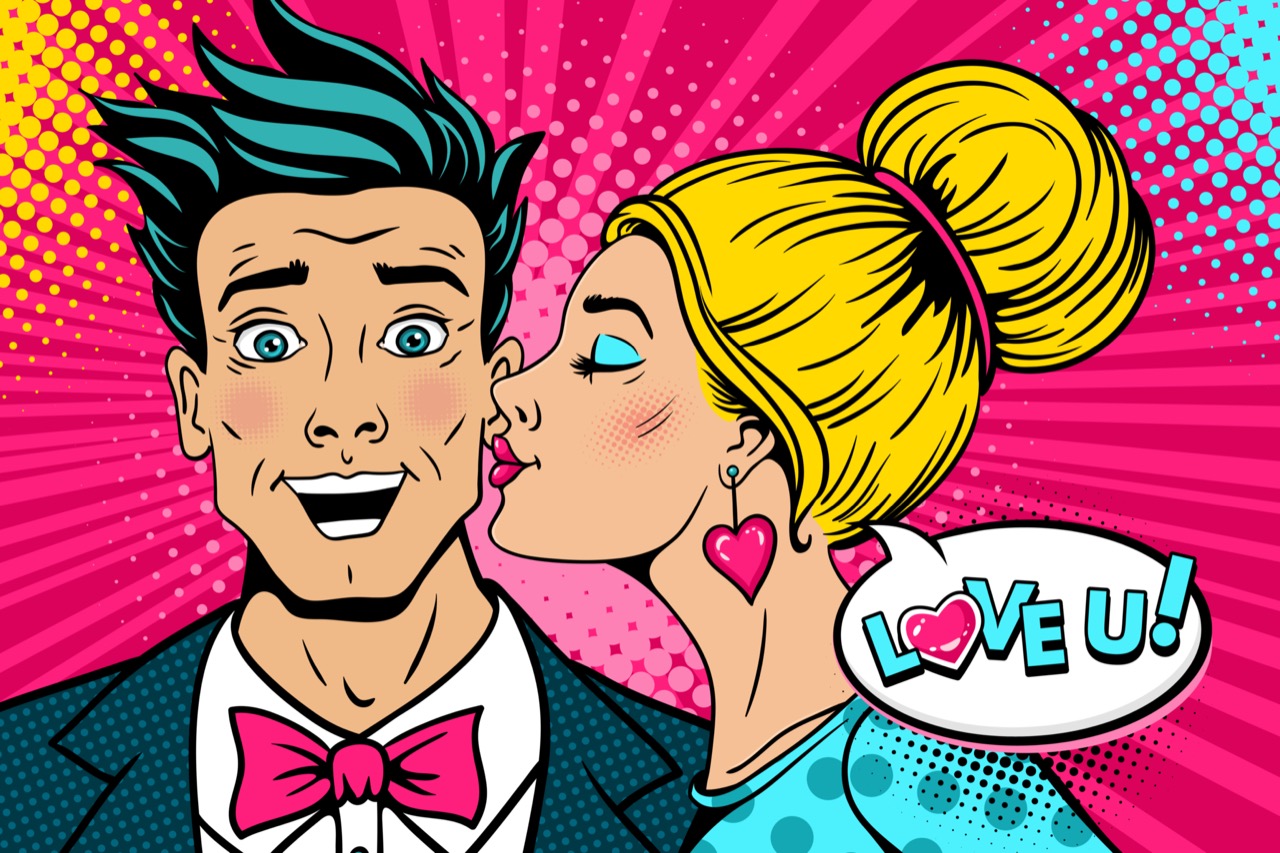
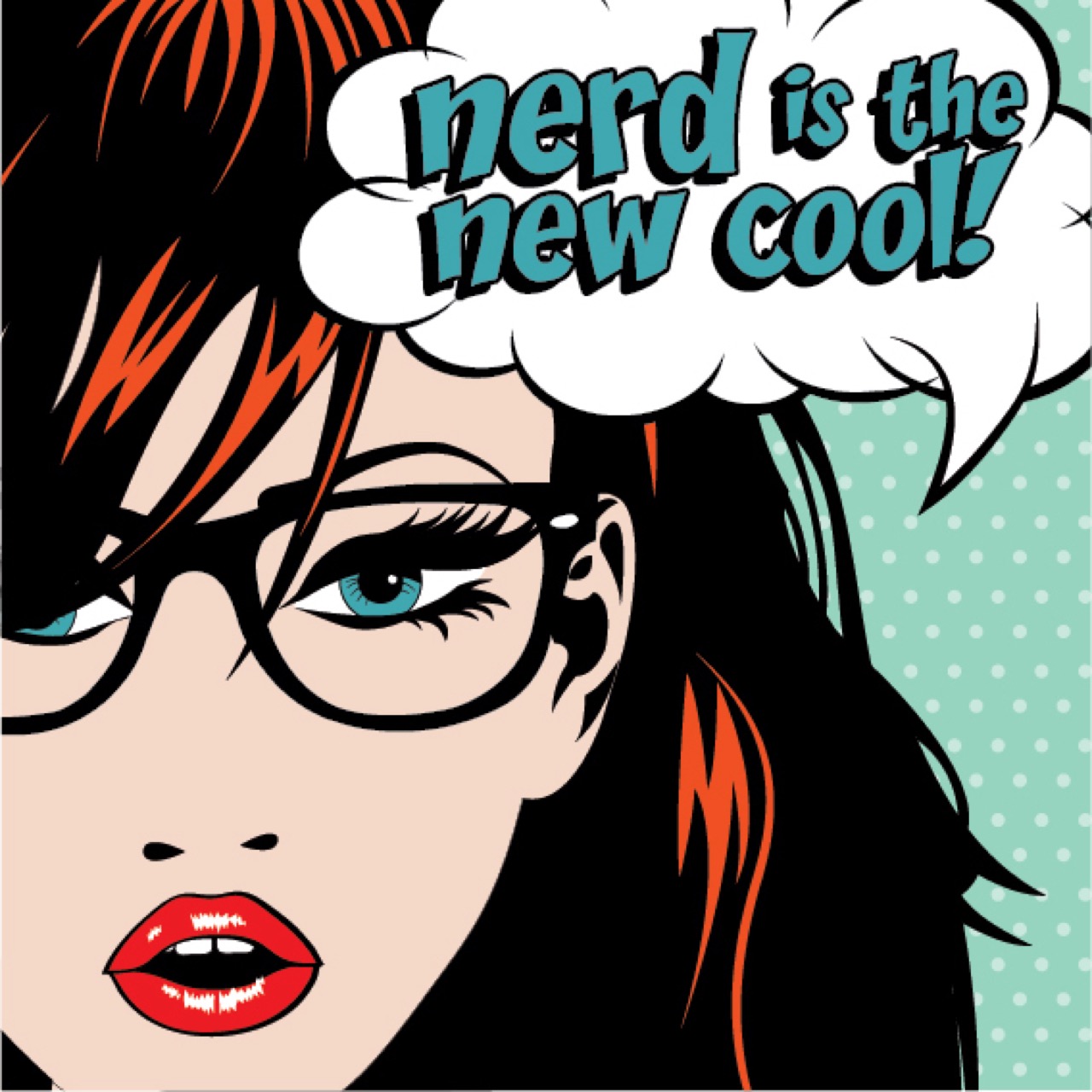
Across the Atlantic, the American version arrived with a different urgency. Abstract Expressionism had dominated the postwar art scene with heroic brushwork and personal emotion. Pop artists pushed back by adopting coolness, clarity, and a deliberately impersonal look. That detachment was not neutral; it was a strategy. When Roy Lichtenstein mimicked the dots and edges of cheap printing, he wasn’t simply copying comics. He was quoting a whole industrial system of picture-making, where feelings are packaged into standardized visual clichés. People often talk about Ben-Day dots, but the deeper point is that Pop forced viewers to notice the machinery of reproduction: the way an image is broken into units, screened, enlarged, and reassembled.
Andy Warhol’s work made the argument even harder to ignore. A soup can mattered not because it was beautiful in the traditional sense, but because it was shared. It was a common object with a designed face, encountered through repetition. Warhol’s silkscreens leaned into the logic of the factory: an image could be transferred, misregistered, over-inked, or faded, and those “mistakes” became part of the meaning. The celebrity portraits sharpened the point. A face like Marilyn’s could be both intimate and unreachable, endlessly reproduced yet never fully present. Pop asked whether fame itself had become a kind of product.
Technique is one of Pop’s hidden battlegrounds. Silkscreen, commercial paint, photo-based transfer, and hard-edged drafting methods were not just convenient tools; they signaled allegiance to the modern world of printing and packaging. Even when an artist painted by hand, the goal could be to look machine-made. That choice tangled Pop with questions about authorship: if an artwork resembles an advertisement, and if assistants help produce it, where does the “artist’s touch” go? For some, the disappearance of touch was the point.
Pop also had rivalries and different accents. American Pop often foregrounded consumer goods and media saturation; British Pop could feel more critical, more aware of class and imported desire. Meanwhile, artists in Europe and elsewhere developed related approaches that were not simply echoes of New York. Some used Pop language to address propaganda, political violence, or the seductions of postwar modernization.
Art-world institutions played their part too. Gallery shows, museum acquisitions, and critical essays helped turn what looked like low culture into high culture overnight, and that transformation was itself a Pop story. The movement thrived on contradiction: it could celebrate the gloss of modern life while exposing its emptiness, and it could feel playful while delivering a sting. If you look closely, Pop’s bright surfaces are less an escape from complexity than a clever way of smuggling it in.