From Canvas to Culture Pop Art Timeline Quiz






Quiz Complete!
From Canvas to Culture: A Pop Art Timeline in 500 Words
Pop Art is often remembered as a burst of bright color and cheeky confidence, but its timeline shows a slower buildup shaped by postwar life. After World War II, advertising expanded, supermarkets multiplied, television entered living rooms, and celebrity images traveled faster than ever. Artists began to notice that the most widely shared pictures were no longer religious scenes or grand history paintings, but product labels, movie stills, and comic strips.
Some of the earliest sparks came from Britain in the early 1950s, where the Independent Group in London treated mass culture as something worth serious study. Eduardo Paolozzi’s collages and Richard Hamilton’s famous 1956 collage Just what is it that makes today’s homes so different, so appealing? captured a new world of consumer goods, pin up glamour, and media clutter. That same year, the exhibition This Is Tomorrow helped crystallize the idea that fine art could borrow the look and logic of popular imagery.
In the late 1950s and early 1960s, the movement’s center of gravity shifted to the United States, especially New York, where Abstract Expressionism had dominated the previous decade. Pop offered a sharp change: instead of heroic brushwork and private emotion, it embraced the public language of billboards, packaging, and tabloid photos. Jasper Johns and Robert Rauschenberg, often seen as bridges into Pop, made flags, targets, and combines that treated familiar symbols as objects to be looked at anew.
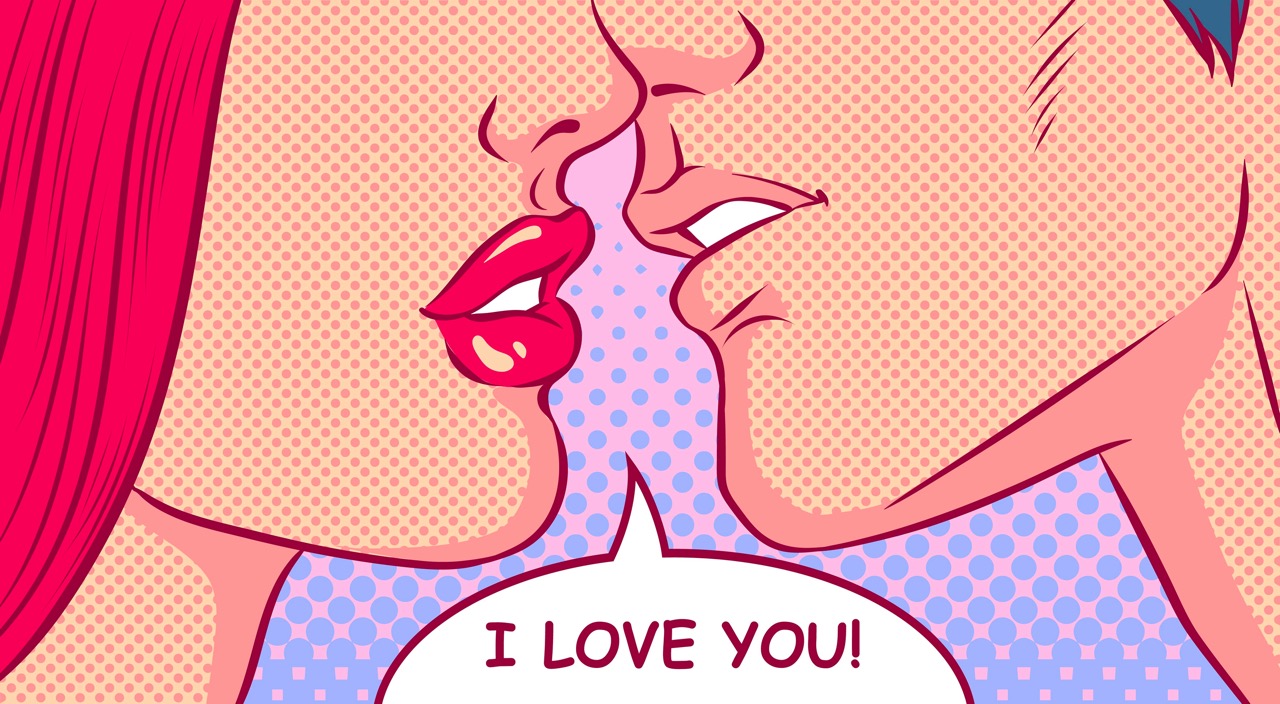
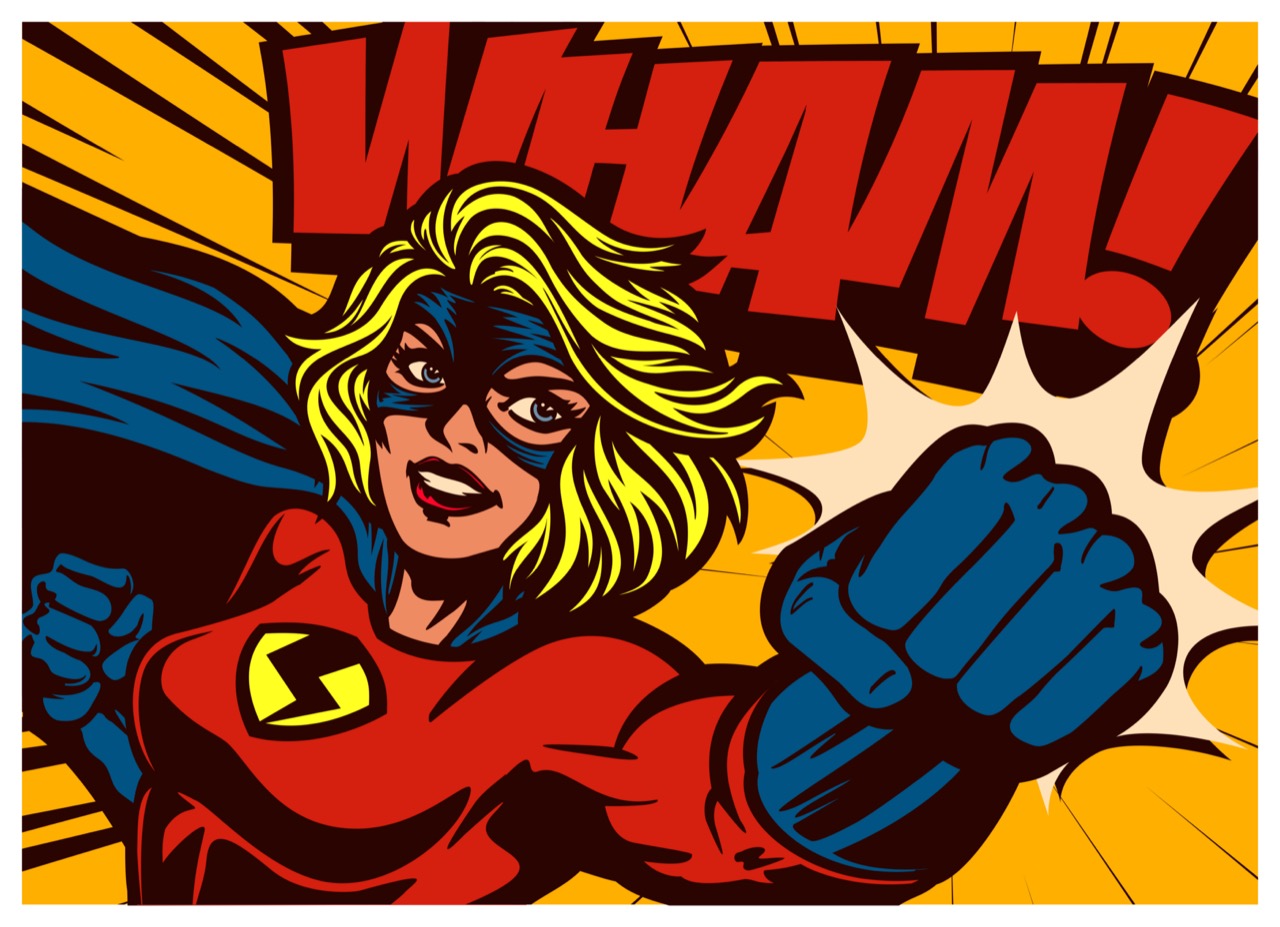
The early 1960s brought defining breakthroughs. Roy Lichtenstein turned comic panel drama into large paintings with crisp outlines and Ben Day dots, inviting viewers to question originality and mass reproduction. Claes Oldenburg made soft sculptures and storefront installations that transformed everyday items into witty, oversized presences. Andy Warhol, who had worked in commercial illustration, pushed the logic of repetition and branding into the gallery. In 1962, his Campbell’s Soup Cans appeared, and in the same period he developed screenprinting methods that made paintings feel like products rolling off a line. His Marilyn images, made after the star’s death, showed how celebrity could become both memorial and merchandise.
A key moment for public recognition arrived in 1962 with the exhibition New Painting of Common Objects in Pasadena, often cited as one of the first museum shows to explicitly frame Pop Art in America. Soon after, Pop became impossible to ignore, spreading through galleries, magazines, and debates about whether it was celebrating consumer culture or exposing it. The answer was often both, depending on the artist and the viewer.
By the mid 1960s, Pop’s vocabulary expanded internationally. James Rosenquist used billboard scale and fragmented advertising imagery to create paintings that felt like walking through a city street of competing messages. In Britain, Peter Blake and others mixed nostalgia, music culture, and graphic punch. Pop also entered sculpture and installation in ways that blurred the line between art object and store display.
Pop Art’s lasting impact is its prediction of today’s image economy. Its artists treated repetition, remixing, and instant recognition as creative tools, long before social media made those habits universal. When you can place soup cans, comic explosions, and screenprinted celebrities on a timeline, you are really tracking how modern life itself became the raw material of art.