Neon Numbers Pop Art Record Breakers Quiz


Quiz Complete!
Neon Numbers and Pop Art Records: When Mass Culture Made Art History
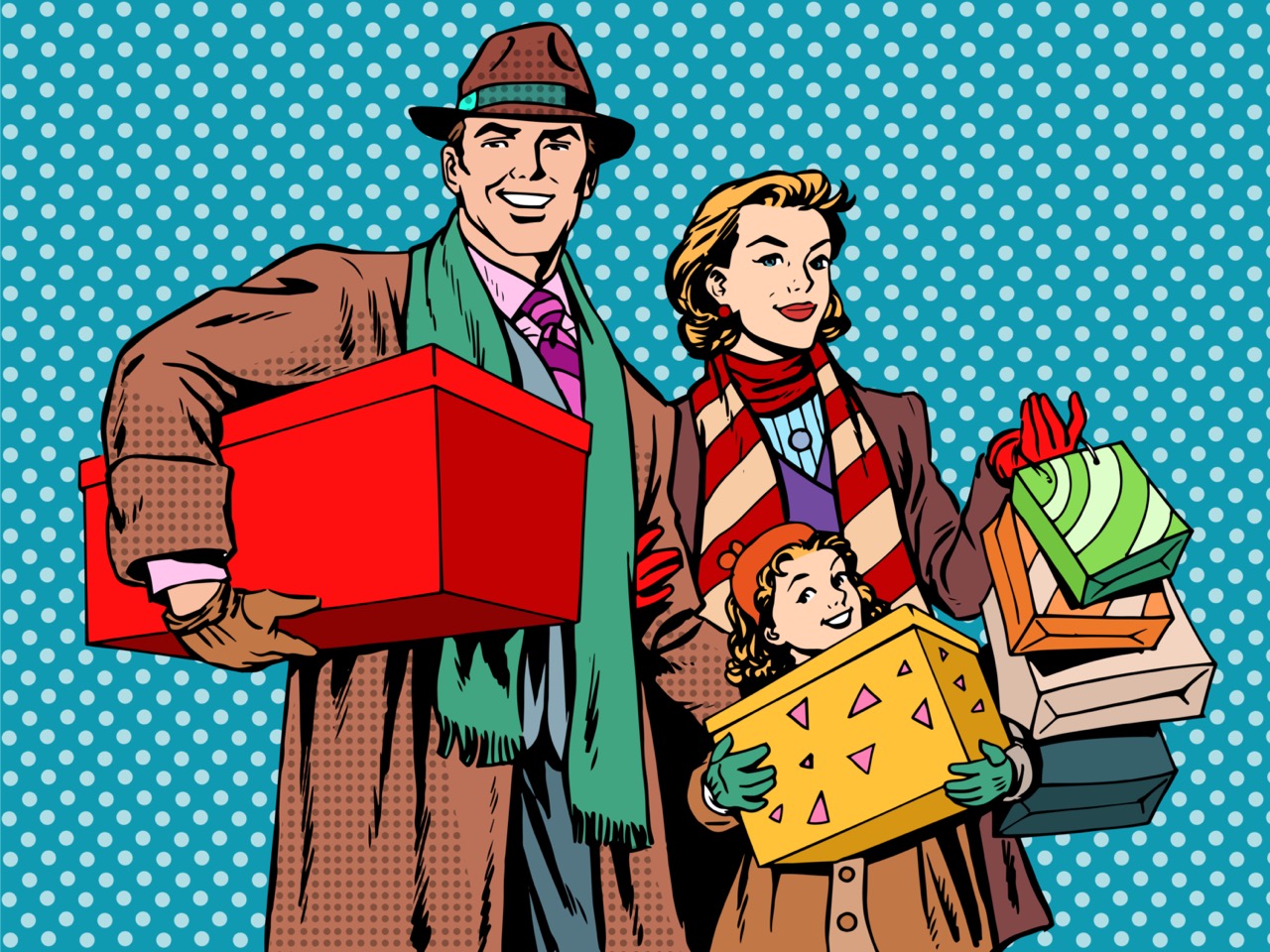
Pop Art looks like fun at first glance: bright colors, familiar logos, comic-book dots, and faces you might recognize from magazines. Yet behind the playful surface is a world of record-breaking moments where artists and collectors turned everyday culture into high-stakes history. Pop Art thrives on specifics, and many of its biggest stories are told through numbers: firsts, largest runs, highest prices, and the most repeated images ever to hang in a museum.
One of the earliest turning points came in the early 1960s, when artists in Britain and the United States began treating advertising and consumer goods as worthy subject matter. Andy Warhol’s Campbell’s Soup Cans, first shown as a group in 1962, made a radical point with a simple idea: what if a supermarket shelf could be a gallery wall? The work is remembered not just for its look, but for its method. By repeating a single product label across many canvases, Warhol made repetition feel like a new kind of portraiture, and he also mirrored the way mass production floods daily life with identical images.
Repetition soon became a Pop Art superpower, and Warhol pushed it further with screenprinting. The technique allowed him to scale up quickly, create variations, and embrace imperfections like misregistration and uneven ink as part of the aesthetic. His celebrity portraits, including Marilyn Monroe and Elizabeth Taylor, turned fame itself into a material. The more the image circulated, the more it seemed to gain weight. That logic helped Pop Art become one of the most recognizable movements in modern art, and it also set the stage for headline-making auctions decades later.
Auction records have become part of Pop Art’s mythology, especially as collectors compete for iconic images that feel both familiar and historically important. Warhol’s Silver Car Crash Double Disaster sold for a sum that signaled how far Pop Art had traveled from its once-shocking origins. Roy Lichtenstein’s comic-inspired paintings, built from enlarged Ben-Day dots and dramatic speech bubbles, have also commanded enormous prices, proving that a style borrowed from cheap printing could become a luxury object. These sales are not just about money; they reveal how strongly Pop Art still speaks to a world saturated with media.
Scale is another arena where Pop Art breaks records. Claes Oldenburg and Coosje van Bruggen transformed ordinary objects into monumental sculptures, making a clothespin or a spoon feel heroic. Their work plays with the same idea as a billboard: if you make something big enough, it becomes impossible to ignore. Pop Art’s neighbors in the broader modern-art landscape, including artists associated with Neo-Pop and appropriation, continued this appetite for spectacle by borrowing, enlarging, and remixing familiar imagery to match the pace of contemporary life.
Pop Art also set records in how quickly it entered institutions. What began as a challenge to traditional taste was soon collected by major museums, partly because it captured the look and logic of its time. Landmark exhibitions helped cement the movement’s identity, and the personalities involved became almost as famous as the work. Warhol’s studio, the Factory, blurred the line between art-making and celebrity culture, turning the process into a kind of performance. That fusion of art, publicity, and production is one reason Pop Art remains a favorite subject for quizzes: it is art history with plot twists.
The record-setting moments tied to Pop Art are ultimately about attention. These artists understood how images move through society, how brands and stars become symbols, and how repetition can be both comforting and unsettling. Whether the record is a breathtaking auction price, an unusually large series, or a groundbreaking early exhibition, the numbers point back to the same bold claim: modern life, in all its packaging and glamour, can be the raw material of great art.