Soup Cans and Superstars Pop Art Quiz






Quiz Complete!
Soup Cans and Superstars: How Pop Art Made the Everyday Unmissable
Pop Art is often remembered as the moment art started talking in the loud, familiar language of shopping, celebrity, and the newsstand. Instead of treating popular culture as something beneath serious art, Pop artists treated it as the main event. They borrowed images already circulating in daily life and pushed them into galleries with a straight face, letting viewers decide whether they were looking at celebration, critique, or both at once.
The movement’s roots spread across the Atlantic. In 1950s Britain, artists and writers associated with the Independent Group began examining American-style consumer culture, advertising, and science fiction as powerful forces shaping modern identity. Richard Hamilton’s famous collage of a living room packed with brand-new temptations is often cited as a key early statement, not because it invents Pop imagery from scratch, but because it recognizes mass media as the new environment people lived inside. Eduardo Paolozzi, another crucial figure, assembled imagery from magazines and printed ephemera, treating the scraps of consumer life like archaeological evidence from the present.
In the early 1960s, Pop Art hit New York with a different intensity. American artists were surrounded by booming advertising, television, supermarkets, and an expanding celebrity machine. Andy Warhol’s soup cans and repeated portraits of stars turned ordinary packaging and famous faces into icons. His use of screenprinting mattered as much as his subject matter. The technique allowed for quick repetition, small shifts in color, and a look that echoed industrial production. Those slight misregistrations and variations can feel human and accidental, even as the overall effect suggests a factory line.
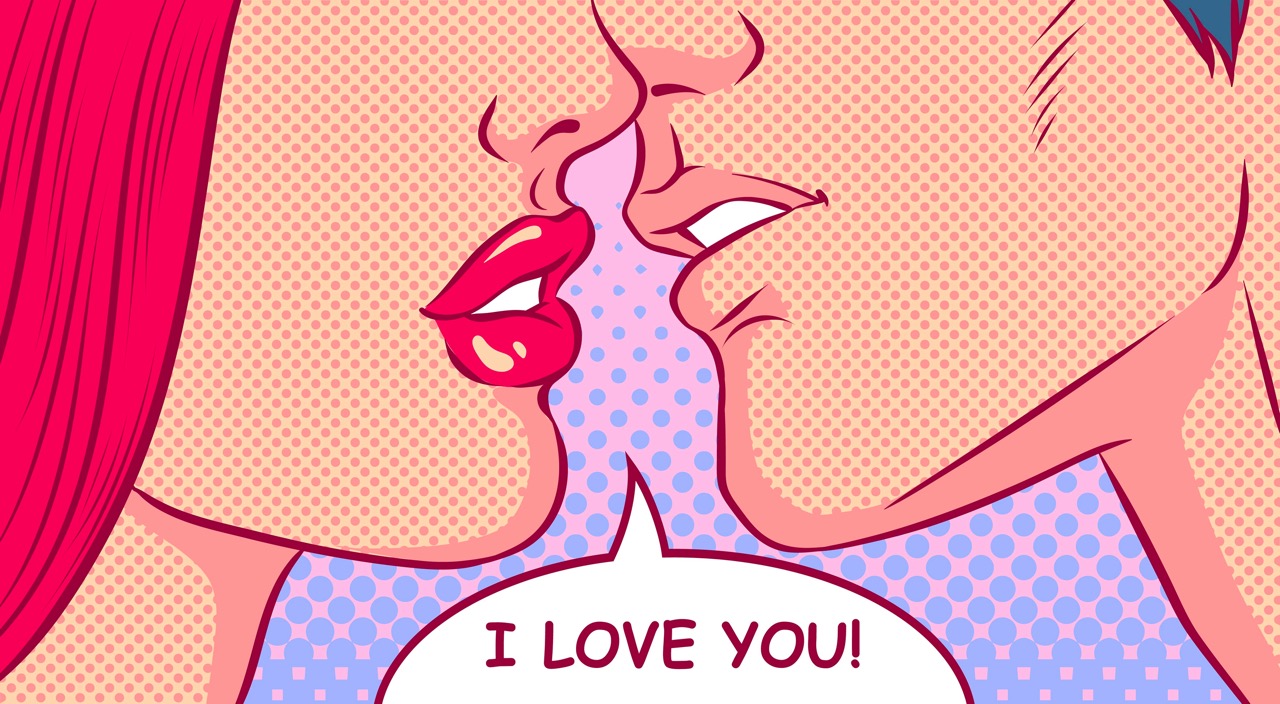
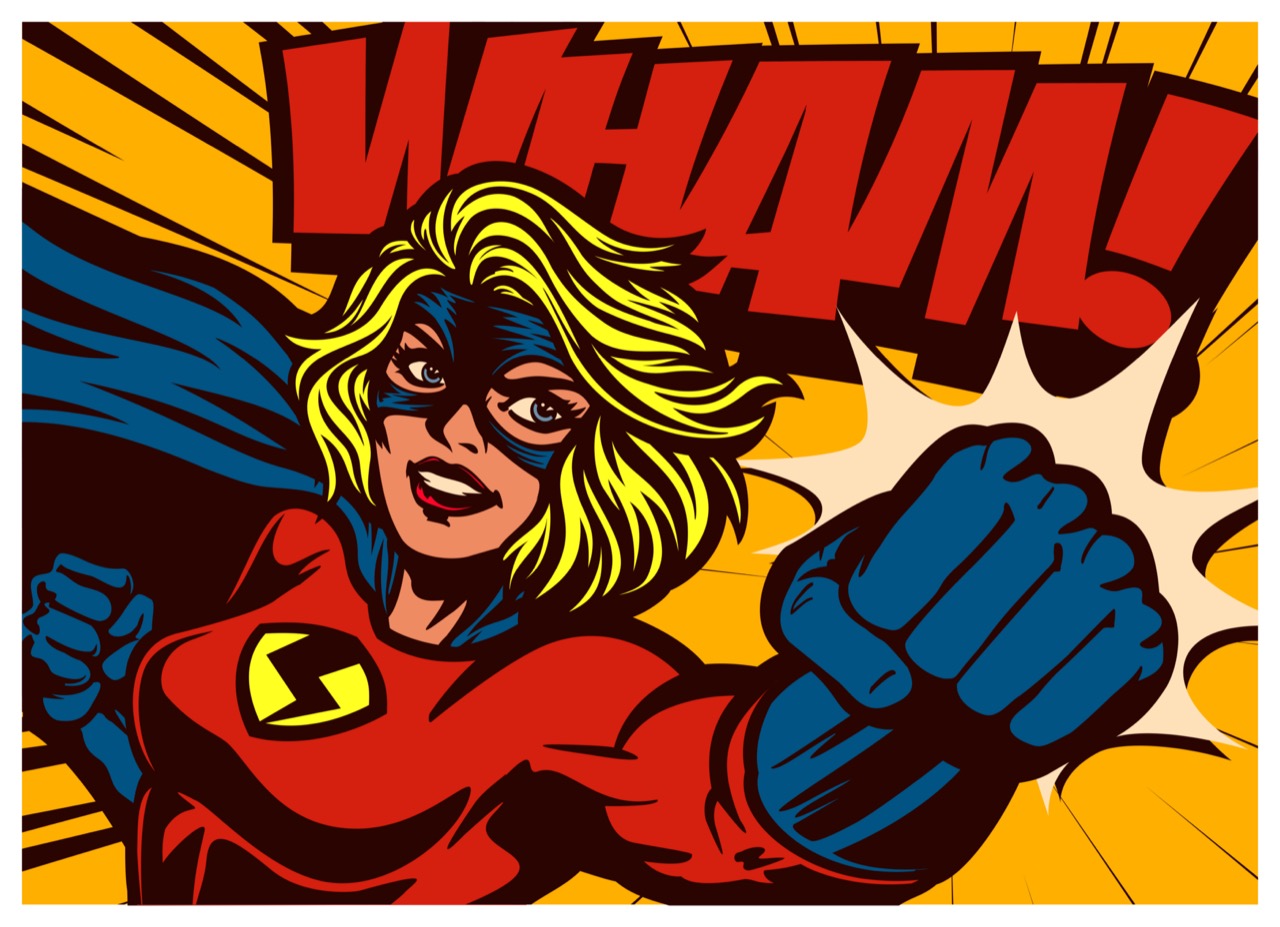
Roy Lichtenstein approached popular imagery through the visual grammar of comic strips, enlarging panels and mimicking commercial printing dots. The result looks instantly familiar yet strangely distant, as if emotion itself has been filtered through mass reproduction. That cool tone is one of Pop’s signatures. It can read as detached, but it often hides sharper questions: How do images teach us what romance looks like, what heroism looks like, what desire looks like?
Pop Art was not only painting. Claes Oldenburg made soft sculptures and oversized versions of everyday objects, turning a hamburger or a household item into something funny, unsettling, and monumental. Tom Wesselmann used bold color and advertising-like clarity to explore the American interior and the idealized body, while James Rosenquist drew on his experience as a billboard painter to create huge, fragmented compositions that feel like walking through a city made of competing messages.
Appropriation is central to Pop, but it is not simply copying. Pop artists reframed existing images so their meaning changed with context, scale, and repetition. That strategy also raises questions that still matter: Who owns an image everyone recognizes? What happens when art borrows from commerce, or when commerce borrows from art? Pop’s fascination with mechanical reproduction anticipated today’s world of endless reposts and remixes, where images travel faster than explanations.
Pop Art can be playful and bright, but it is rarely innocent. By elevating packaging, logos, and celebrity portraits, it exposes how culture manufactures desire and identity. It asks viewers to look at what they already know, then notice how strange it becomes when it is isolated, enlarged, and repeated until it feels like a modern myth.