Spot the Pop Artist Behind the Icon





Quiz Complete!
Spot the Pop Artist Behind the Icon: A Friendly Guide to Pop Art’s Biggest Names and Boldest Ideas

Pop Art is one of those movements that can feel instantly familiar even if you have never set foot in a museum. It speaks in the visual language of billboards, comic strips, product packaging, celebrity photos, and TV screens. What made it radical in the late 1950s and 1960s was not only the subject matter, but the attitude: Pop artists treated everyday images as worthy of serious attention, sometimes celebrating modern life’s shiny surfaces, sometimes poking at them with dry humor.
If you are taking a quiz that asks you to match icons to artists, it helps to know the signatures. Andy Warhol is often the first name people think of, and for good reason. His repeated images of Campbell’s soup cans, Coca Cola bottles, and Marilyn Monroe are not just portraits or still lifes. They mimic the way mass media repeats and flattens experience, turning people and products into the same kind of endlessly reproducible image. Warhol’s embrace of screenprinting mattered: it allowed him to work with photographic sources and produce variations quickly, with misalignments and color shifts that feel both mechanical and strangely human.
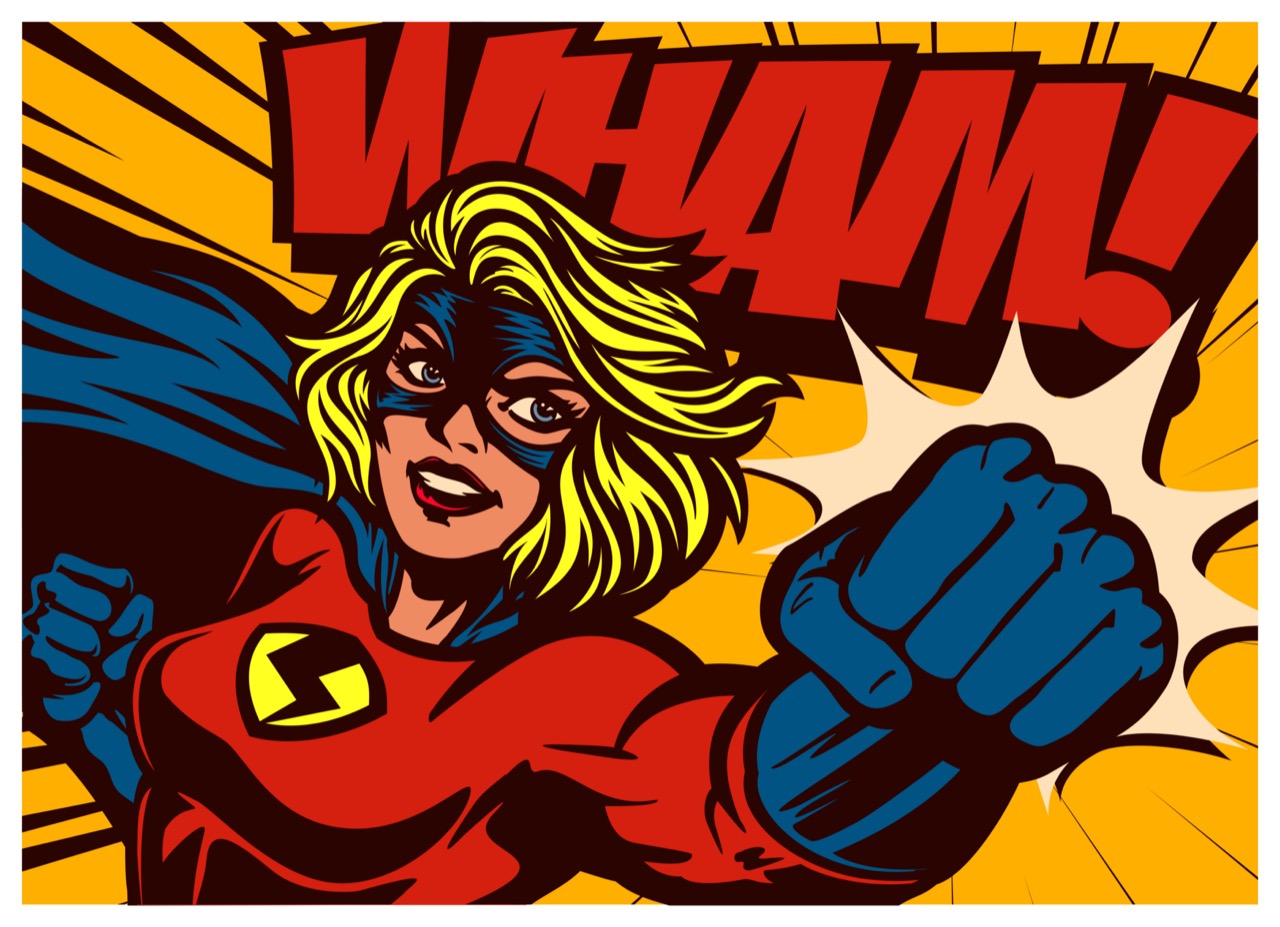
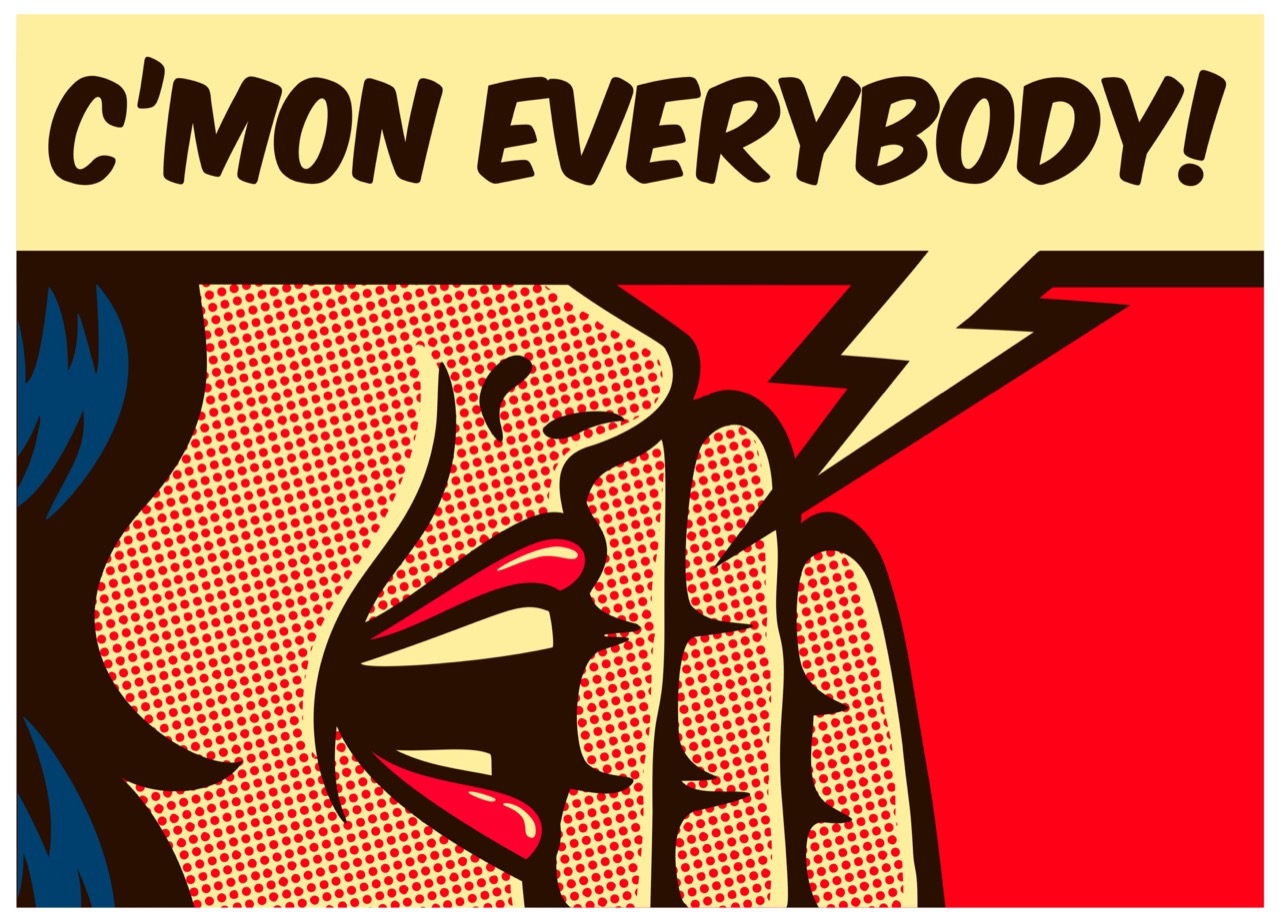
Roy Lichtenstein is the artist behind the comic book look that many people associate with Pop Art. His paintings borrow the drama of romance and war comics, but he enlarged them to a monumental scale and recreated the printing dots known as Ben Day dots. The result is a style that looks industrial and emotionally charged at the same time. Lichtenstein’s work often makes you wonder what changes when a disposable image is remade by hand and placed in a gallery.
Claes Oldenburg took Pop Art into physical space by turning ordinary objects into sculpture. Think of oversized hamburgers, clothespins, and soft, sagging versions of things that are usually hard and functional. By changing scale and materials, he made consumer culture feel both playful and uncanny, as if the familiar world had been remixed in a dream.
Pop Art was never only an American story. In Britain, artists were responding to American advertising and postwar consumer desire from a slightly different angle. Richard Hamilton is frequently credited with defining the term through his collage of a modern living room packed with brand imagery and idealized bodies. Peter Blake brought Pop sensibilities into a more painterly, collage-like celebration of popular culture, and his association with album cover design helped make Pop Art feel inseparable from music and youth culture.
Other essential figures broaden what Pop can mean. James Rosenquist, who once painted billboards, created huge canvases filled with fragmented ads and glossy imagery, like a panoramic view of consumer life moving too fast to fully process. Tom Wesselmann explored bold color and graphic forms in works that mix pinup aesthetics, interiors, and still-life elements, often blurring the line between critique and attraction.
Pop Art also includes voices that were long underrecognized. Pauline Boty, a key British Pop artist, brought a sharper focus on femininity, celebrity, and desire, challenging the male-dominated art world of her time. In the United States, artists like Marisol used assemblage and stylized figures to comment on identity and public image in ways that do not fit neatly into the most famous Pop formulas.
A good way to approach a guessing game is to look for the method as much as the motif. Is the image built from crisp outlines and dots, like commercial printing? That points toward Lichtenstein. Is it a repeated photo with loud, flat color blocks and a screenprinted feel? Warhol is a strong candidate. Is it an everyday object made strange through scale or softness? Oldenburg may be nearby. And if the work feels like a collage of modern life, with brands and bodies arranged like a visual inventory, you might be in Hamilton’s orbit.
Pop Art endures because it mirrors the world we still live in: saturated with images, obsessed with fame, and shaped by products that become symbols. The quiz may ask you to name the artist, but the more interesting game is noticing how each one transformed familiar material into a new way of seeing.